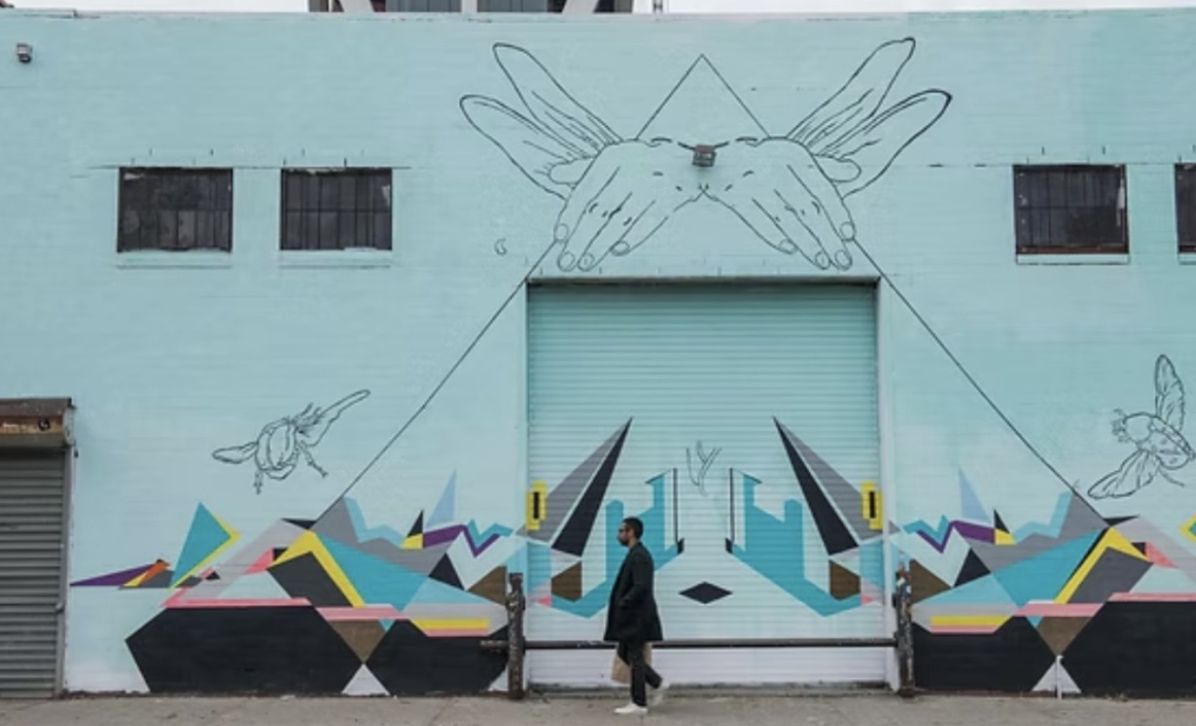

Brooklyn street art has traveled an extraordinary path—from illicit tags scrawled across subway cars to towering murals that define New York City’s visual identity. Once dismissed as mindless vandalism, street art has steadily matured into a dynamic art movement that actively shapes public spaces and commands international acclaim. Today, one of the greatest symbols of this transformation is the Bushwick Collective—Brooklyn’s world-renowned outdoor mural district. In this feature on i-brooklyn.com, we look back at the history and evolution of Brooklyn street art, tracing its journey from gritty underground subculture to global phenomenon.
NYC Street Art: How Brooklyn’s Urban Art Reshaped the Cityscape
City walls often tell stories just as compelling as any museum gallery. Vibrant murals, graffiti, stencil art, and wheatpaste posters are now woven into the urban fabric, elevating street art into a pillar of contemporary art. What was once viewed primarily as property damage or youthful rebellion now captures the imagination of celebrated artists, curators, and scholars of urban culture.
Modern graffiti culture took off across the United States in the late 1960s and 1970s. Artists deliberately bypassed conventional galleries, treating brick walls, wooden fences, and subway cars as ready-made canvases. Spray paint, stencils, stickers, and posters enabled them to broadcast bold visual messages and claim their share of the public sphere.
New York City stood at the very center of this creative explosion, with Brooklyn emerging as a fertile ground where street art found fresh voices and broad reach. Here, graffiti intersected with hip-hop, youth subcultures, and the daily hustle of working-class neighborhoods. Over time, standout pieces evolved into local landmarks, turning entire blocks into vibrant labs for artistic experimentation.
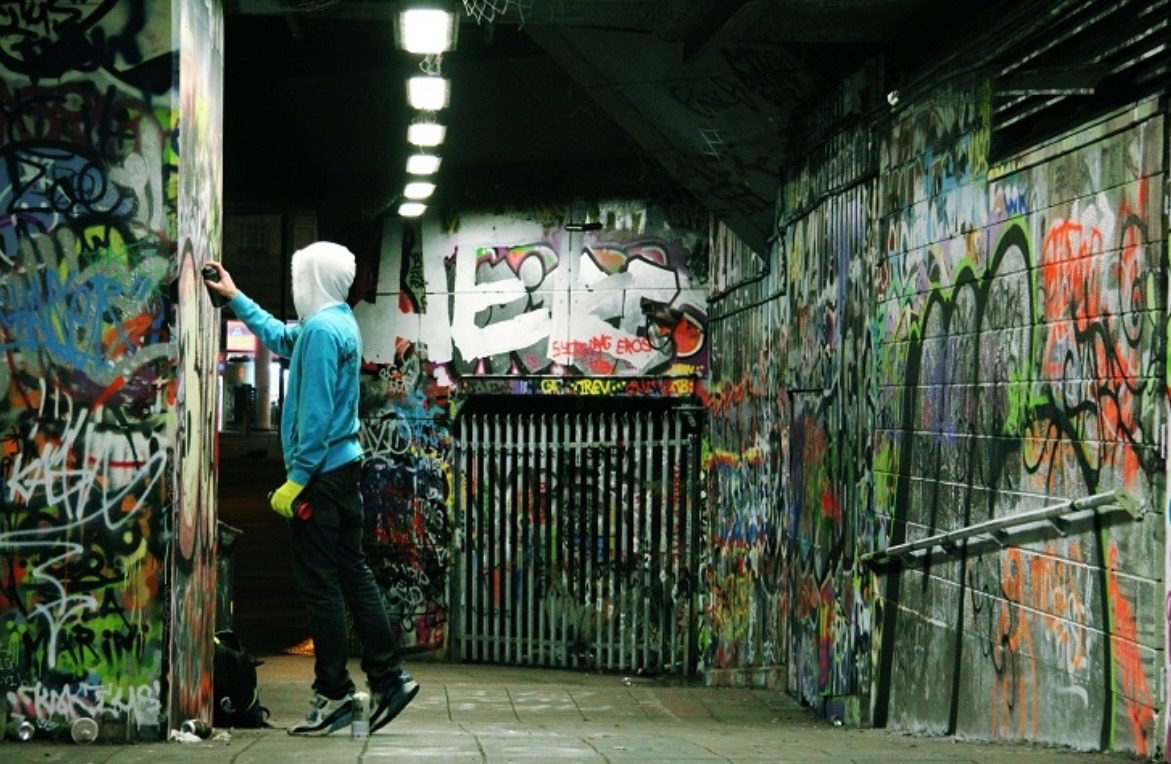
Yet street art has never entirely lost its provocative edge. For many, it breathes life into neglected industrial zones and gives voice to grassroots civic expression. For others, it remains a persistent challenge tied to property defacement and unsanctioned tagging. This ongoing tug-of-war between creative liberty, property rights, and commercialization is precisely what makes the story of Brooklyn street art so compelling.
1970s NYC Subway Graffiti: Early Tags, Bombing, and “Wildstyle”
While contemporary graffiti has roots in 1960s Philadelphia, its epicenter quickly shifted to New York City by 1970–1971, taking hold in neighborhoods like Washington Heights. Early writers, such as TAKI 183 and Tracy 168, popularized unique tags that combined street monikers with their block numbers, covering transit lines from end to end.
The early evolution of street writing moved through three fundamental stages:
- Tags: Fast, stylized personal signatures designed for maximum visibility.
- Bombing: Rapid, widespread placement of tags and throw-ups across high-traffic public spaces.
- Piecing: Elaborate, multi-colored masterworks (“pieces”) showcasing an artist’s technical craft and visual style.
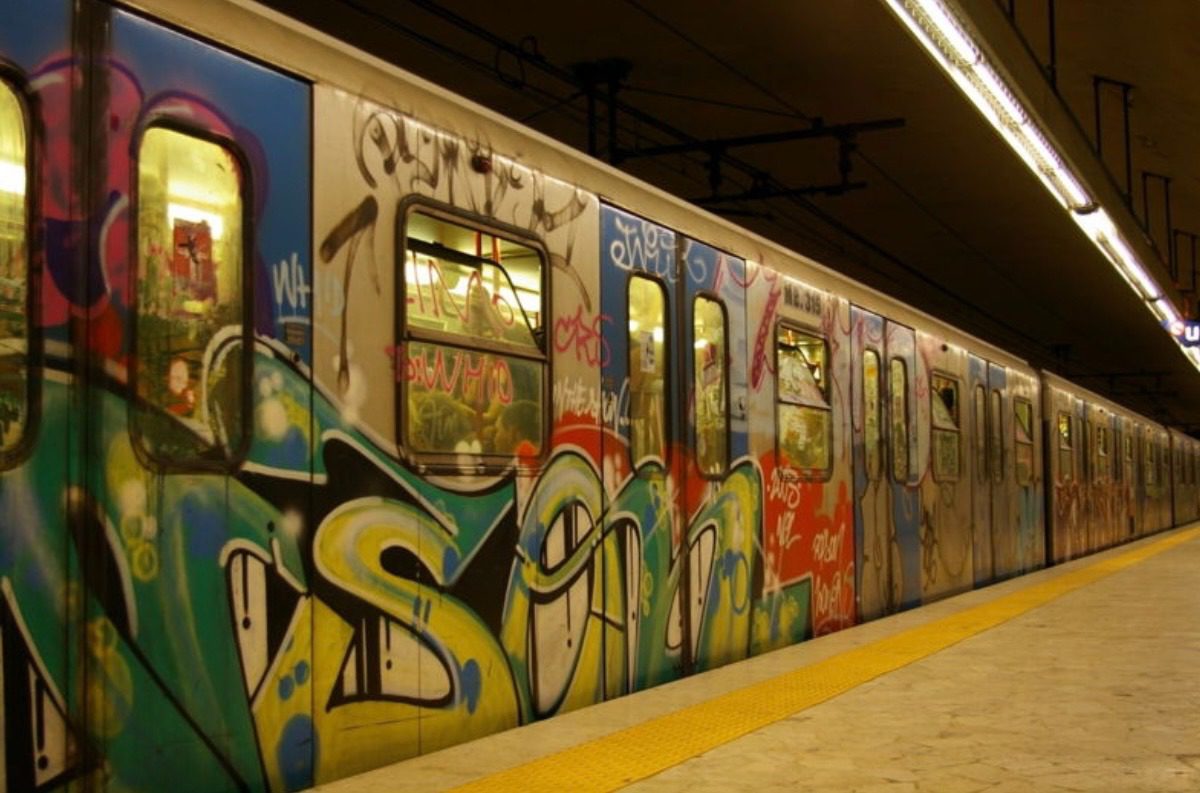
The vast network of the New York City subway system served as the ultimate roving canvas. City Hall, led by Mayor John Lindsay, declared the city’s first official war on graffiti in 1972. However, strapped for municipal funding, authorities struggled for over a decade to curb the movement’s explosive momentum.
Brooklyn’s Graffiti Trailblazers: Fab 5 Freddy, Tracy 168, and THE EX-VANDALS
Brooklyn’s distinctive graffiti aesthetic emerged where underground transit traditions met raw neighborhood life. Pioneering writers from Brooklyn and the Bronx, including Friendly Freddie and Wap, produced whole-car pieces that blanketed entire trains in vivid color.
Legendary crews and visionaries helped define the era:
- Crews like THE EX-VANDALS and THE FABULOUS FIVE pushed typography forward, popularizing complex bubble letters and 3D visual illusions.
- Tracy 168 and his peers pioneered the intricate “Wildstyle,” fusing lettering traditions from Upper Manhattan and Brooklyn in the late 1970s.
- Influential cultural figures such as Fab 5 Freddy bridged the gap between graffiti, rap music, and downtown Manhattan’s high-art scene, catapulting street culture into galleries and mainstream awareness.
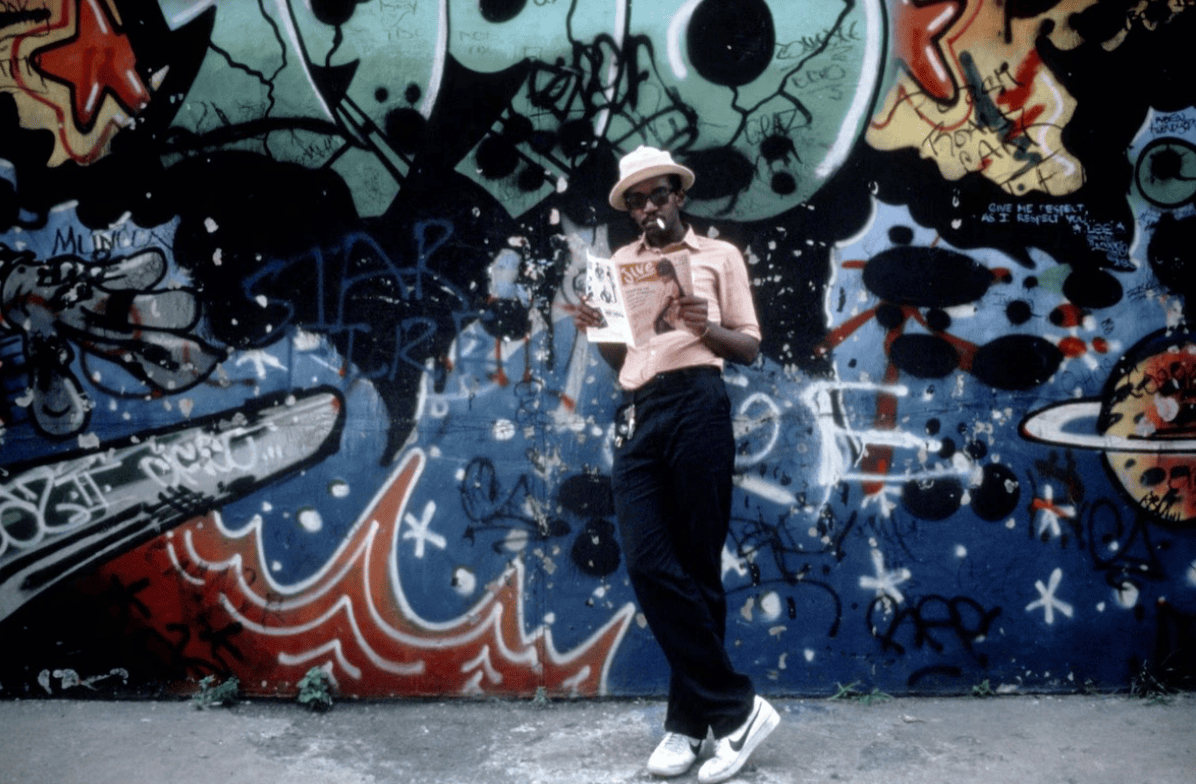
The Crackdown on Graffiti: The Clean Train Movement, Keith Haring, and Basquiat
By the late 1970s and early 1980s, New York’s street scene faced mounting pressure. City officials escalated their anti-graffiti crackdowns, securing subway yards with razor wire and enacting harsher penalties. Amid economic hardship and the crack epidemic, some graffiti groups became entangled with street gangs, turning competition over prime painting spots increasingly dangerous.
The decisive turning point came with the transit authority’s aggressive cleanup initiative, the Clean Train Movement. Throughout the 1980s, the MTA systematically scrubbed cars and locked down train depots. By 1989, painted subway cars had virtually vanished from regular service. Cut off from their moving gallery underground, writers turned to the street—taking over building facades, alleyways, and industrial walls.
This relocation sparked an evolution in artistic technique. Writers broadened their arsenal beyond spray cans to include markers, stencils, wheatpastes, and screen prints. Street art matured past the boundaries of traditional lettering, transforming into a versatile platform for social commentary, satire, and direct engagement with city residents.
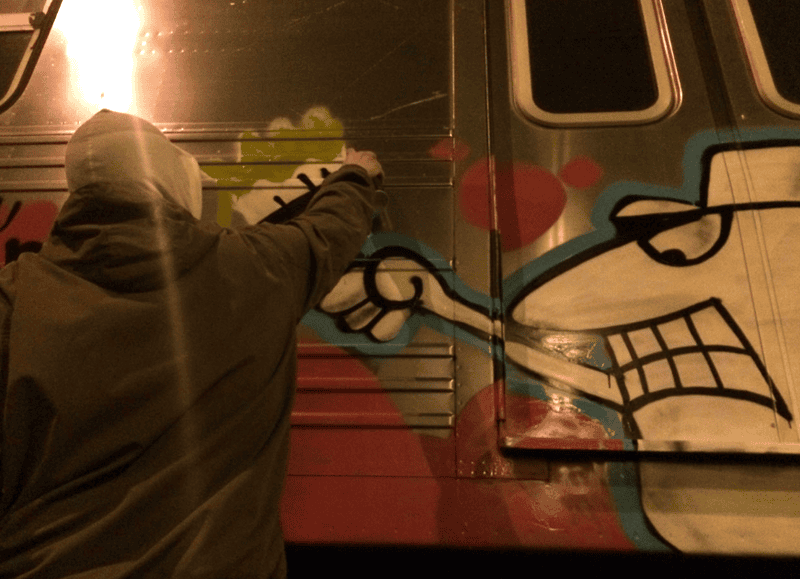
This transition ran parallel to the breakthroughs of boundary-pushing contemporary artists. Keith Haring famously created chalk drawings on blank black advertising boards across subway platforms before moving on to monumental public murals. Jean-Michel Basquiat started out under the moniker SAMO, leaving enigmatic poetic musings across Lower Manhattan before taking the international art world by storm.
Banksy would later carry the torch for the next generation, bursting into global prominence in the late 1990s and early 2000s with poignant stencil works. His rise proves how street art, rooted in gritty subcultural beginnings, grew into a universal visual language for political dissent and cultural wit.
The Bushwick Collective in Brooklyn: Joe Ficalora and “Graffiti City”
In Brooklyn’s Bushwick neighborhood, an everyday walk doubles as a journey through a massive open-air gallery. The brick facades of manufacturing plants, auto garages, and storefronts are covered in striking murals—ranging from vibrant pop characters to intricate surrealist compositions. At the center of this revival stands the Bushwick Collective, founded in 2012 by neighborhood native Joe Ficalora.
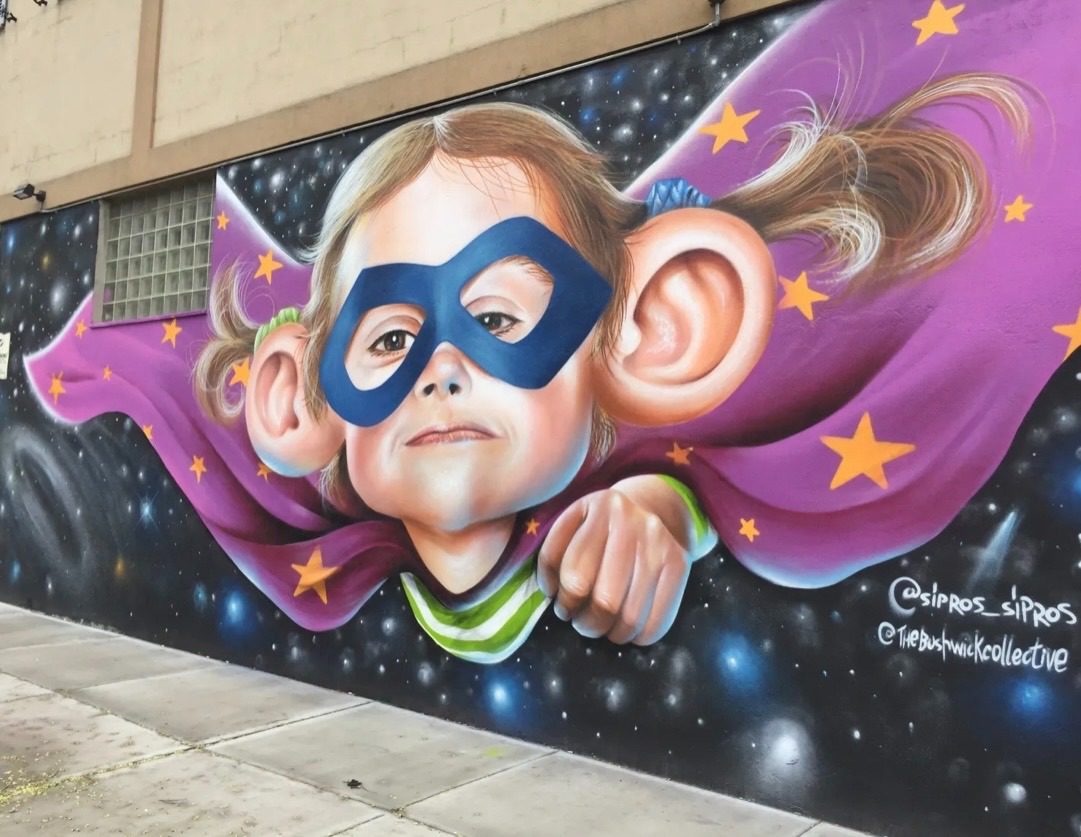
The project was born out of a desire to heal personal grief and transform familiar industrial streets. Ficalora started with his own family’s building, recruiting artists to paint its walls, before striking agreements with neighboring property owners around Troutman Street and St. Nicholas Avenue. What began as scattered paintings gradually grew into an expansive arts hub where creators can work legally, and the public can view world-class art free of charge.
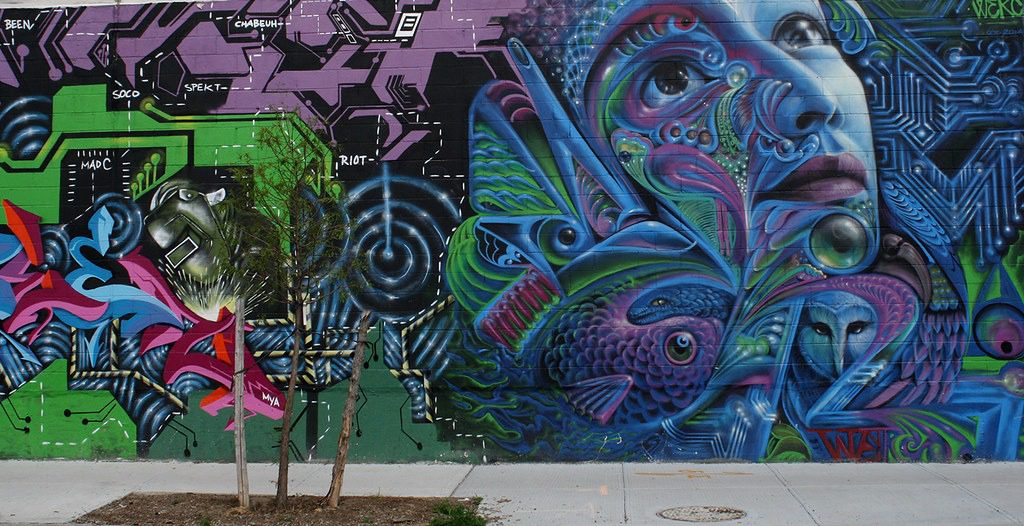
The Bushwick Collective is by no means a static exhibition. Murals are continuously painted over and refreshed, offering space to emerging local voices alongside internationally renowned names. This constant reinvention gives the district its electric energy: return months later, and you are bound to discover fresh concepts, techniques, and aesthetic visions. The project has hosted top-tier talent from across the street art world, including Buff Monster, Phlegm, Blek le Rat, and Olek.
Visitors typically start exploring near the corner of Troutman Street and St. Nicholas Avenue, wandering into nearby blocks where nearly every wall features a masterpiece. Thanks to the Bushwick Collective, Bushwick has turned into a global destination for urban art enthusiasts, frequently dubbed Graffiti City. Beyond its tourist draw, the collective demonstrates how collaboration between artists and property owners can revitalize urban spaces, turning blank concrete into a catalyst for community dialogue.
Commercialization and Mainstream Recognition of Street Art
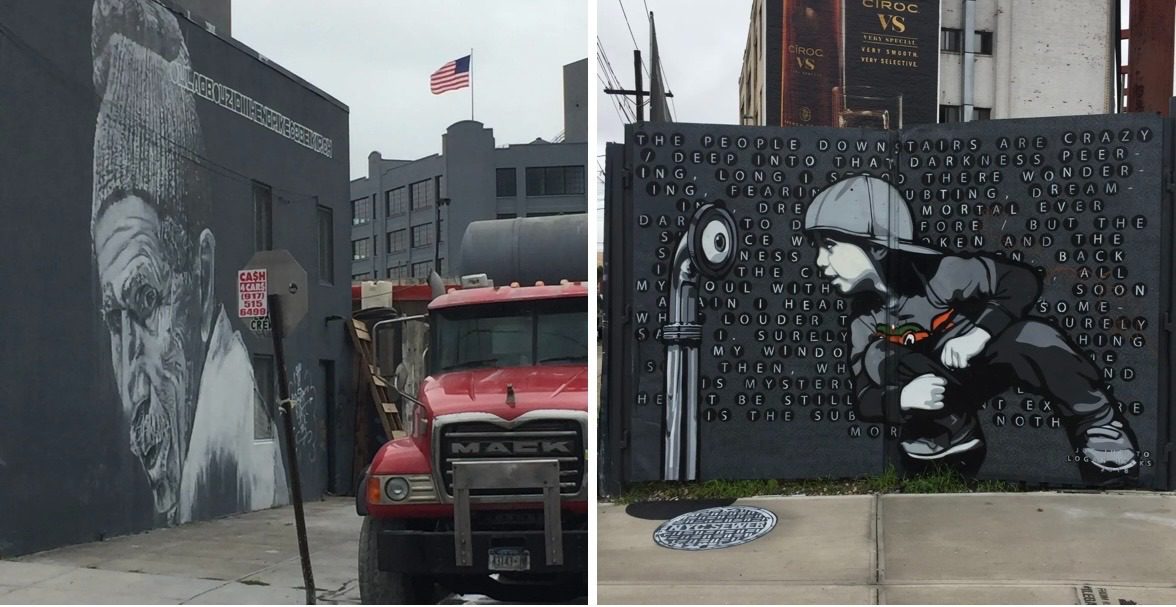
Murals draw attention to neighborhood histories, systemic inequality, human rights, political divides, and the climate crisis. They bring art within reach of people who rarely visit museums, transforming routine daily commutes into thoughtful cultural encounters.
At the same time, the transition of street art into white-cube galleries and commercial campaigns has sparked debate. Brand sponsorships, mural festivals, and art auctions provide creators with sustainable income and massive exposure. Yet when murals double as marketing tools for real estate developers or neighborhood branding, critics question whether the medium risks losing its subversive bite under corporate patronship.
For modern Brooklyn, this dilemma is especially palpable. While street art fuels cultural capital, skyrocketing popularity often accelerates gentrification, contributing to rising rents and the displacement of longtime communities. Mainstream recognition has not stripped street art of its edge; rather, its history continues to unfold along the complex boundary where creative freedom, social critique, and commercial forces meet.
The story of Brooklyn street art is a powerful study in how an outlaw subculture can blossom into a global creative movement. From hurried tags scrawled across midnight trains to the soaring, sanctioned murals of the Bushwick Collective, Brooklyn street art has indelibly altered how we experience the modern metropolis. By balancing commercial viability with authentic grit, street art remains a vital public voice that continues to inspire new generations of creators worldwide.