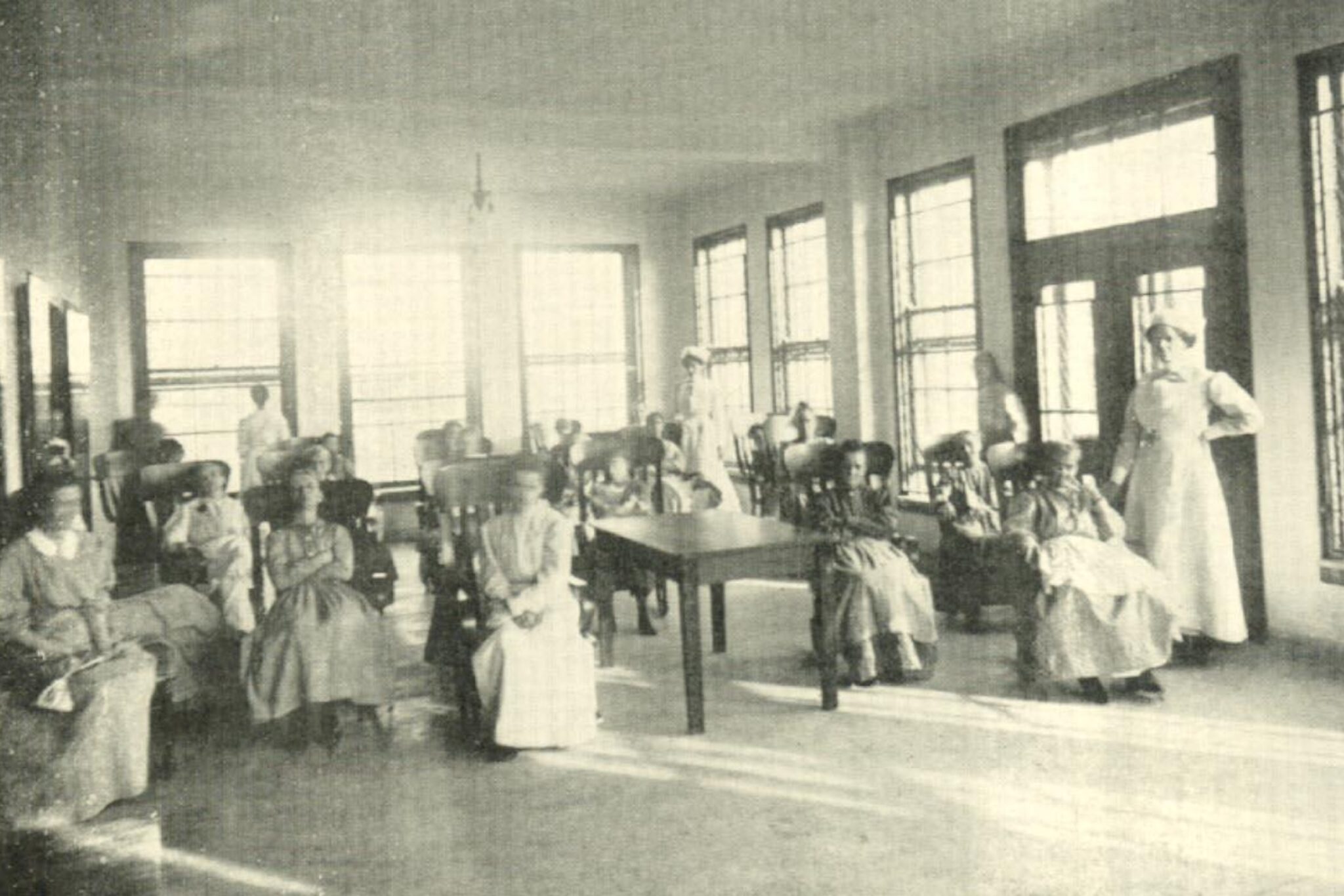

If, when dreaming of a health resort, someone imagines luxurious suites somewhere in the Alpine meadows—with fresh air scented with pine, and patients in white robes leisurely recovering under a blanket with a view of a blue lake—then Brooklyn quickly forces you to revise that image. Because classic sanatoriums in the European sense have, in essence, never existed here.
The reality, however, was far more prosaic and at the same time harsher: tuberculosis—or, as they said back then, “consumption”—was a disease that spared no one, regardless of age, background, or social status. And it was precisely for this disease that the city system was forced to build its “sanatoriums”—not resort facilities, but rather specialized wards and buildings attached to hospitals, where they tried to give patients a chance, if not at a full recovery, then at least decent living conditions.
One such place was the Brooklyn Home for Consumptives—an institution whose name sounds almost romantic but which was in fact part of the city’s broader struggle against disease and poverty. You can read more about it at i-brooklyn.com, but the main point here is something else: this is not a story about a resort but a story about how the city learned to live alongside a disease it had long been unable to control.
A sentence that drags on
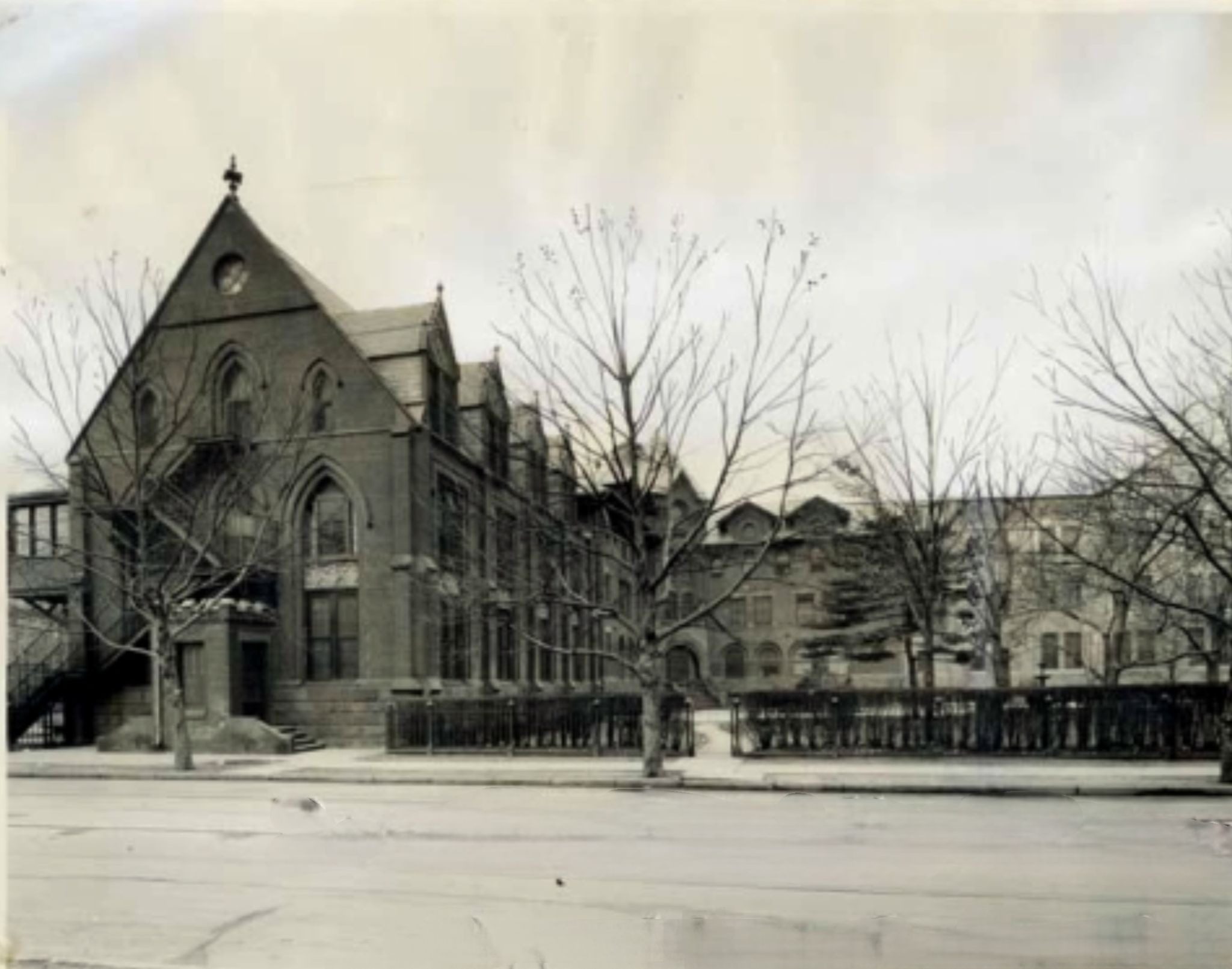
In the 19th century, tuberculosis was not merely a disease—it was a death sentence stretched out over time. It was called “consumption,” and this name captured its essence quite accurately: a person slowly wasted away, losing strength, weight, and ultimately—their life. The infection was transmitted through airborne droplets, but in an era when people were only beginning to suspect the existence of bacteria, this made little difference. In densely populated neighborhoods, damp houses, and working-class districts, tuberculosis spread rapidly and almost uncontrollably.
In New York at the end of the 19th century, this disease remained one of the leading causes of death. According to estimates by historians, in some years it claimed as many as one in ten lives, and in the major cities of the time, the mortality rate from “consumption” ranged between 10% and 15%. In Brooklyn, the situation was no better: the neighborhood was growing rapidly, taking in waves of immigrants, and with them came overcrowding, unsanitary conditions, and disease. In the poorer parts of the city, mortality from “consumption” could exceed the average rates.
The problem was simple yet stark: they simply did not know how to treat tuberculosis. Antibiotics would not appear until the mid-20th century, and back then, doctors could offer little more than fresh air, rest, a high-calorie diet, and a change of climate. Sometimes they used inhalation therapy, “therapeutic” walks, or prolonged stays in the open air—methods that offered more hope than results.
It was against this backdrop that the idea of sanatorium treatment emerged—not so much as an attempt to cure patients, but rather to isolate them, alleviate their condition, and at least partially halt the spread of infection. In New York, such institutions rarely had anything in common with resorts: they functioned as specialized hospitals with strict regimes. One such “sanatorium” was the Brooklyn Home for Consumptives—a place that was meant to offer hope where medicine could not yet guarantee anything.
Treatment or isolation
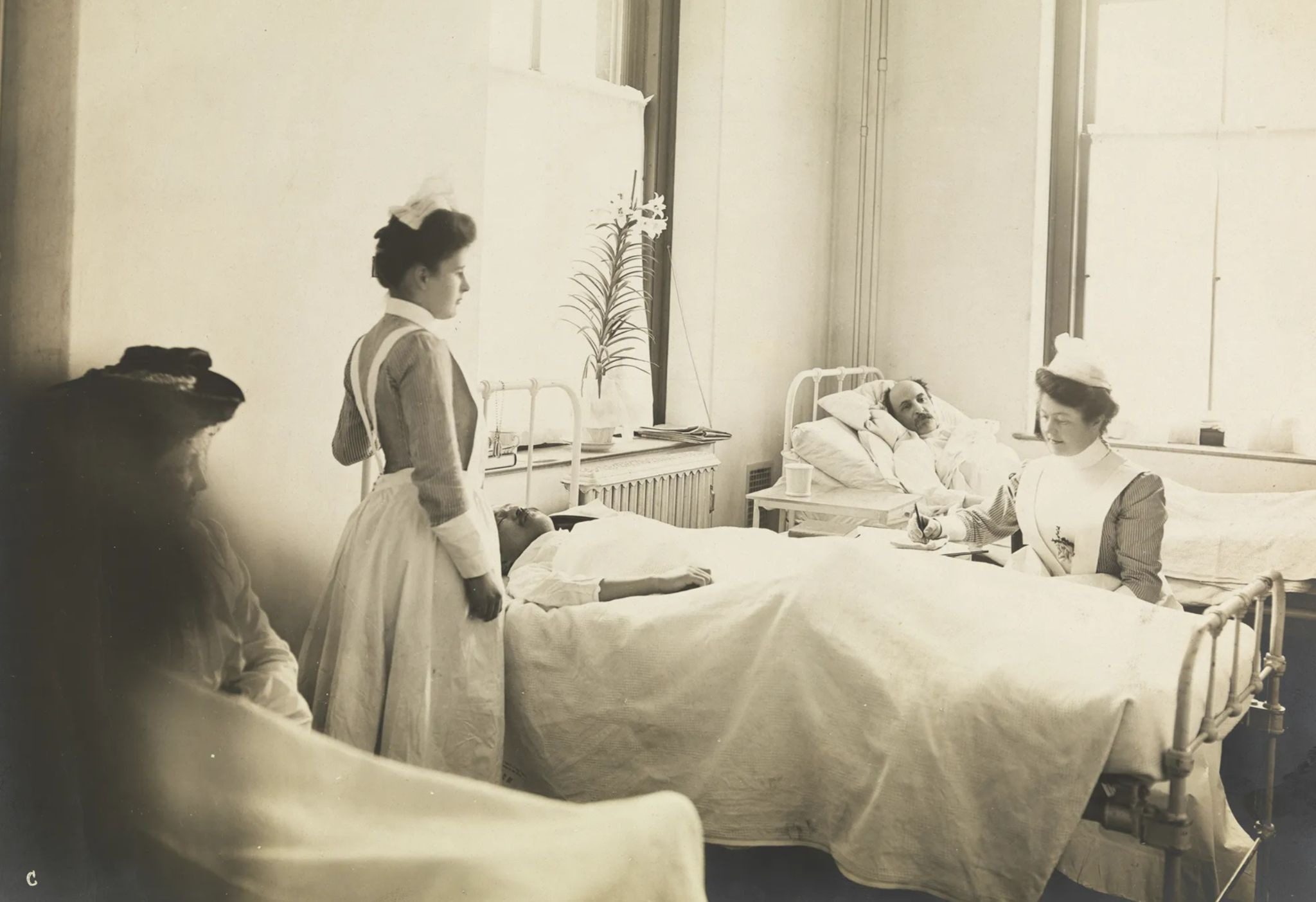
The idea of establishing institutions like the Brooklyn Home for Consumptives did not arise suddenly—it was the city’s response to a crisis that could no longer be ignored. In the second half of the 19th century, tuberculosis claimed thousands of lives. It then became obvious that the sick needed not only treatment, but also isolation.
Opened in the 1880s, the Brooklyn Home for Consumptives was one of the city’s first systematic attempts to respond to an epidemic that was already claiming thousands of lives at the time.
The initiative to establish such institutions usually came not so much from the government as from philanthropists, doctors, and urban reformers. Funding was mixed: some of the funds came from private donors, and some from the city budget. This was a typical model for that time—when a social problem had already become apparent, but a fully-fledged state healthcare system did not yet exist.
Doctors, nurses, and support staff worked here, operating, in essence, under limited conditions. Their tools were simple: a structured regimen, proper nutrition, fresh air, and close monitoring. The patients were mainly people from poorer segments of the population—those who could not afford “climate therapy” somewhere in the mountains or on the coast.
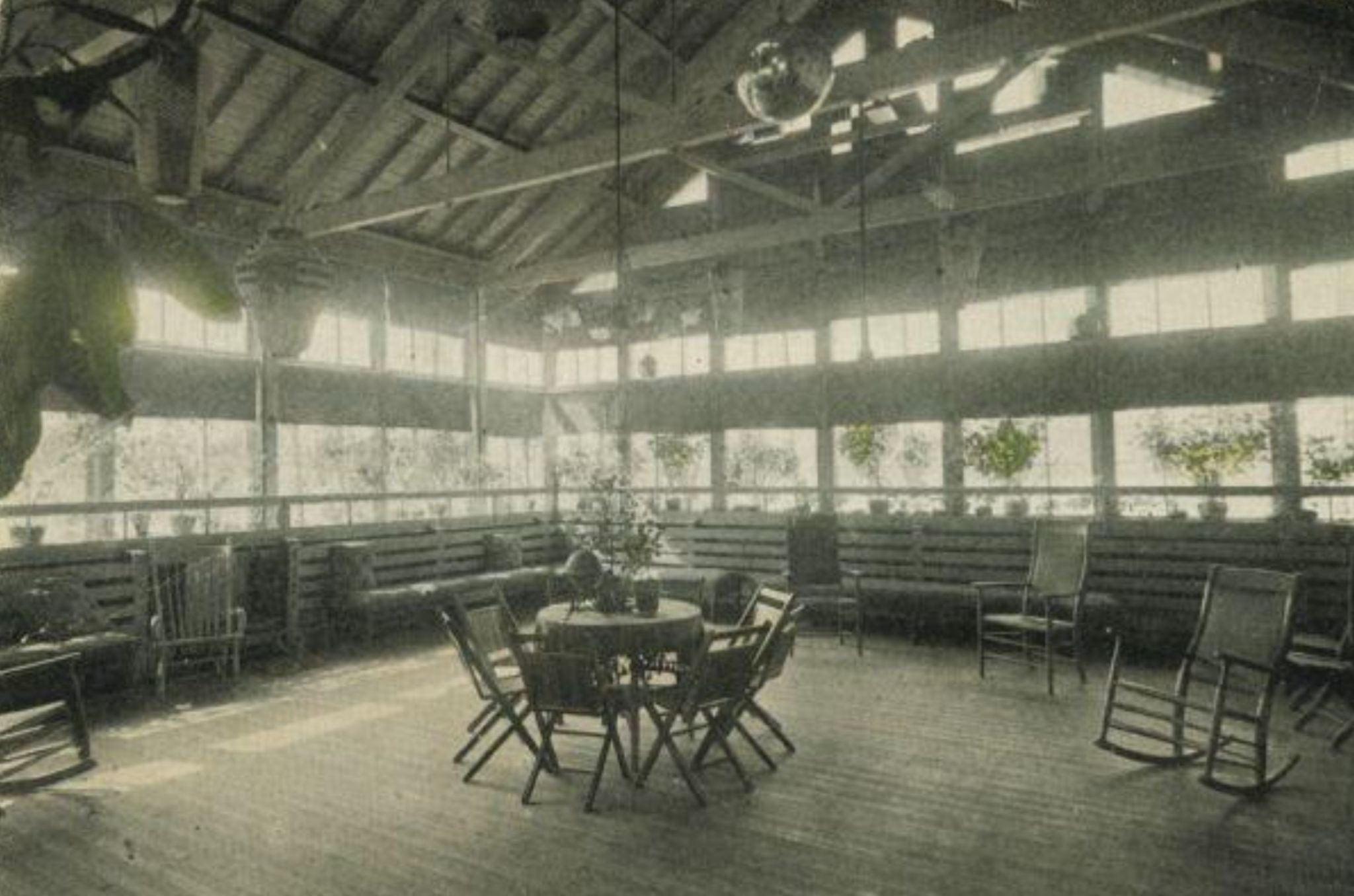
Daily life in such institutions was monotonous and strictly regimented. Patients spent a great deal of time outdoors—it was believed that this helped keep the disease at bay. They rested, read, and sometimes performed light work.
We know almost nothing about most patients at the Brooklyn Home for Consumptives—neither their names nor their stories. They left behind no diaries or memoirs. But the very structure of the institution speaks volumes about them: these were people who had fallen out of urban life long before their deaths. Those who could no longer be treated at home, and to whom the city could offer only a regimen, fresh air, and time—sometimes a few months, sometimes years.
Did people recover here? Sometimes, yes, but more often than not, it was a matter of stabilizing their condition. For many, this wasn’t a place to return to a full life, but rather an opportunity to buy some time. And at the same time, it was a chance to avoid being left alone with their illness.
However, when comparing the Brooklyn Home for Consumptives to European sanatoriums of the time, the difference is almost like that between a postcard and everyday life. While somewhere in Switzerland patients strolled along Alpine slopes, breathed in the mountain air, and read novels under a blanket, in Brooklyn, a “sanatorium” meant, above all, a bed, a regimen, and an attempt to keep the disease under control within the confines of a big city.
European health resorts promoted the idea of recovery, while the one in Brooklyn offered more of a respite. And while the former could be imagined as a long vacation with a medical focus, the latter served as a reminder that an industrial city of the late 19th century left little room for ideal recovery scenarios.
Reorganization, Integration, and Decline
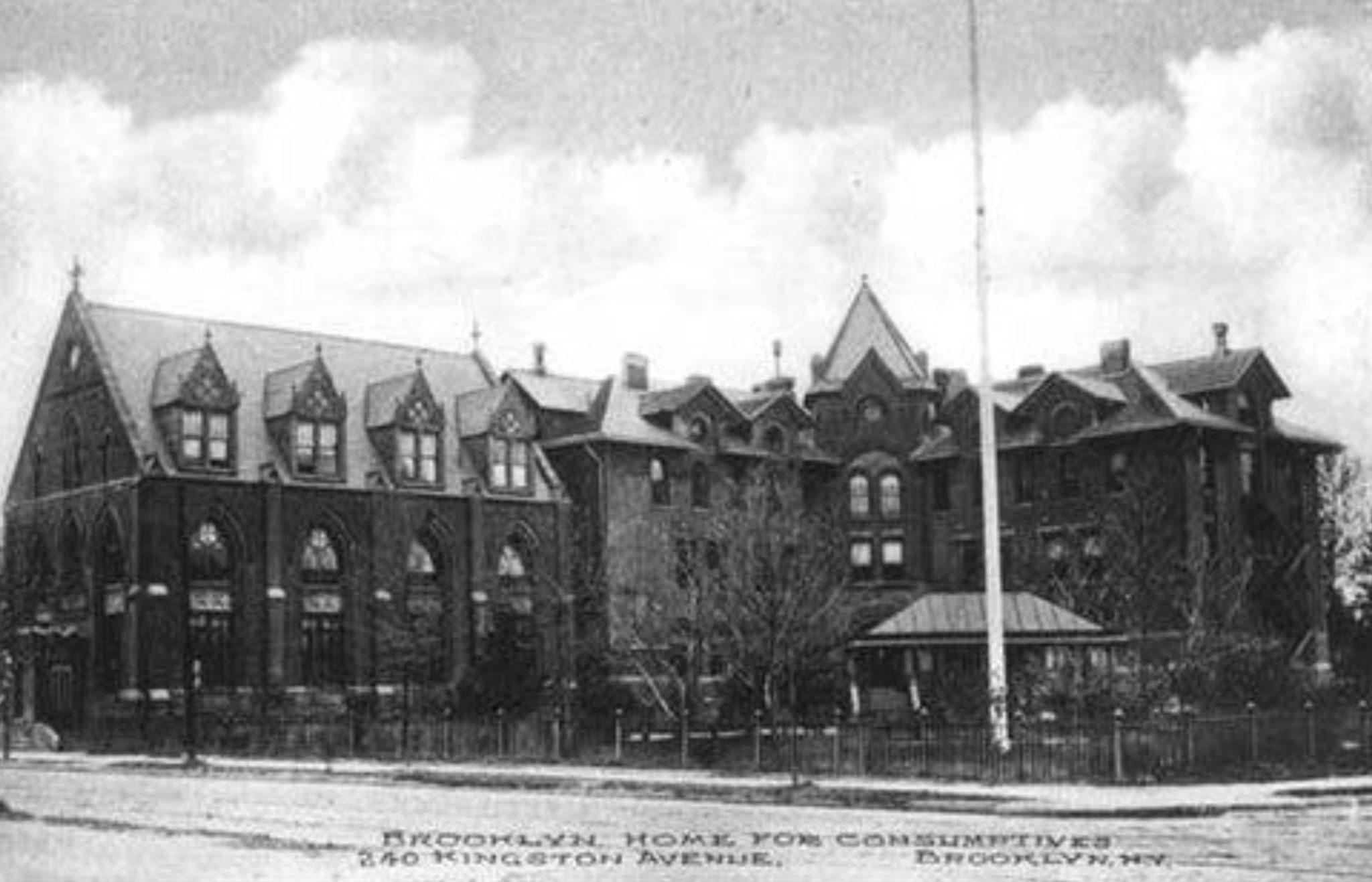
Like many similar institutions, the Brooklyn Home for Consumptives did not survive the changes brought about by the 20th century. With the advent of more effective treatments, and later antibiotics, the need for isolation “sanatoriums” began to fade. Tuberculosis gradually lost its status as an incurable sentence, and with it, the very logic of medical care changed.
The facility underwent several reorganizations, being integrated into the broader municipal healthcare system, until it finally lost its original purpose. Without any dramatic finales or symbolic farewells—it was simply another institution that had become obsolete.
Today, almost nothing remains of him in the public consciousness. No tourist routes, no commemorative plaques. Only references in the archives and the general history of a city that once learned to fight disease with no guarantee of success.
A Story of Opportunity
In today’s world, tuberculosis no longer seems like the death sentence it was half a century ago. Humanity has learned to diagnose it, control it, and, in most cases, treat it. The disease has not disappeared entirely, but it has lost the scale and the hopelessness that once defined the lives of entire cities.
Institutions like the Brooklyn Home for Consumptives could hardly boast of any spectacular victories, but they were part of this struggle. Today, they are hardly ever mentioned. But perhaps it is thanks to places like these that tuberculosis ceased to be a hopeless case—and became simply a disease that can be managed.
Sources:
- https://www.nytimes.com/1890/02/25/archives/the-record-of-a-year-brooklyns-home-for-consumptives-annual-report.html
- https://thebrooklynhalloffame.com/brooklyn-closed-hospitals/
- https://www.brownstoner.com/history/past-and-present-the-brooklyn-home-for-consumptives/
- https://findingaids.library.nyu.edu/cbh/arms_1985_099_home_for_consumptives/