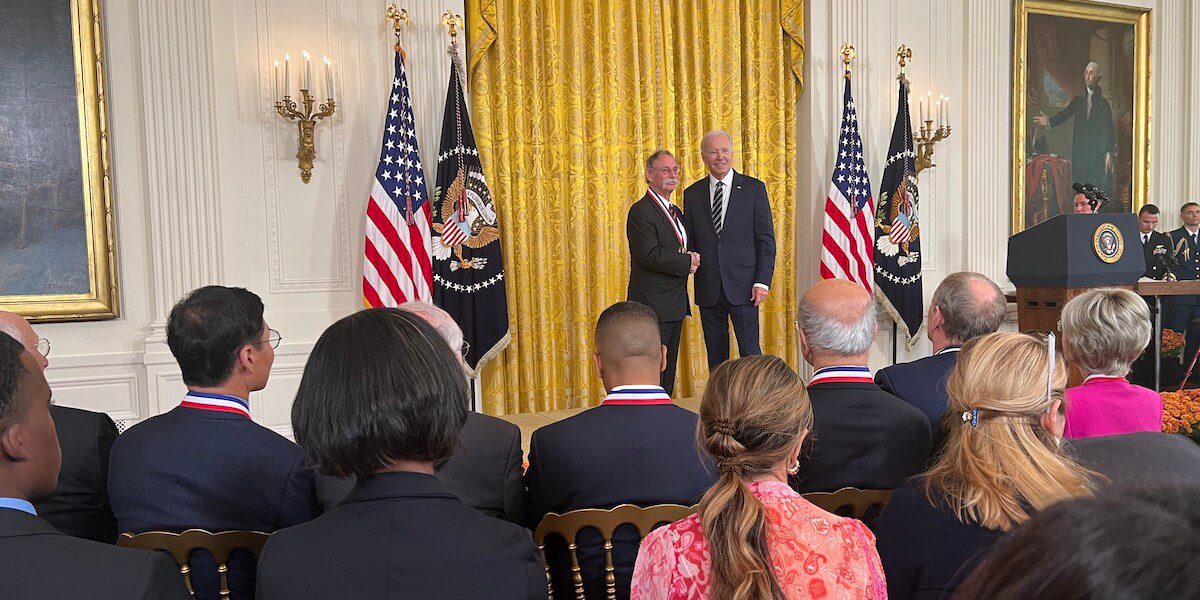

A Brooklyn-born computer scientist, systems engineer, and innovator, Neal Gilbert Siegel is known for his groundbreaking work in military technology. His contributions include:
- The first unmanned aerial vehicle (UAV) for the U.S. Army
- The Blue-Force tracking system
- Advanced military automotive systems
- U.S. Army forward-area air defense systems
Many of Siegel’s military innovations later found their way into civilian applications, including GPS-enabled mobile devices and smartphones.
Learn more about his legacy on i-brooklyn.
Early Life and Education
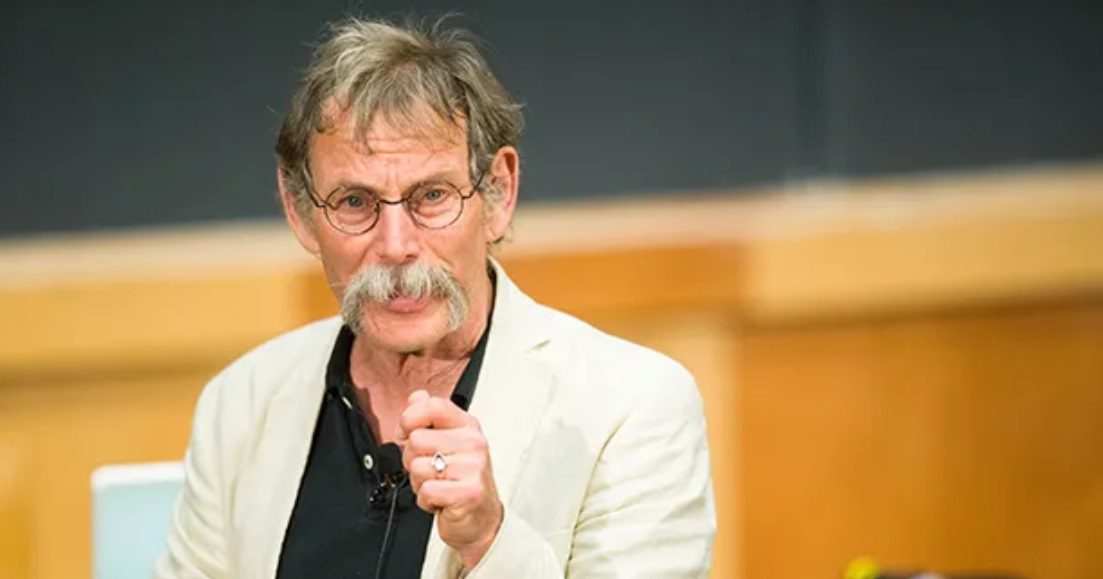
Neal Gilbert Siegel was born in February 1954 in Brooklyn, New York, to Bernard Siegel and Judith Love Cohen. He spent most of his life in Southern California, where he grew up with his siblings, Howard and Rachel, and his half-brother, actor Jack Black.
Siegel pursued a degree in mathematics at the University of Southern California (USC). Before launching his career in engineering, he worked as a professional musician, playing the flute and performing folk music from the Balkans and the Middle East.
Later, he earned his PhD in Computer Science, studying under the renowned computer scientist Barry Boehm.
Career at TRW and Northrop Grumman
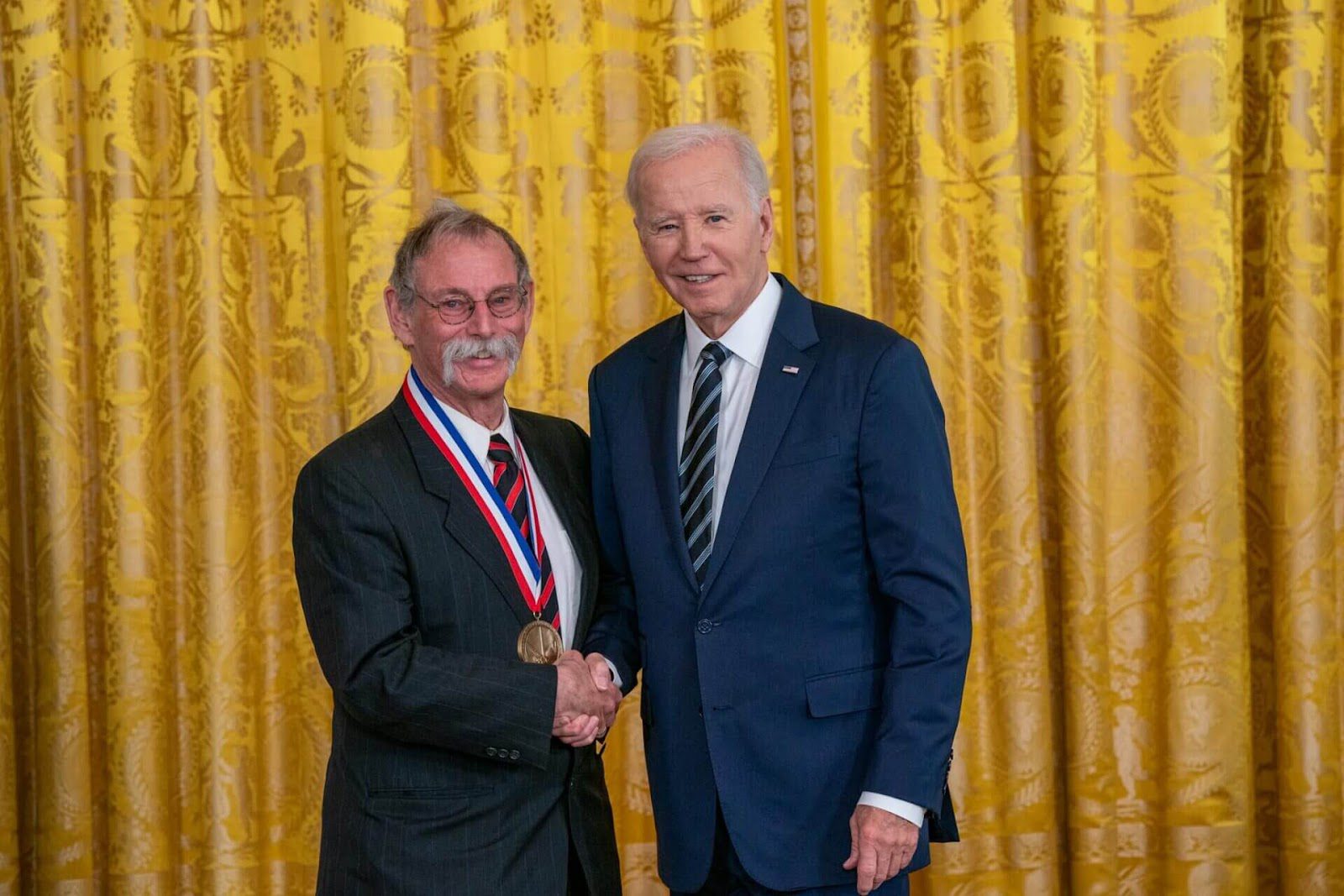
In 1976, Siegel joined TRW, a major aerospace and defense contractor. (In 2002, TRW was acquired by Northrop Grumman.)
By 1993, Siegel led a division within TRW, responsible for developing cutting-edge automation systems for:
- The U.S. Army
- The U.S. Air Force
- The steel industry
- The film industry
His focus was on creating automated decision-support systems for complex, high-pressure environments.
Contributions to the U.S. Military
Siegel’s team played a key role in modernizing the U.S. Army’s battlefield capabilities.
Breakthrough Military Technologies
- 1993 – His team deployed the Army’s first fully automated command and control system, which remains in use today.
- 1995 – He led the development of Force XXI Battle Command Brigade, the first “digital battlefield” system for the U.S. Army. This project significantly enhanced real-time military decision-making.
- 1995 – His team introduced the first automated command post for the U.S. Army, setting new standards for tactical command operations.
Development of the First U.S. Army Drone
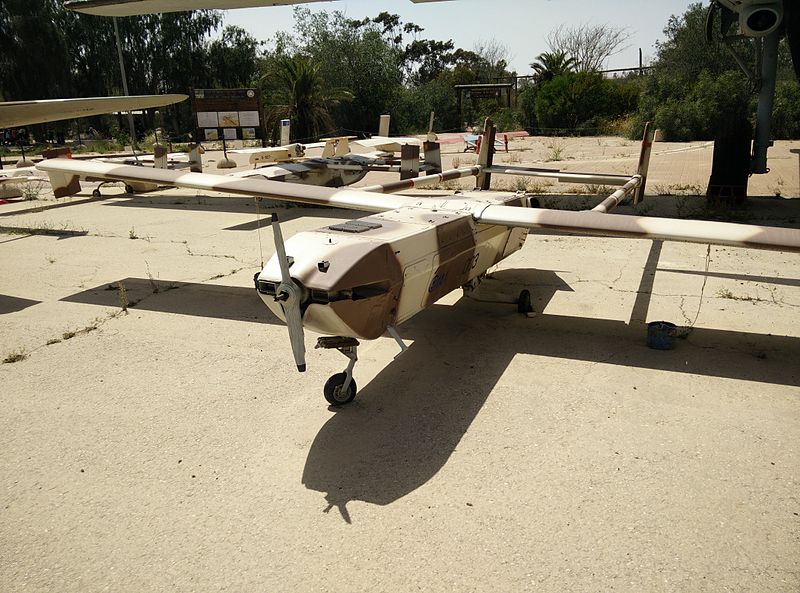
By 1997, Siegel was tasked with reviving the struggling Hunter UAV program, which had experienced multiple failures and was on the verge of cancellation.
His leadership transformed Hunter into one of the most reliable UAVs in the U.S. military.
- 1999 – Hunter drones were deployed in the Balkans, marking a milestone in UAV warfare.
- 2015 – UAVs had become an essential part of modern military and civilian applications, demonstrating Siegel’s long-term impact on drone technology.
Retirement and Legacy
After 18 years as Vice President and Chief Engineer at Northrop Grumman, Siegel retired in 2015.
His legacy includes:
- The widespread deployment of GPS-enabled tracking systems, such as Blue-Force Tracking, which enhances battlefield situational awareness.
- New software development methodologies, improving large-scale engineering projects.
Neal Gilbert Siegel’s work bridged military and civilian technology, ensuring his innovations continue to shape modern computing, navigation, and defense systems.