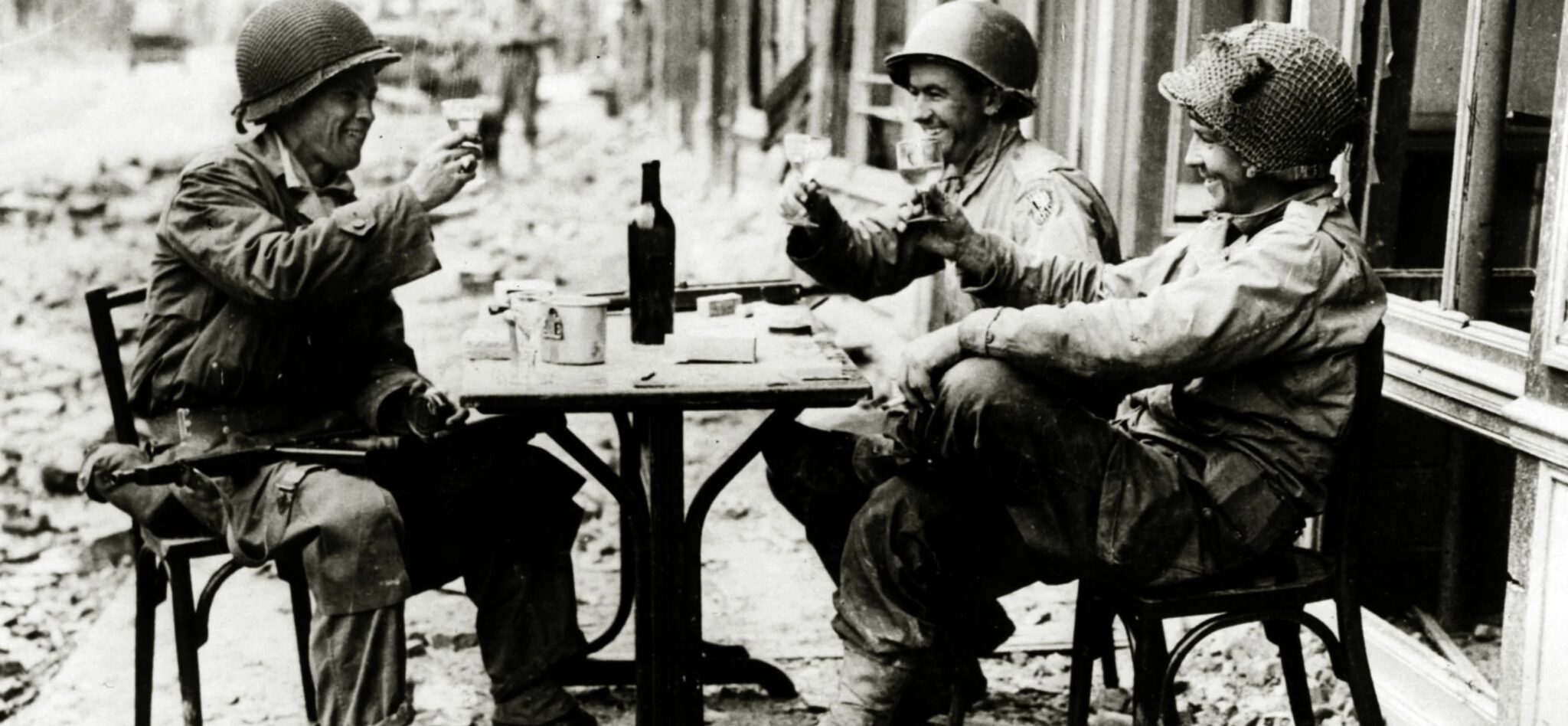

It is hard to imagine that any war can take place without soldiers drinking alcohol. Alcohol is a constant companion of military conflicts, just like coffee, by the way. Moreover, drinking alcohol in war has become a good tradition. Take the British sailors, for example, who didn’t mind a little rum. This tradition is more than a hundred years old. By the way, it was abolished only in July 1970.
Similarly, wine was the main alcoholic beverage for French soldiers. But American soldiers during World War II drank light beer, which was part of their diet. In the United States, the war actually saved the beer industry. In general, alcohol, of course, in moderate doses, helps relieve stress and supports morale during combat operations. Everyone knows this. But read more at i-brooklyn.com.
Prohibition – a harbinger of the First World War
In May 1918, the foundation was laid for the construction of the Brooklyn Army Terminal. It was a colossal warehouse, and at the same time a transportation hub, designed to deliver American troops and supplies to the fields of Flanders. The First World War ended before the construction of this grandiose complex was completed. But no matter, another use was found for it. The terminal was at the forefront of the fight against another enemy – alcohol.
Prohibition came into force in mid-January 1920. By the way, the First World War was a major catalyst for this decision. Prohibitionists, i.e., those who were categorically against the sale of alcohol, had been advocating for such a law for decades and had not been able to achieve their goal.
But the war gave them a tool of great power to gain political support for their cause. These people portrayed alcohol as a vice that undermined American strength and wasted American food. Any alcoholic beverages were compared to America’s deadly foreign enemies.
It is an eloquent fact that the new “dry” laws were passed as soon as America entered the war in April 1917. In the same month, New York City introduced a new rule for drinking establishments, which required them to close at one in the morning. Later, Congress passed the so-called “war prohibition,” which prohibited the use of food crops for alcohol production.
Who benefits from Prohibition and who benefits from illegal profits
But not all residents of New York, and Brooklyn, were delighted with the government’s decision. Some people, and there were a lot of them, wanted to drink their pint of beer or a shot of whiskey, and it was very difficult, if not impossible, to stop them. In those days, there were about 32,000 underground bars in New York City.
Moreover, a few miles off the coast was the so-called Rum Line. It was a group of old ships anchored in international waters. It was from these ships that smuggled alcohol was transported to the shore to those very thirsty alcohol connoisseurs. But sometimes the police seized the contraband, and something had to be done with it. This is where the Brooklyn Army Terminal came in handy, as all the military had demobilized by then.
Although law enforcement never occupied more than 50,000 square feet of the Army Terminal, it is known that they would have had no problem filling the four million square feet of space in the two main buildings of the complex. It is estimated that at any random point in time, about $20 million worth of contraband was stored there.
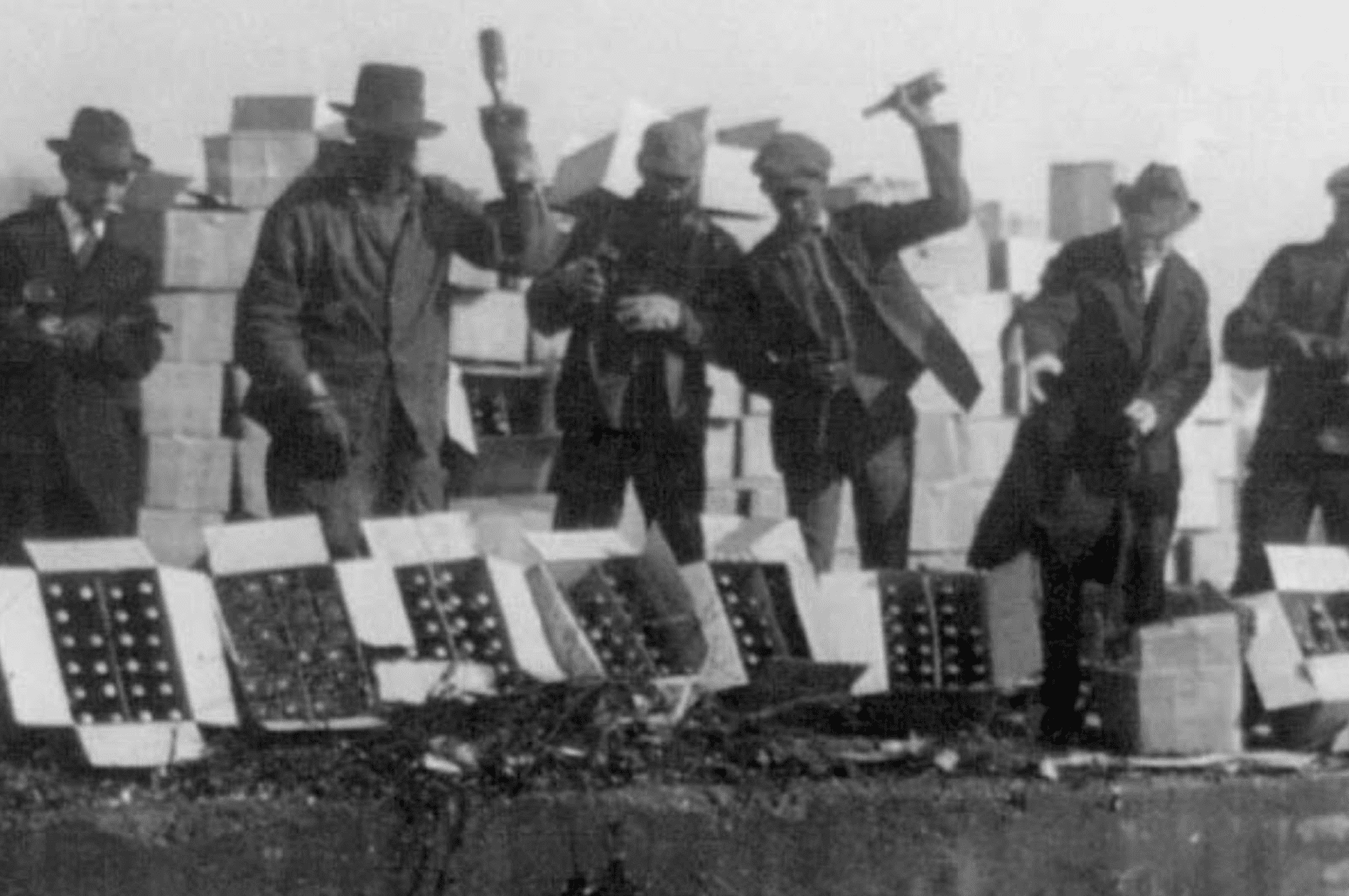
In addition to storage, all this alcohol had to be disposed of. It was decided that the best way to do this was to break the bottle by hand. All this destruction took place mainly on the piers. Armies of workers threw bottles on the ground and then threw the resulting pile of glass through a hole in the pier’s planks into the water. If a bottle fell into the water unscathed, the agents would fire their pistols into the water to finish the job.
The decline of brewing
American breweries also faced an unenviable fate during these years. And it wasn’t just that they couldn’t brew and sell beer. The fact is that most of them were founded by none other than first- and second-generation German immigrants back in the nineteenth century. During the First World War, anti-German sentiment prevailed in the United States. All Germans were branded as “enemies of the people.” Against the backdrop of a widespread campaign of suspicions of treason in favor of Germany, it got to the point where brewers were forced to abandon their native German language, and they changed the names of their brands on beer labels, but this did little to help.
But that’s not all, after the end of the First World War, German brewers were hit with a new blow. It was the Prohibition, which they automatically fell under. Rumor has it that anti-German sentiment in society played a significant role in its introduction. The result was a nationwide ban on the sale, production, and transportation of alcohol. As you know, it was in effect for thirteen years, from 1920 to 1933.
It is now known that, in practice, the law only led to the enrichment and growth of the influence of the American mafia. In addition, large-scale corruption in the judicial system and law enforcement agencies has flourished.
The revival of brewing
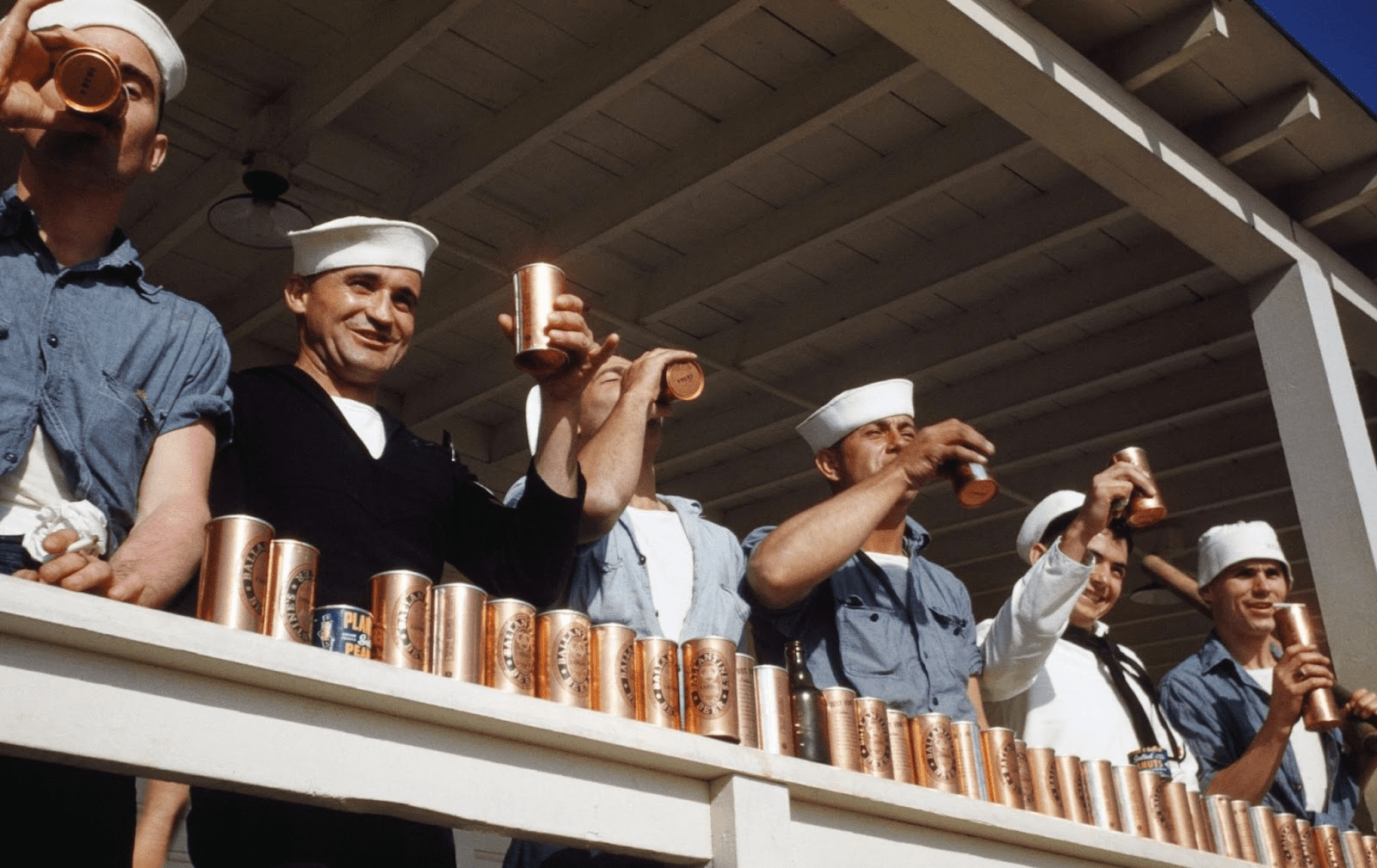
After the repeal of Prohibition in 1933, breweries began to gradually resume their operations, but it was World War II, without exaggeration, that saved most American beer brands. Eight years after the repeal of In prohibition, when the United States entered World War II, these companies began to flourish.
And although some activists started an anti-alcohol campaign again, then-President Franklin Roosevelt, who had just repealed Prohibition, after consulting with military advisors, came to the conclusion that in a situation of war. Alcohol would help boost the morale of the American army. After this decision, the brewers gave a standing ovation, because according to the agreement with the government, they were to supply 15% of their products to American soldiers.
There was only one restriction for beer producers – the amount of alcohol in beer supplied to soldiers should not exceed 3.2%. This is the only post-poek that the President of the United States made to activists who were running around with the idea of Prohibition during the war. In addition, the U.S. government declared brewing an important wartime industry.
This news made the brewers very happy. A few years ago, they were the enemies of the people, but now they have become a model of patriotism. Since then, the producers have launched large-scale advertising campaigns to promote their significant contribution to the future victory, not forgetting to talk about the taxes that went to support production for the front. All this might not have paid off, but the brewers gained a huge army of fans. Young soldiers who had returned from the war treated them with special respect.
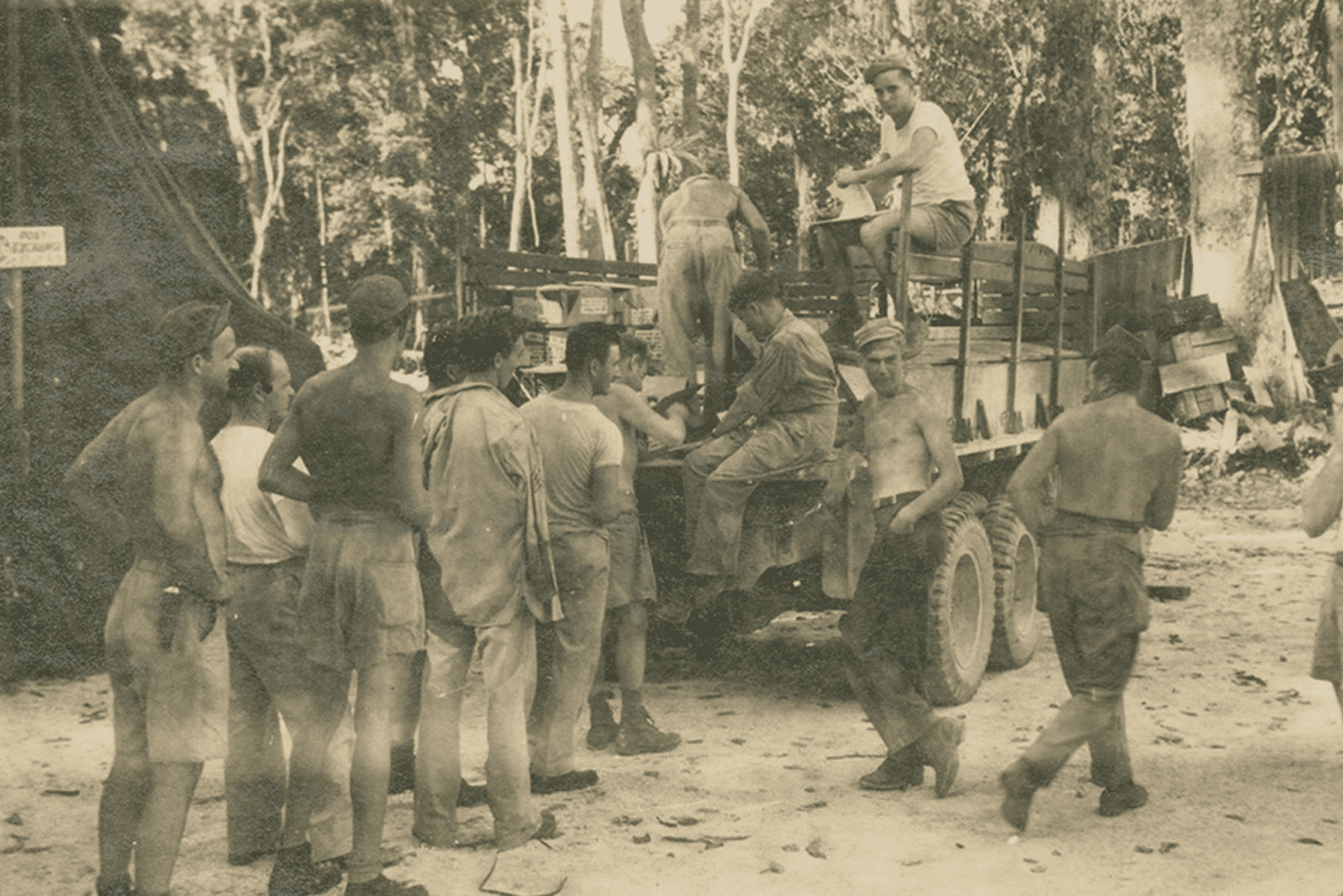
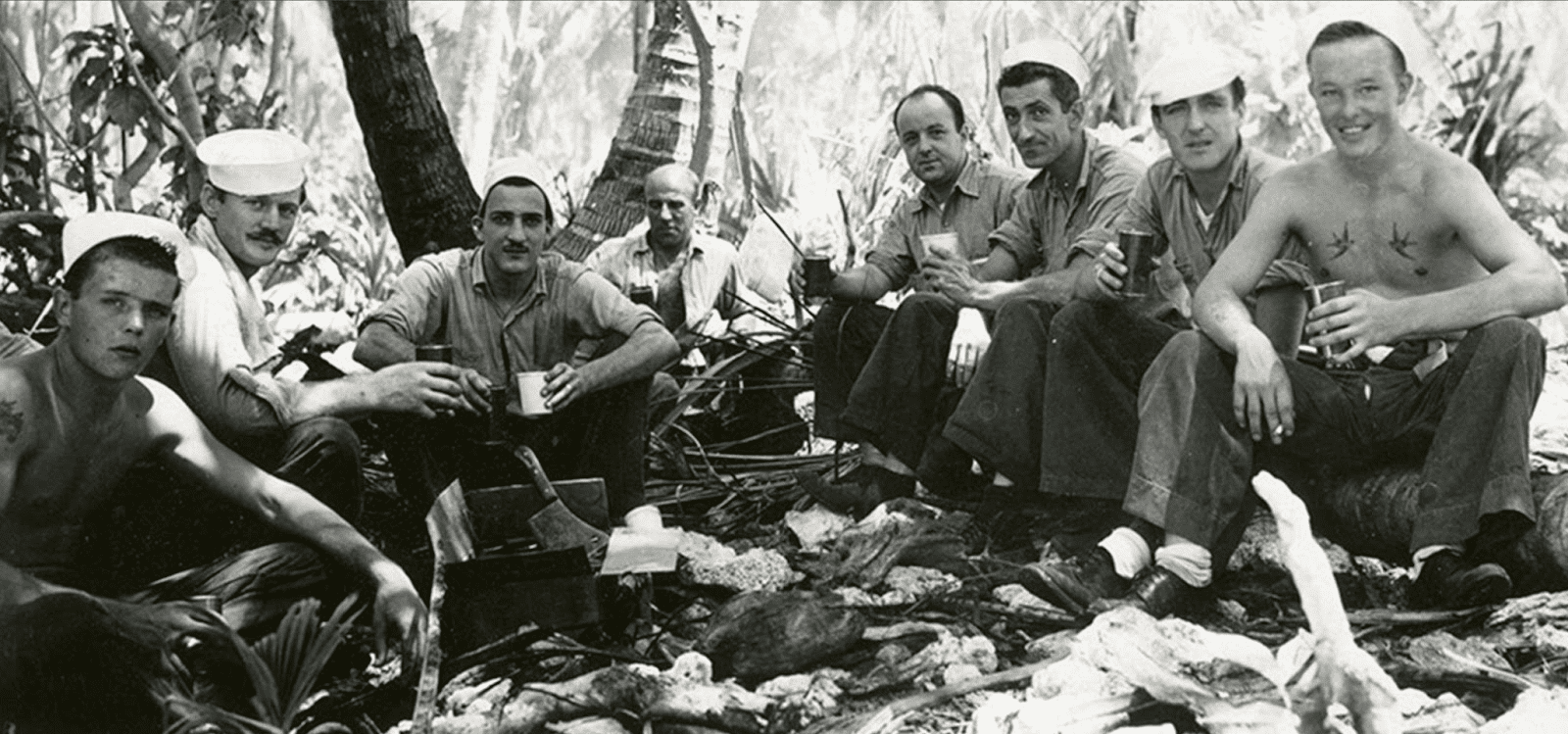
And what about the government? The leadership of the U.S. Armed Forces provided soldiers with beer rations without interruption, not only on the fronts in Europe but also in the most remote corners of the Pacific Ocean. In addition, it was during the Second World War that beer cans appeared that were painted in olive gray to imitate camouflage. Rumor has it that this happened after brewers consulted with their main customers, the military.
Sources:
- https://babel.ua/en/texts/81071-alcohol-helped-in-the-war-if-it-was-consumed-in-moderation-we-talk-about-beer-wine-rum-vodka-and-of-course-about-cocktails-on-the-frontlines-and-in-the-rear-of-the-second-world-war-history-in-archival
- https://turnstiletours.com/brooklyn-army-terminal-fortress-of-prohibition/
- https://www.angelsenvy.com/us/en/guide/whiskey-content/world-war-ii-and-whiskey/