
As you know, volunteering can be very different. From a desire to informally help your community to active participation in supporting a specific non-profit organization. It has become a good tradition that a significant amount of a nonprofit organization’s workforce – a third, to be exact – is made up of volunteers. Isn’t this a demonstration of the importance of such dedicated supporters? Almost every leader of Brooklyn nonprofit organizations can attest to this fact. Read more about the history of volunteer organizations in Brooklyn, and about their importance and necessity for the local community at i-brooklyn.com.
What is volunteering?
In terms of history, volunteering in the United States dates back to the Revolutionary War. It was at that time that civilians took part in military operations.
Brooklyn Volunteers has a special relationship with the nonprofit organizations that guide these passionate individuals, pointing them in the direction of work, through structured programs designed to have the greatest impact on a particular cause. People who register as volunteers in non-profit organizations perform acts of so-called formal volunteering. This work is documented and registered, unlike the work that volunteers do when they help their community on an ad hoc basis. This is another type of volunteering – informal.
Currently, informal volunteering is more widespread than formal volunteering.36 Luckily for nonprofits, these two types of volunteering are not necessarily in competition. Most informal volunteering is based on relationships between people rather than a desire to work on a particular cause.
Nowadays, volunteering is a highly effective form of charity. But how did it all begin? Hardly anyone would argue with the thesis that the idea of helping others has existed for as long as humanity has existed. The work of the first volunteer organizations can be traced back to the history of medieval Britain. At that time, there were more than 500 hospitals in the country, where volunteers worked to help the poor and sick.
However, it was only in the nineteenth century that the so-called organized volunteering appeared and began to gain momentum, believed to have originated in 1844 in London. In the twentieth century, this movement only got stronger. Many volunteer organizations appeared that sought to influence the life of the community, to help those in need, carrying a positive charge. A wide variety of organizations, structures, and societies were created. They were a place where people of different backgrounds, cultures and beliefs could come together, exchange valuable ideas, develop friendly personal relationships, and, most importantly, change the world for the better.
The impact of modern technologies on the institution of volunteering
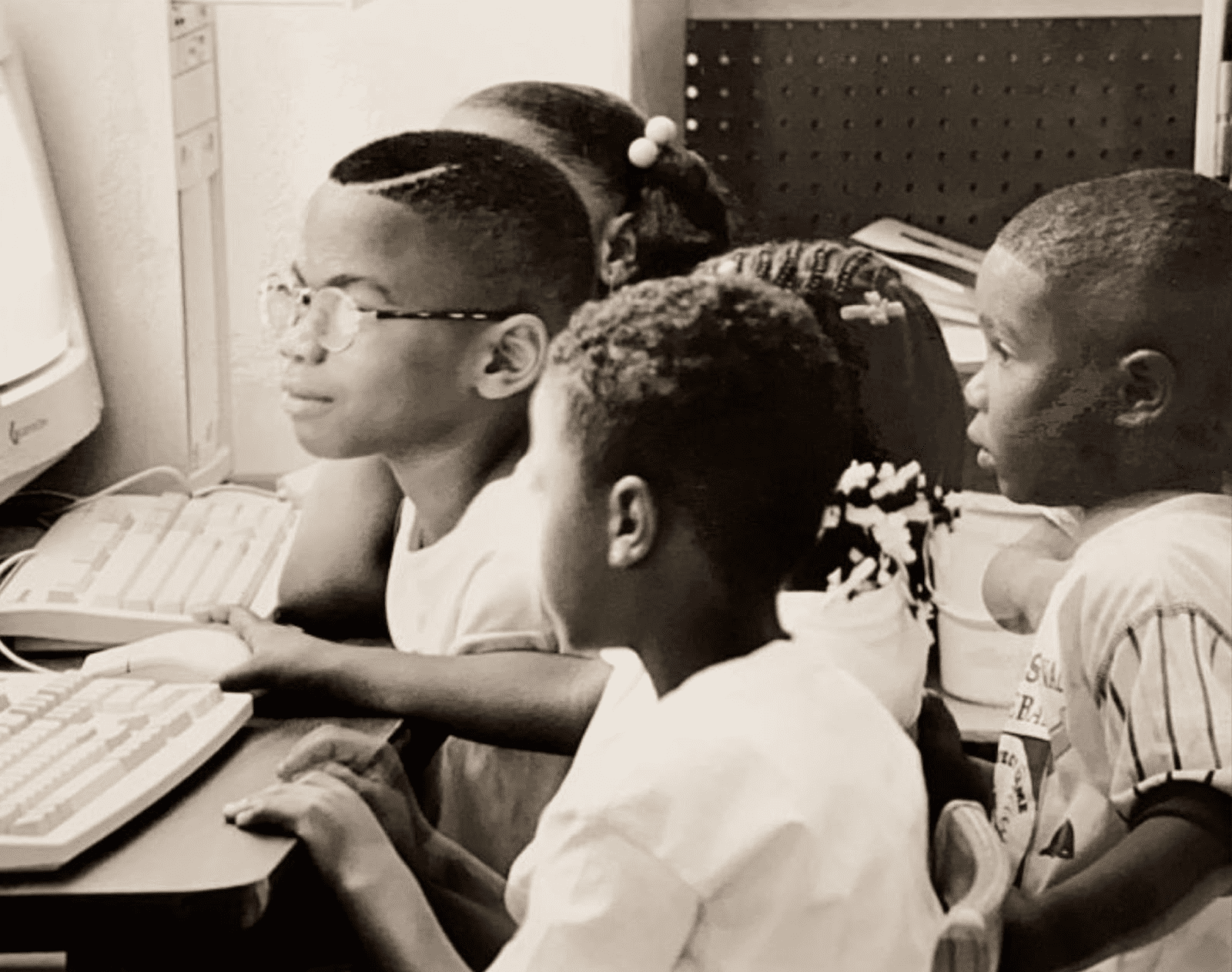
Nowadays, the Internet has come to the aid of these people and organizations in Brooklyn, and it has provided a great boost to the popularity of volunteering. New modern technologies allow people to communicate with each other across the globe.1314 This way, information about various volunteer initiatives is spread without any restrictions and regardless of people’s location.1516
Such virtual opportunities help volunteering ideas find a new audience and expand their reach beyond their own community.
Today, with just the help of modern management software, nonprofits can create a large number of opportunities to connect with their volunteers. With a wealth of digital tools, these organizations are improving their volunteer pathways, making their programs run as smoothly as possible.
Brooklyn Community Services
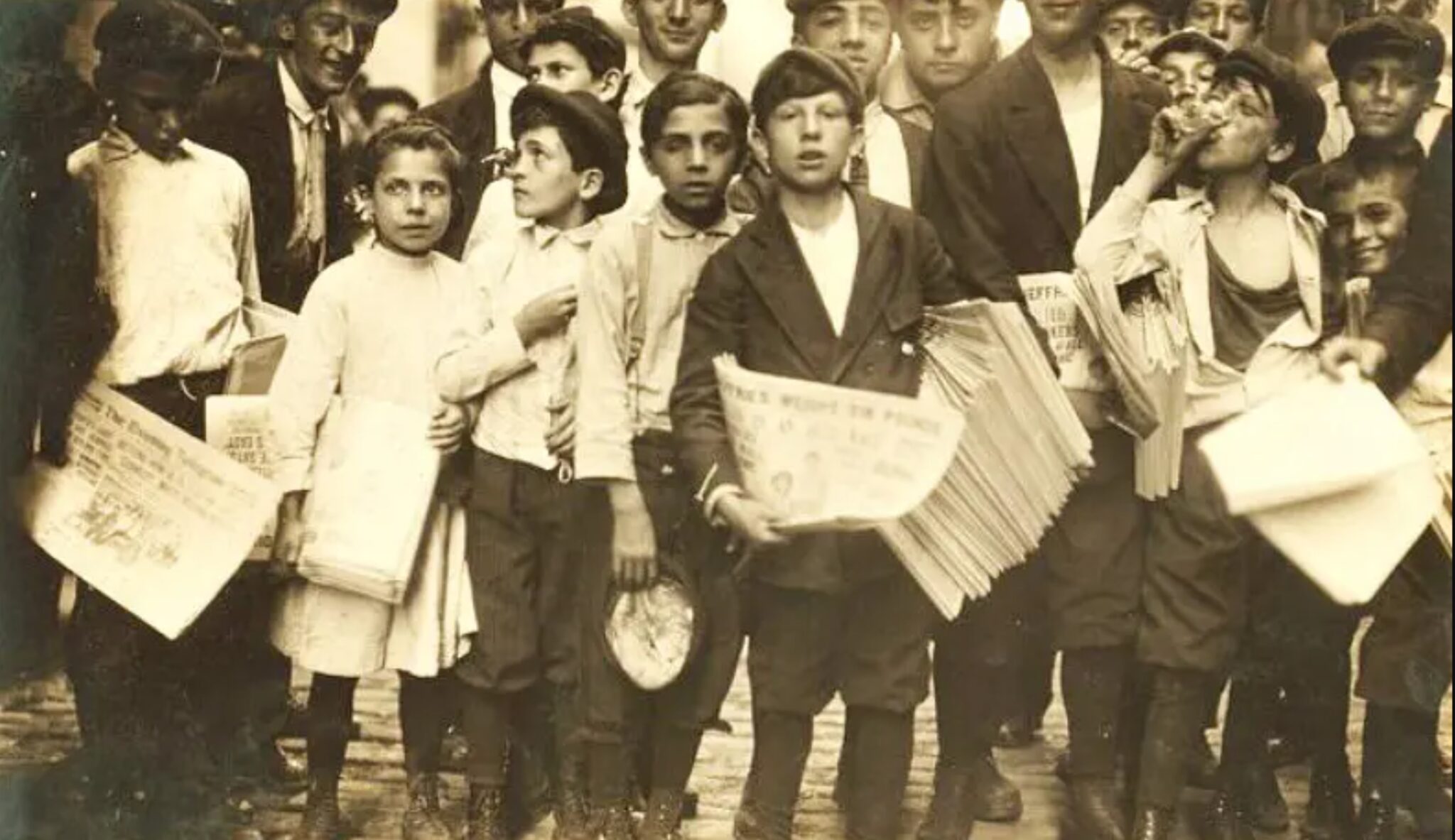
There are many fascinating stories of how simple acts of kindness became the formalized workforce that we see today. One of them was and still is Brooklyn Community Services. This society opened its first program back in 1866. It was a shelter for homeless newspaper carriers. This experience was later adopted by other young volunteer organizations of the time in the United States.
The society provided shelter for young newspaper carriers and other street children. In addition to a place to sleep with a bed, Brooklyn Community Services offered hot meals. In addition, educational services were provided and religious services were held for street children who were forced to earn their living from childhood.
Another significant campaign of the Brooklyn Community Services was the almost 30-year-long, from 1897 to 1926, assistance to residents of the Brooklyn community who did not have the financial means to be treated and to withstand the tuberculosis danger and annual flu epidemics. In addition, the organization actively assisted Brooklyn residents affected by polio on a volunteer basis.
At that time, Brooklyn Community Services’ involvement in public health efforts included establishing dispensaries, conducting health education campaigns, and implementing school health programs to combat the spread of this terrible and dangerous disease.
Today, Brooklyn Community Services works in neighborhoods that suffer from systemic poverty. They strengthen communities, promote children’s academic success, help develop youth leadership, employ adults, and improve the lives of people with disabilities.
For more than 160 years, Brooklyn Community Services has remained committed to its mission. Today, the organization provides children, youth, and adults and families with assistance in overcoming adversity and other possible obstacles they face. In doing so, the services work in close collaboration with the Brooklyn community. The organization provides access to excellent education or employment, safe and affordable housing, quality health care and wellness programs.
Half a century of volunteerism
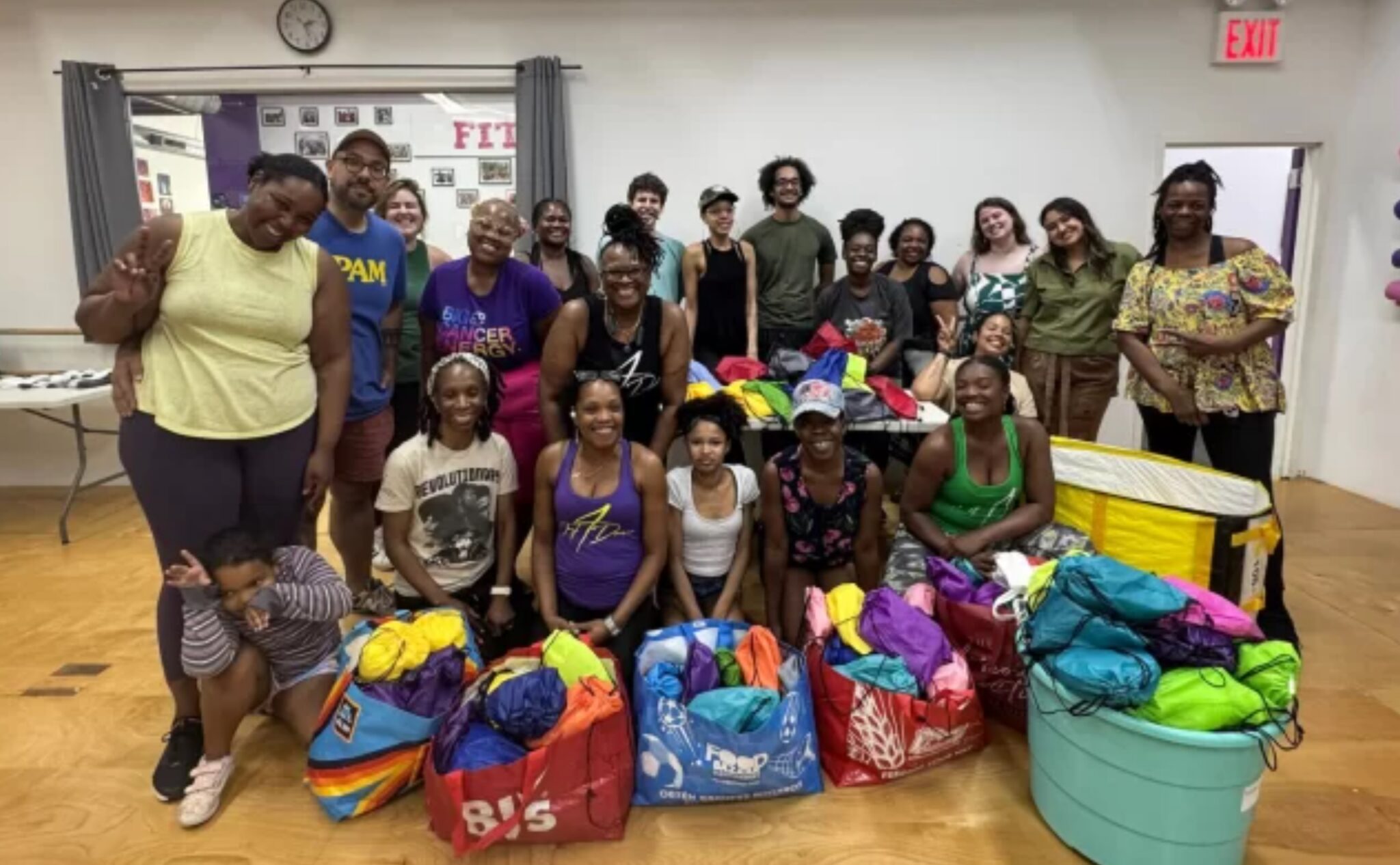
In 2016, Brooklyn Community Services celebrated 150 years of service and impact on Brooklyn and its residents. Since its founding in 1866 to help Civil War veterans who were disabled by the war, street children, and specifically newspaper carriers and other homeless people, the organization has remained committed to its work and its community. It is at the forefront of the first responders in any major crisis that Brooklyn faces.
Whether it was a pre-Great Depression flu epidemic or the tragedy of September 11, 2001, when a series of coordinated terrorist attacks organized by Islamist terrorists from the Al Qaeda group took place. As a reminder, those attacks killed about 3,000 people and caused at least $10 billion in damage to global infrastructure.
Sources: