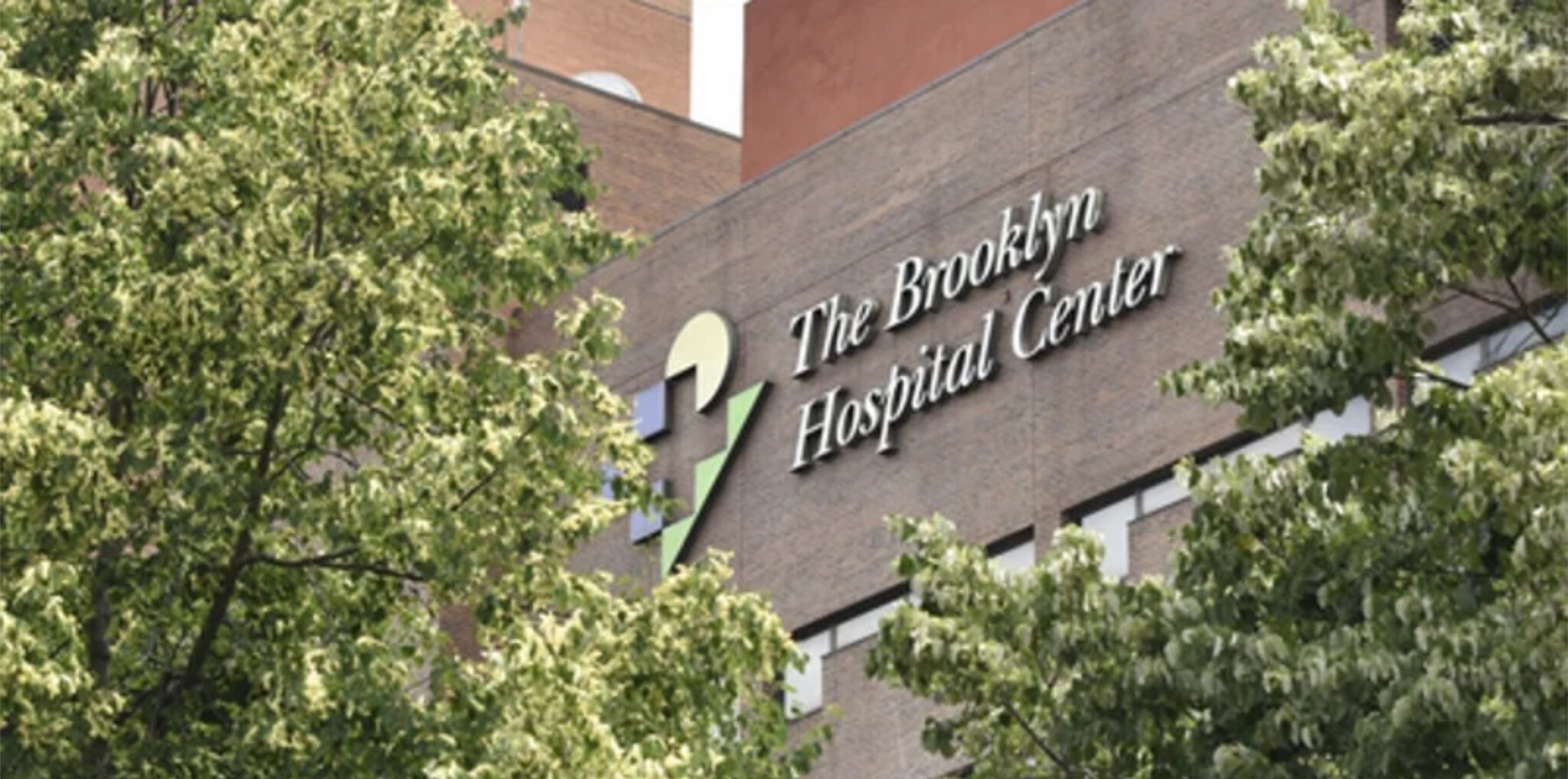

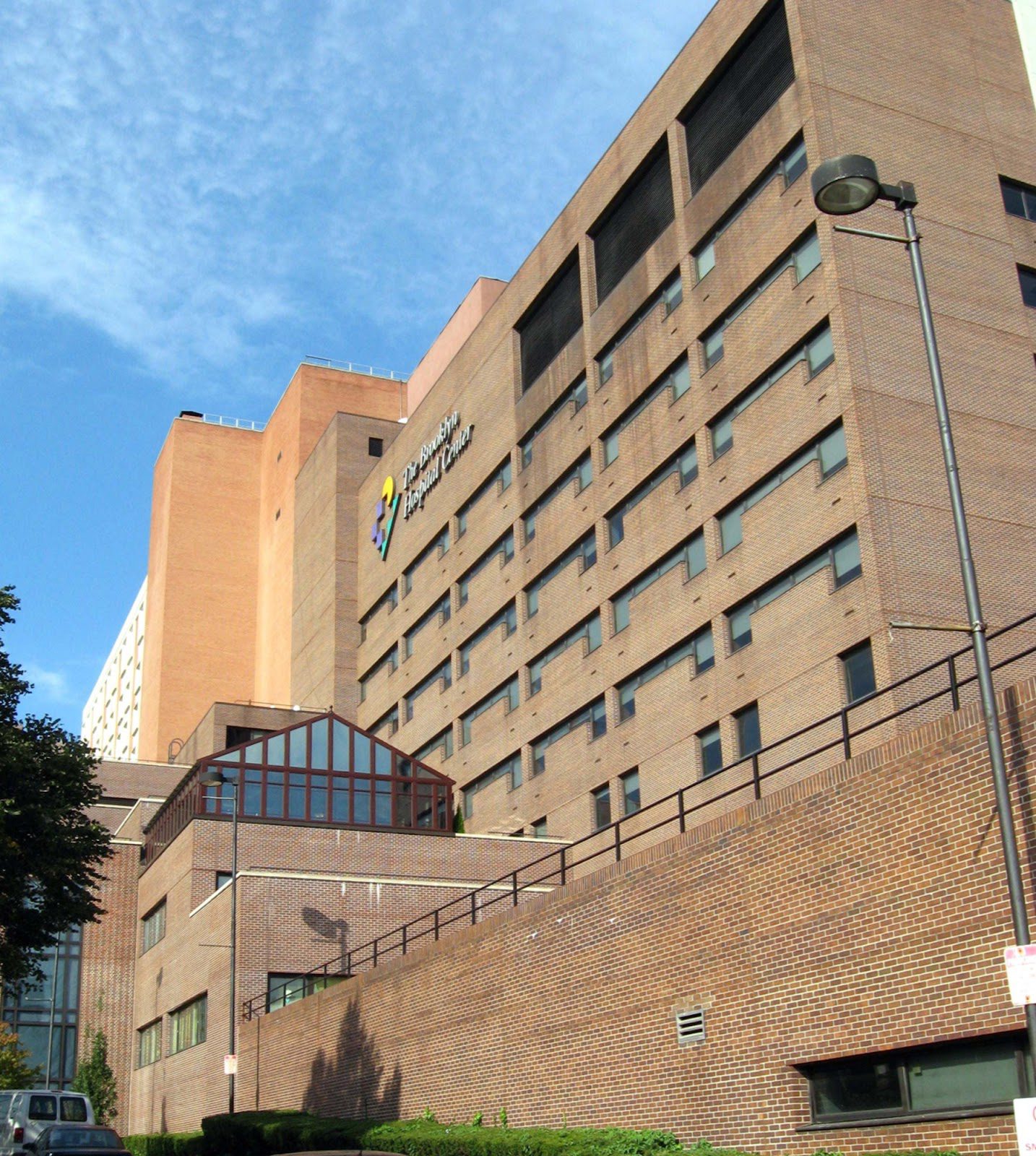
Brooklyn hospital was chartered by the New York State Legislature in 1845 and opened in 1852. Over the following decades, it grew, expanding from its original building into a complex of medical facilities. In 1880, it established the city’s first nursing school. In 1982, it merged with Caledonian Hospital. In 1990, its name was changed to Brooklyn Hospital Center. As of 2024, it continues to operate under this name. Read more about the creation and operation of Brooklyn’s oldest medical institution at i-brooklyn.com.
The idea of the centralized medical care
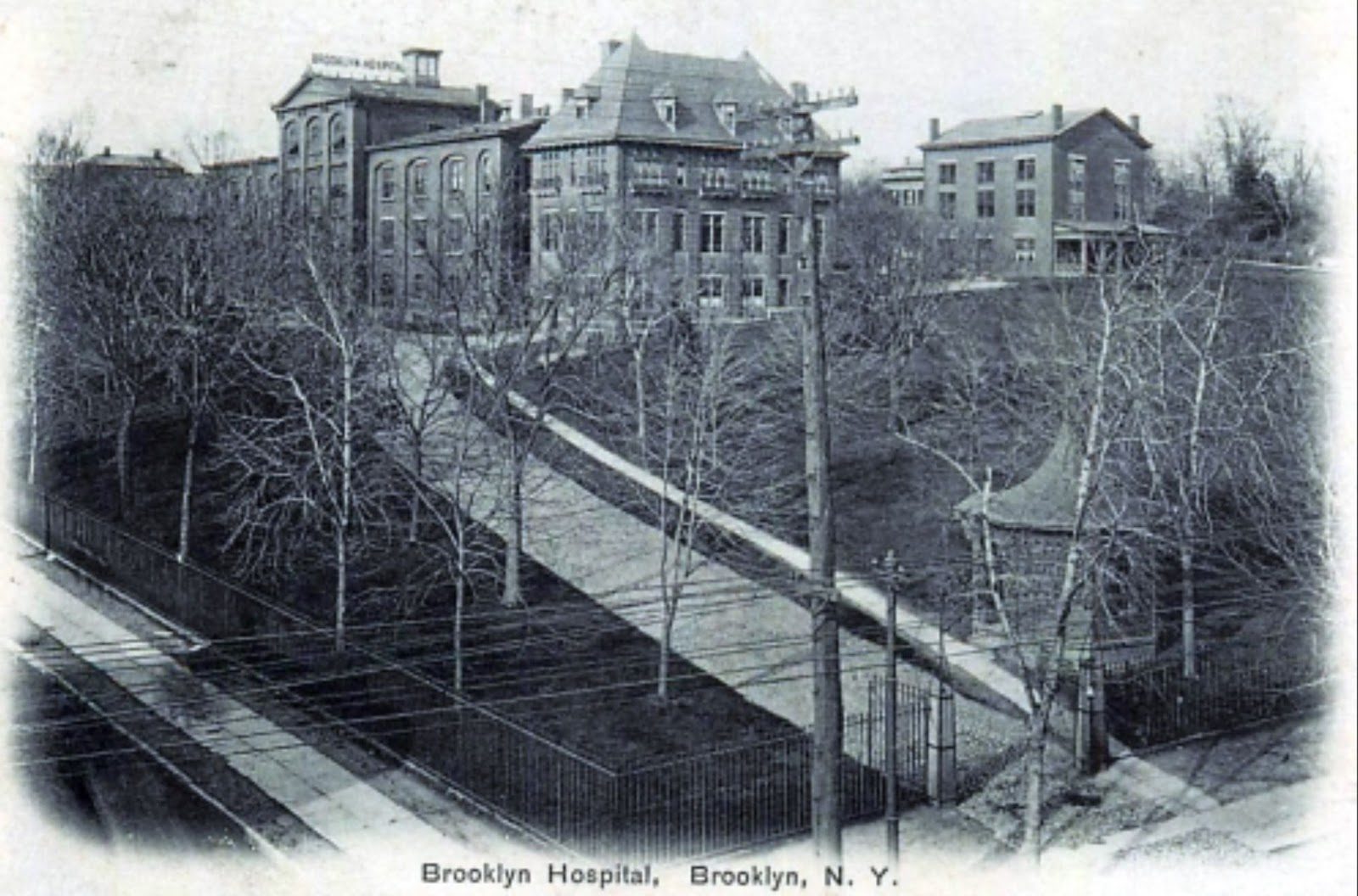
At the very beginning of Brooklyn development, if someone needed medical care or a doctor’s consultation, they either called him or had to go to his office. There were no public places for medical care. This was a great inconvenience for residents and even more so for visitors, as they did not know where the doctor lived. One day in 1839, an accident occurred that became the catalyst for the idea of building a city facility for medical help.
A man was hit by a van on the street and broke his leg. It happened that the mayor of the city, Cyrus Smith, witnessed the event. He took the wounded man to the doctor’s house. Moreover, he paid for the examination and assistance. After this incident, the mayor realized that the city urgently needed a hospital.
The process did not go quickly. Six years later, he initiated a meeting and discussion of the provision of medical care for the citizens. In 1845, the state approved this decision. The mayor headed the board of trustees.
Still, this did not mean that some facility appeared in the city at once. This idea was put away for quite a long time. Although, it would seem, the need for its creation lay on the surface. Fundraising was terribly slow and negligible. The need for a specialized facility grew ever greater. In 1846, through the generous donations of several trustees, notably Augustus Graham, one of Brooklyn’s great philanthropists, enough money was finally raised. A small house on Hudson Avenue was purchased. A year later, in 1847, the hospital was opened.
New buildings
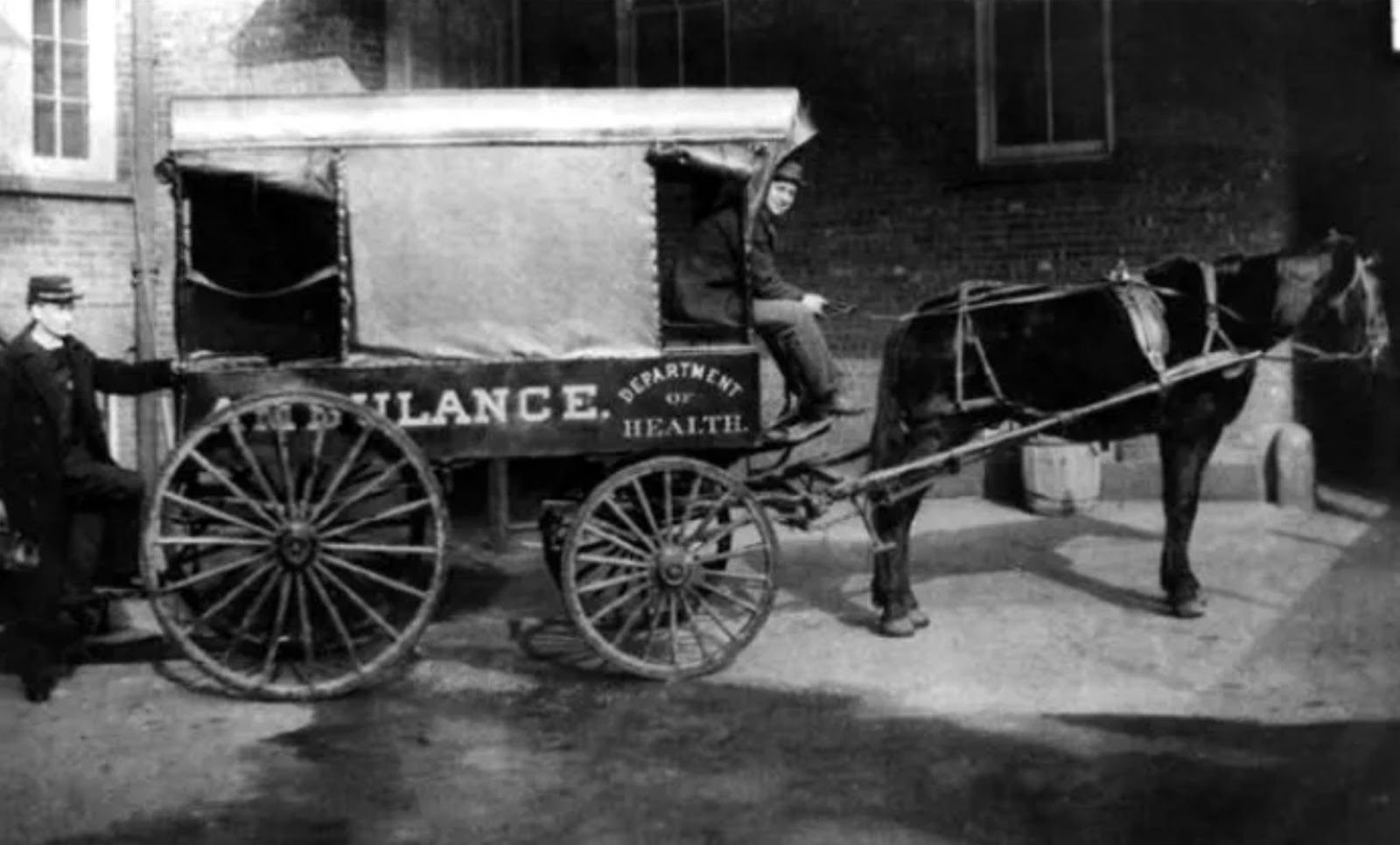
To be fair, the building was grossly inadequate from the start. However, it was the only such public place until 1852. Thus, Brooklynites had to rely on its services until the campus in Fort Greene was opened. It was so tiny that there were times when major operations had to be performed in the same room with other patients. The quality of the doctors’ services was not particularly good. Getting reliable anesthesia before a complicated operation was something unreal.
At some point, the hospital was taken seriously. At first, it was decided to expand it. 74 plots of land were purchased near Fort Greene Park. It is still located there. The city was somewhat lucky. Graham turned out to be a quite generous man.
Even though he died in 1847, he left enough funds for further construction works. In 1851, a groundbreaking ceremony was held, at which Graham’s widow laid the cornerstone of the new hospital for 161 patients.
The second was the Pathology Hall. It was opened in 1858 for the study of the human body. It contained autopsy rooms, lecture halls and a research library. There were only two such places in the US at the time. More buildings were built later.
The work during the war periods
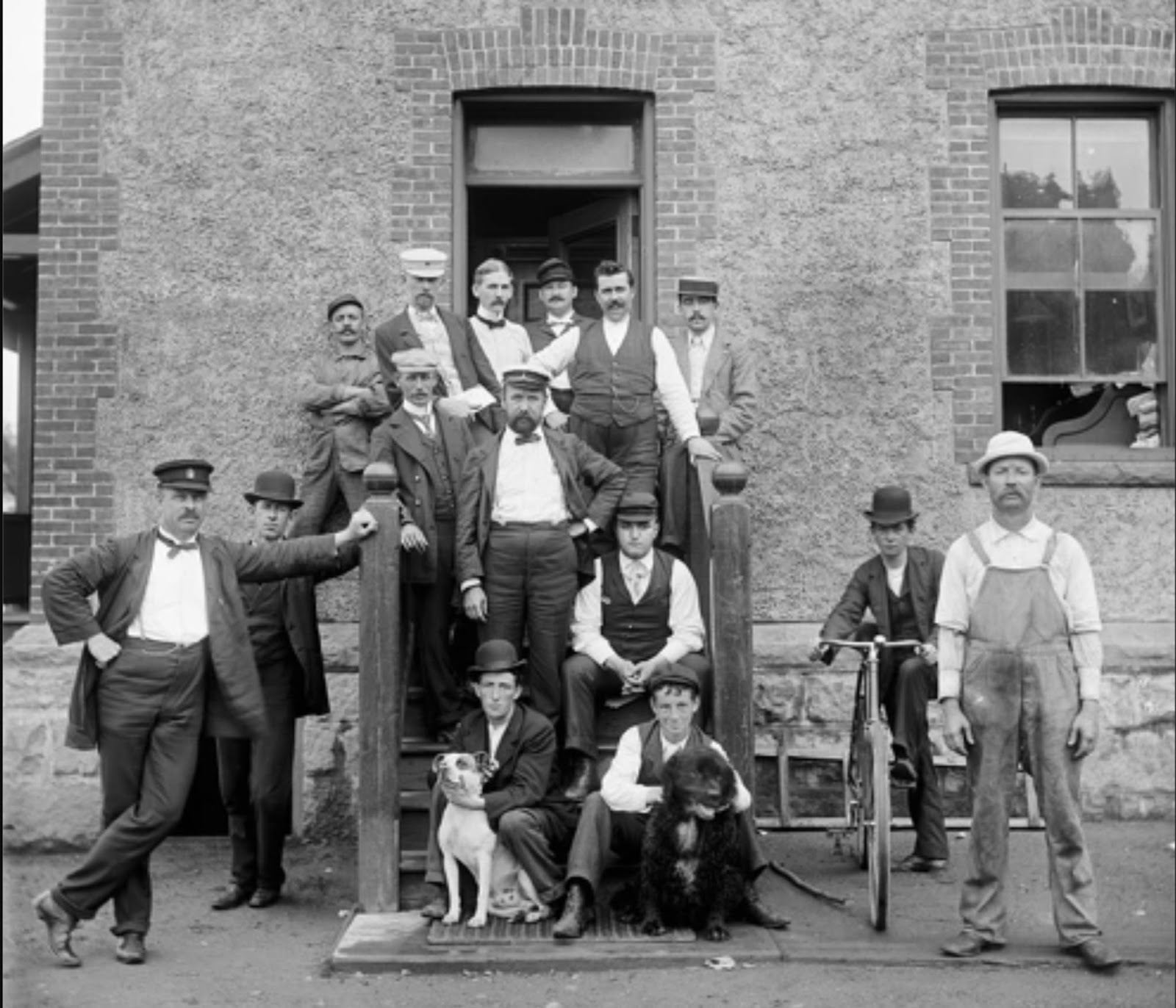
When the Civil War began, the facility took over the function of caring for sick and wounded soldiers. This happened again during the Spanish–American War, World Wars I and II. During World War I, the 60-bed floor of the West Pavilion was dedicated to caring for sick and disabled sailors.
In 1869, an orthopedic infirmary was created in the previous pathology center. It treated poor residents of Long Island. Many of them were sent to the wards. Minor surgeries were made in the infirmary.
In the 1890s, the first school for nurses was created in the city. It was founded through the efforts of the Fruit and Flower Mission. Mrs. Seth Low became the president. By 1896, the facility had its own ambulance service, which responded to almost 1000 calls during its first year of work.
At the same time, the original campus was demolished to create a larger general facility centered on an expanded maternity hospital, a general one and an infirmary. By 1893, it was completed, housing one of the first separate maternity wards at the time.
Further development
In 1926, the facility installed an electrocardiograph and opened a specified department. Major modernization started after World War II. Then, a cardiopulmonary laboratory was renovated to investigate blood and circulatory system disorders. A well-equipped post-anesthesia room was opened, where patients spent the crucial hours after surgery under the supervision of nurses and doctors.
In the 1970s, a new pharmacy opened here. There was also a new clinical laboratory, hemodialysis service, neonatal intensive care facility, full-body computed tomography, speech and hearing center, diabetic and endocrine center, several internship programs, vascular surgery service, etc. The hospital also rapidly developed nuclear medicine, cardiology and oral surgery.
Since 1990, it is known as The Brooklyn Hospital Center.