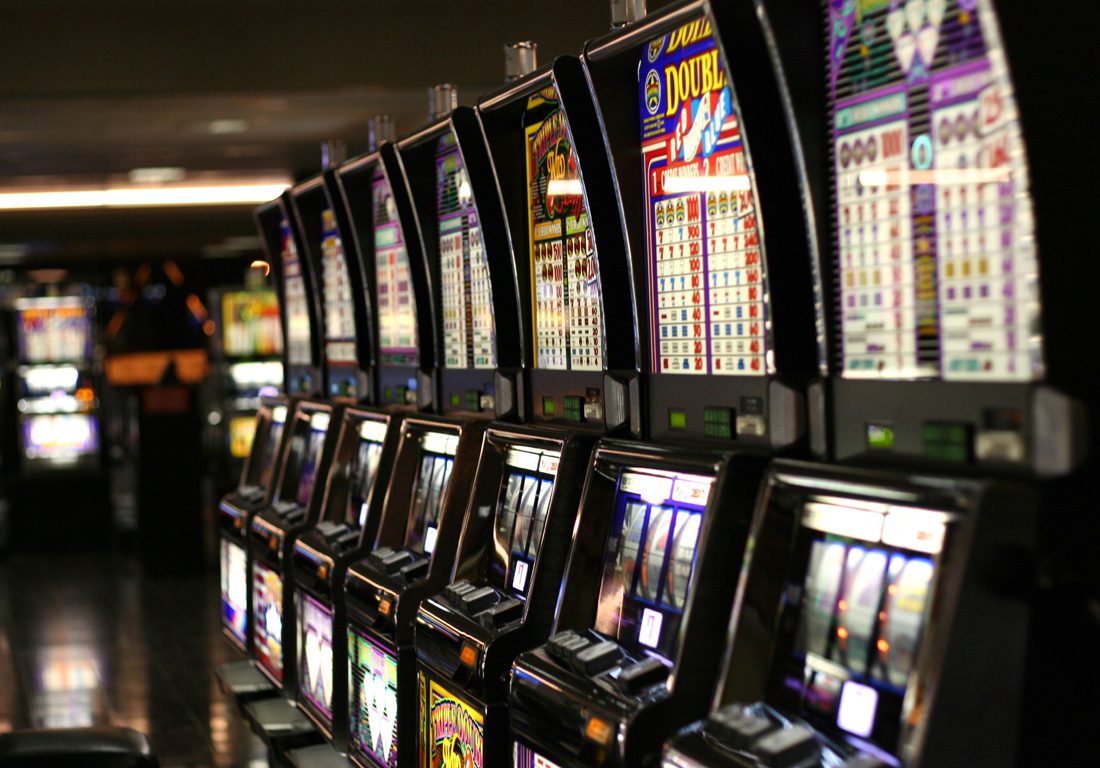

Slot machines are considered to be one of the most profitable casino games for both players and the venue. There are cases when a casino collected about 1.36 billion dollars from visitors in one month. It is true that this is the largest revenue generated by gambling. It is also known that such fees could not have been collected if it were not for slot machines. Out of this colossal amount, slot machines brought in more than $873.6 million.
All this is no coincidence, as slot machines have been one of the most popular types of gambling for over 100 years. For example, in Nevada, they brought in more than $7.7 billion in 2018. No wonder they are called “one-armed bandits”. To understand how slot machines have become so popular in the United States, especially considering that they are still banned outside of casinos in most states, we need to look at the history of their creation. Especially since Brooklynites played a significant role in this. Read about all this on i-brooklyn.com.
The origins of slot machines
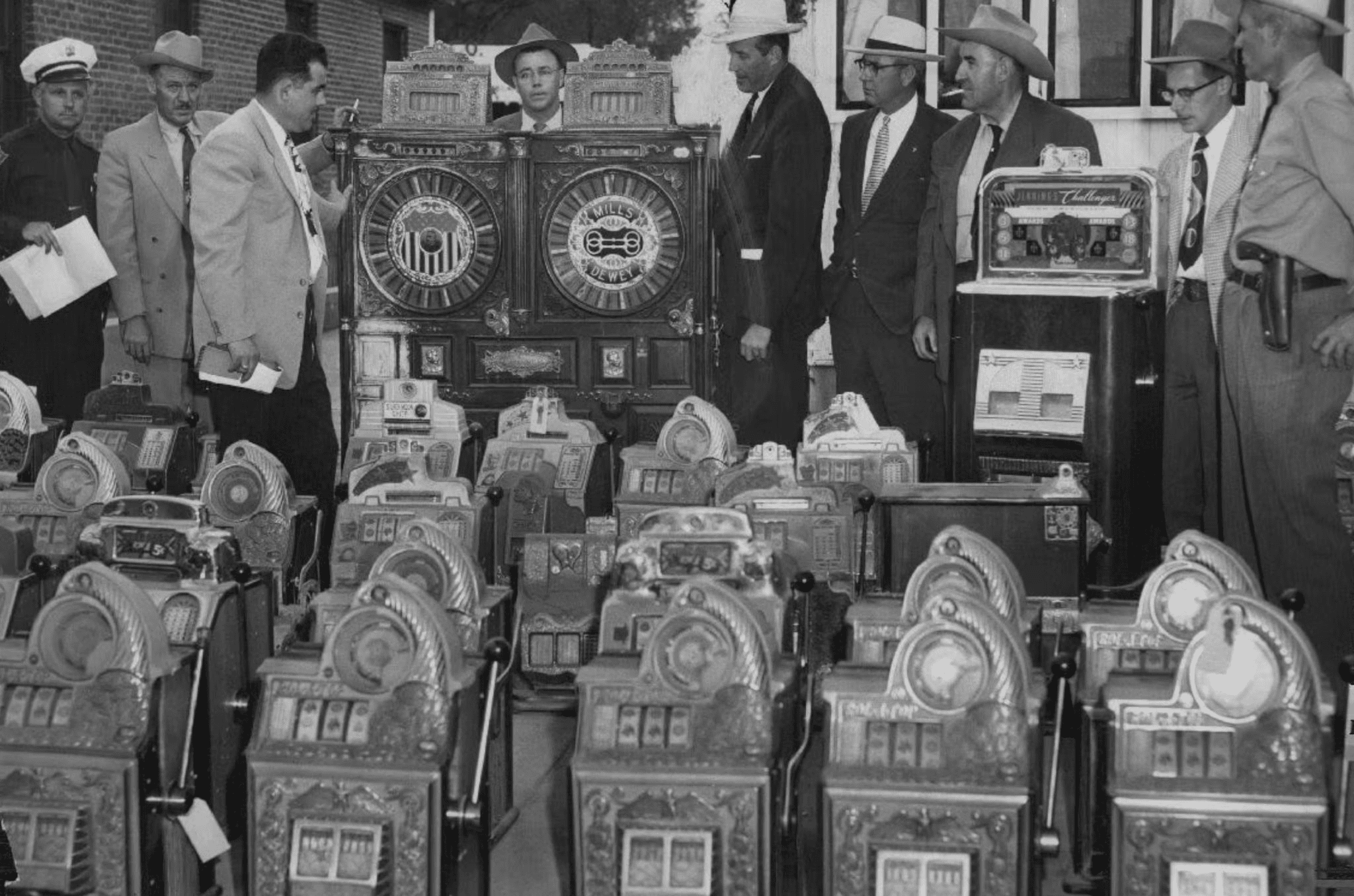
Later, devices appeared that had a round display and a rotating indicator that stopped at a certain number, color, image, or pointed to them. The invention of the slot machine as such is closely related to another mechanical invention – the vending machine. The first one was invented in the first century AD in Roman Egypt. It was created by the Roman mathematician and engineer Heron of Alexandria. The purpose of creating such a unit was almost sacred – it dispensed only a certain amount of holy water. This was to prevent believers from taking too much of it in the church.
Therefore, this device allowed people to receive only a certain amount of water by throwing a coin into the slot. The principle of operation was very simple: the coin was pressed by weight on the bar, and water poured out. But only a certain amount, so everyone received their fair share.
According to researchers, vending machines came to English pubs in the 17th century from there. To be more precise, somewhere in the early 1600s, a smaller version of a vending machine for selling smoking and snuff was created in England. It should be noted that the mechanism of the device was not perfect, it did not in any way prevent customers from taking more tobacco than they paid for. Therefore, the vending machine had to be placed near the owner of the establishment so that he could monitor the process.
Later, in the XX century, this coin-operated machine evolved into the vending machine that we know today, and moreover, it inspired the creation of slot machines that also work on coins. In the beginning, these machines were quite primitive. For example, if you threw a coin into the slot, you could watch two toy horses run in a circle.
Of course, these machines cannot be considered gambling machines, as they were, let’s say, entertainment machines. After all, visitors did not place bets or gamble on such a device. Instead, these machines were pleasing to the eye and piqued curiosity, standing on the bar in the saloon and attracting visitors.
In general, the standard practice in those days was for the owner of a pub or bar to pay customers who won with drinks, cigarettes, or checks that the winner could exchange for snacks. However, already in the early nineteenth century, some establishments began to have slot machines that actually paid customers with coins.
The principle of operation of such machines was as follows: coins inserted into the slot fell on internal scales, where they could tip over and spill out other coins.
The coin-operated gambling industry
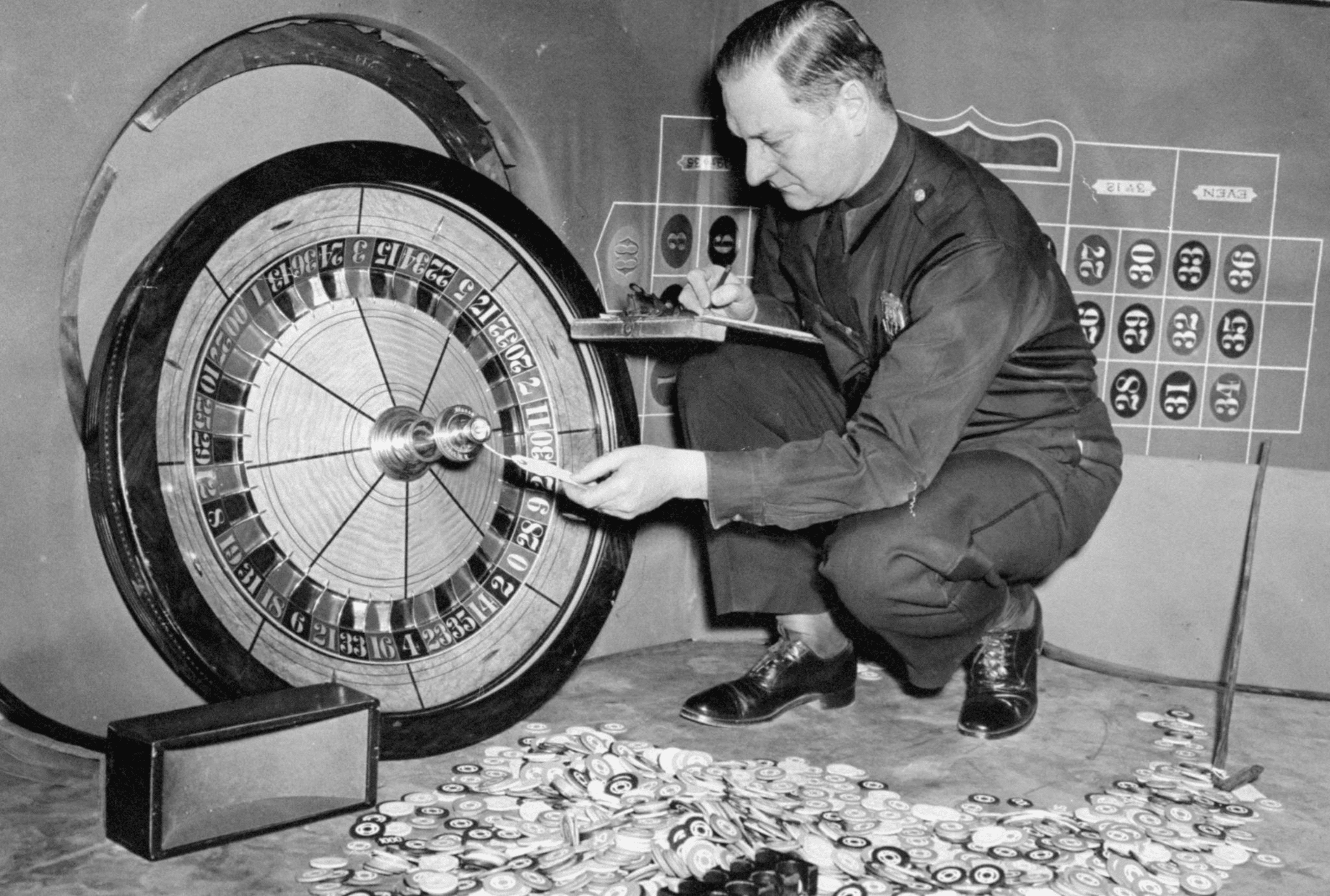
Unlike the coin-based entertainment industry, which originated in Europe, the coin-based gambling industry can be considered a predominantly American phenomenon. This is very easy to explain, as gambling had a long history in Europe before the advent of slot machines. This means that laws against gambling also had a long history.
For example, in France, Louis XVI issued a decree in 1781 that banned any gambling for money. This decree survived the French Revolution and numerous subsequent governments. Similarly, in England, the parliamentary acts of 1853 and 1854 severely restricted automatic gambling.
Nevertheless, gambling in Europe developed, but slot machines and all-wins games were of a completely different nature than those that took over the United States. Moreover, the gambling laws contributed to this, as they were quite liberal in the late nineteenth century. As a result, coin-based gambling businesses flourished.
One of the oldest gambling machines is considered to be the “Bank of Guessing”. It was invented and developed in 1876 by New Yorker Edward McLaughlin. After a coin was thrown into the Guessing Bank, a dial started spinning and stopped at a random number. The essence of the game was that the client called the number that the machine would show, and if he guessed it, he won a prize.
The birth of a one-armed bandit
However, like other coin-operated devices of the time, this trade stimulator did not become widespread until at least the late 1880s. In general, many different trade stimulators were being developed on the European continent at this time.
However, when in 1889 the British inventor Anthony Harris developed a wall-mounted version of the “Guessing Bank”, a machine with a rotating dial, it did become widely used and popular. However, a new type of trade stimulator was soon invented to compete with it.
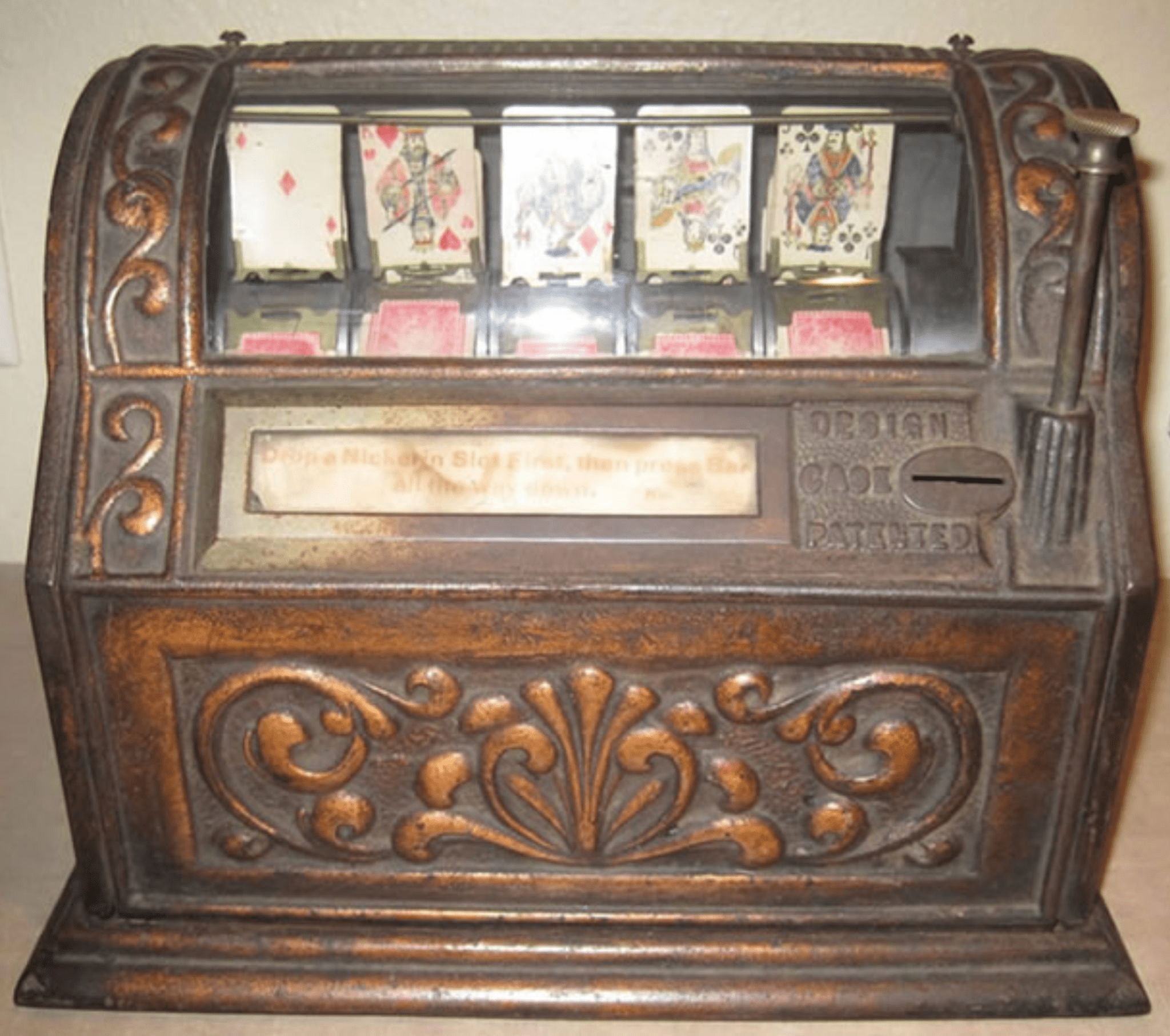
The Brooklynites took an active part in the production of the new card machine, and in 1893 they became the authors of their own card machine. The Brooklyn-based company Sittman and Pitt presented its creation, which was recognized as the very first coin-operated gambling game. Moreover, the Sittman and Pitt slot machine achieved national popularity throughout the United States of America.
At the same time, it was incredibly rudimentary and based on card poker. The machine used five reels with a total of 50 cards. Players inserted a five-cent coin and spun these reels in turn to form a poker hand. These original machines displayed the cards in a randomized order, and players received prizes based on how winning their poker hand was.
Prizes that did not always please
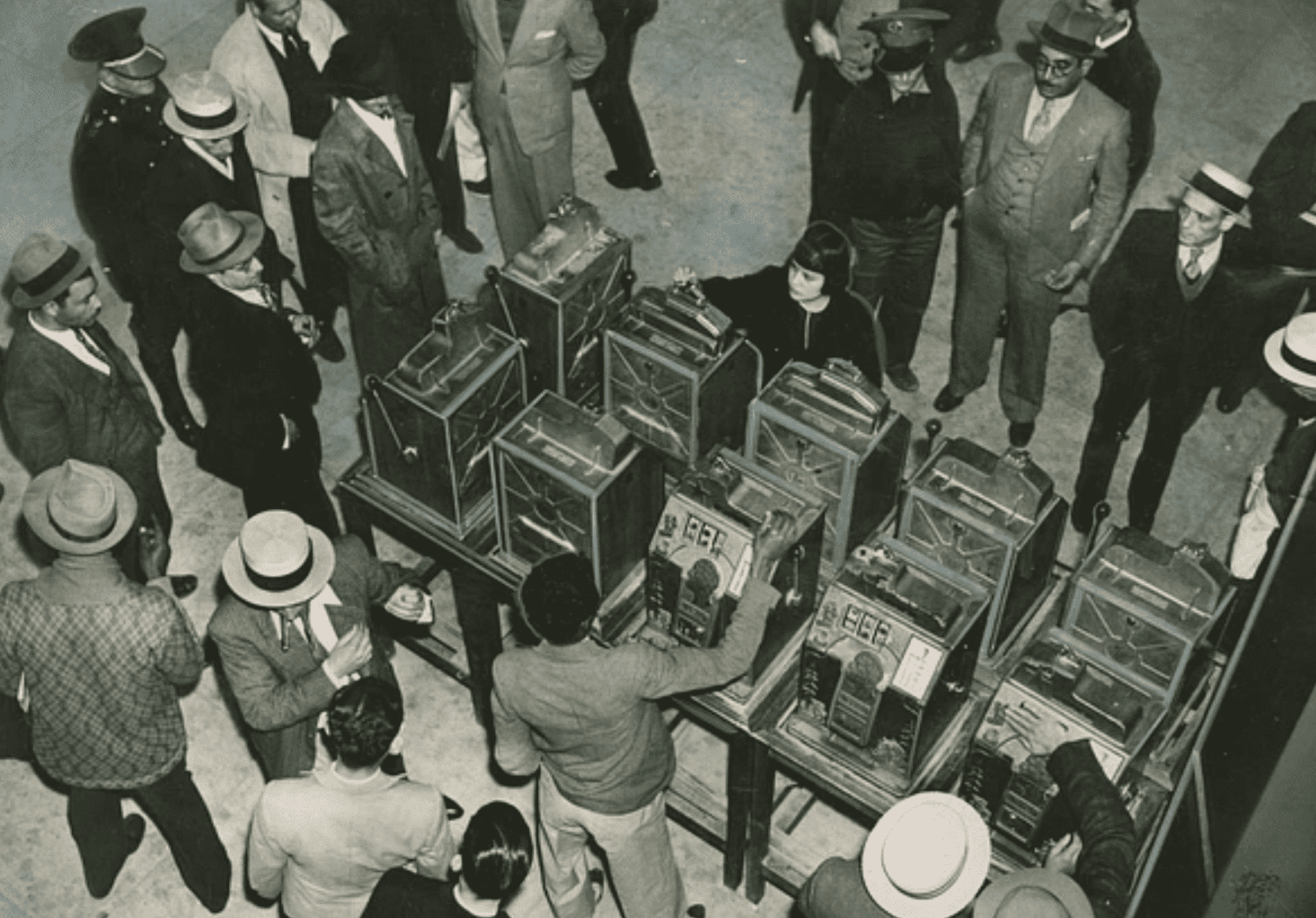
However, these original machines did not pay out money. Although the game turned out to be popular, it was complicated, primarily for operators, because there was a huge number of possible wins, which made it very difficult to implement automated payouts. And since there was no direct payout mechanism, a pair of kings could bring a player a free beer, while a royal flush could pay for cigars or drinks.
The whole point was that the prizes depended entirely on what was offered in a particular establishment where this slot machine was installed. Moreover, in order to give the establishment the opportunity not to “pay” for the winnings, two cards were usually taken out of the playing deck – the ten of spades and the jack of hearts. Without them, the chance of getting a royal flush became very small. The reels could also be rearranged to further reduce the player’s chances of winning.
Nevertheless, it was the invention of Brooklyn-based Sittman and Pitt that became the forerunner of modern slot machines, because it was the entertainment value that those first machines brought to bars and restaurants that led to their invention.
Sources:
- https://biometricasystems.medium.com/a-history-of-the-slot-machine-from-ancient-times-to-the-iconic-liberty-bell-3658a39261c7
- https://www.animationxpress.com/latest-news/the-history-of-the-slot-machine/
- https://betiton.medium.com/it-all-started-with-how-the-slot-machine-become-the-worlds-most-popular-casino-game-by-betiton-691544a3a6c7