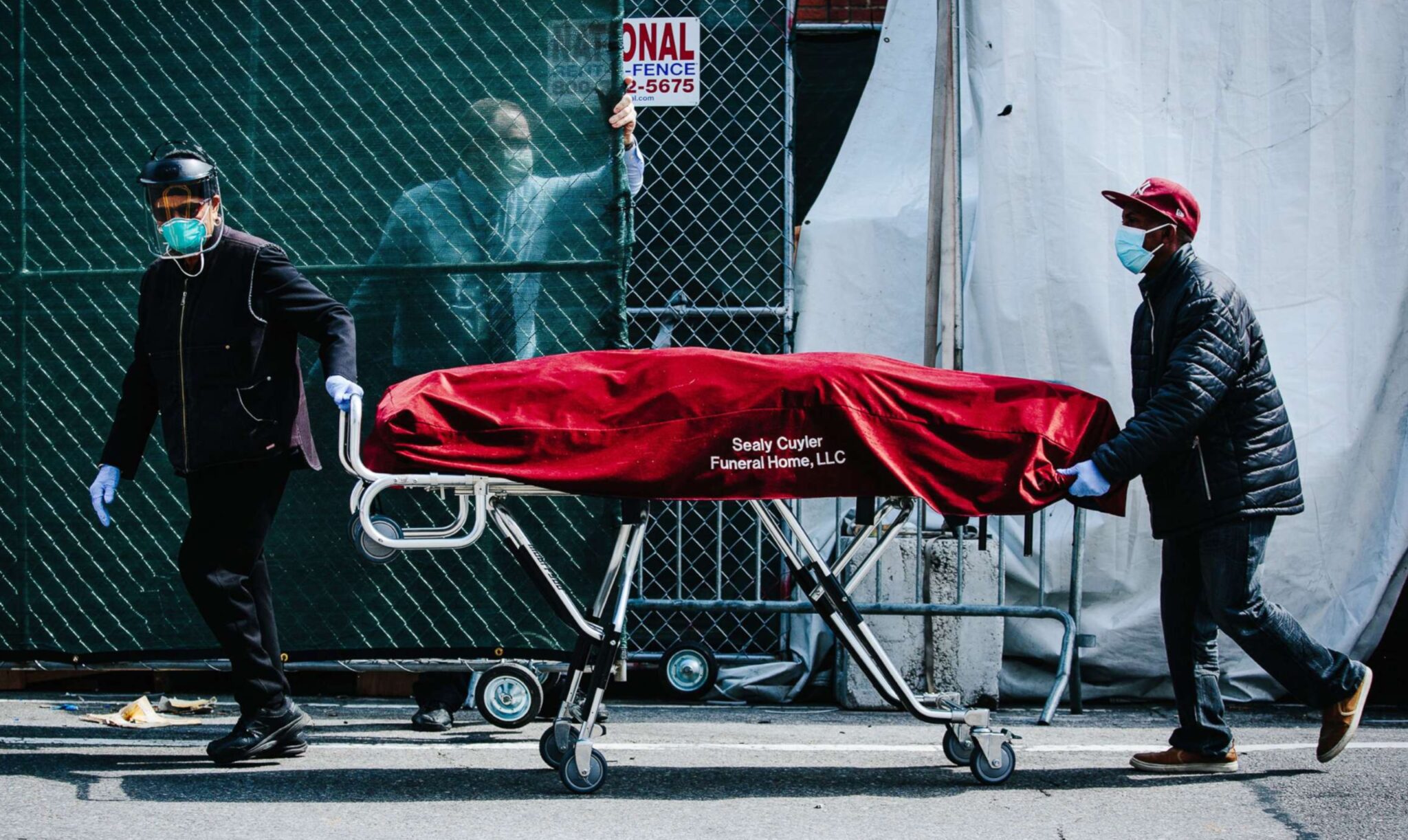

In the spring of 2020, New York suddenly found itself in the role of a city that, day after day, counted not the minutes until deadlines, but new cases of COVID-19. And Brooklyn—dense, noisy, vibrant—suddenly became one of those places where life for many residents began to shrink to the size of a hospital room. By March, the number of patients was increasing by the thousands each day, hospitals were filling up faster than morning subway cars in the Bronx, and there was a shortage of tests, as if they were being distributed according to some special logic that no one understood. Given all this, patients with milder symptoms were sent home to “rest it out.”
At the same time, healthcare workers themselves were falling ill en masse, and the system—once considered one of the most robust in the world—began to break down. The city that had spent decades teaching others how to manage chaos suddenly found itself facing chaos that defied management. And at some point, New York—and Brooklyn along with it—effectively lost control over the spread of the infection. You can read about how it all ultimately ended for the city at i-brooklyn.com.
The start of the epidemic
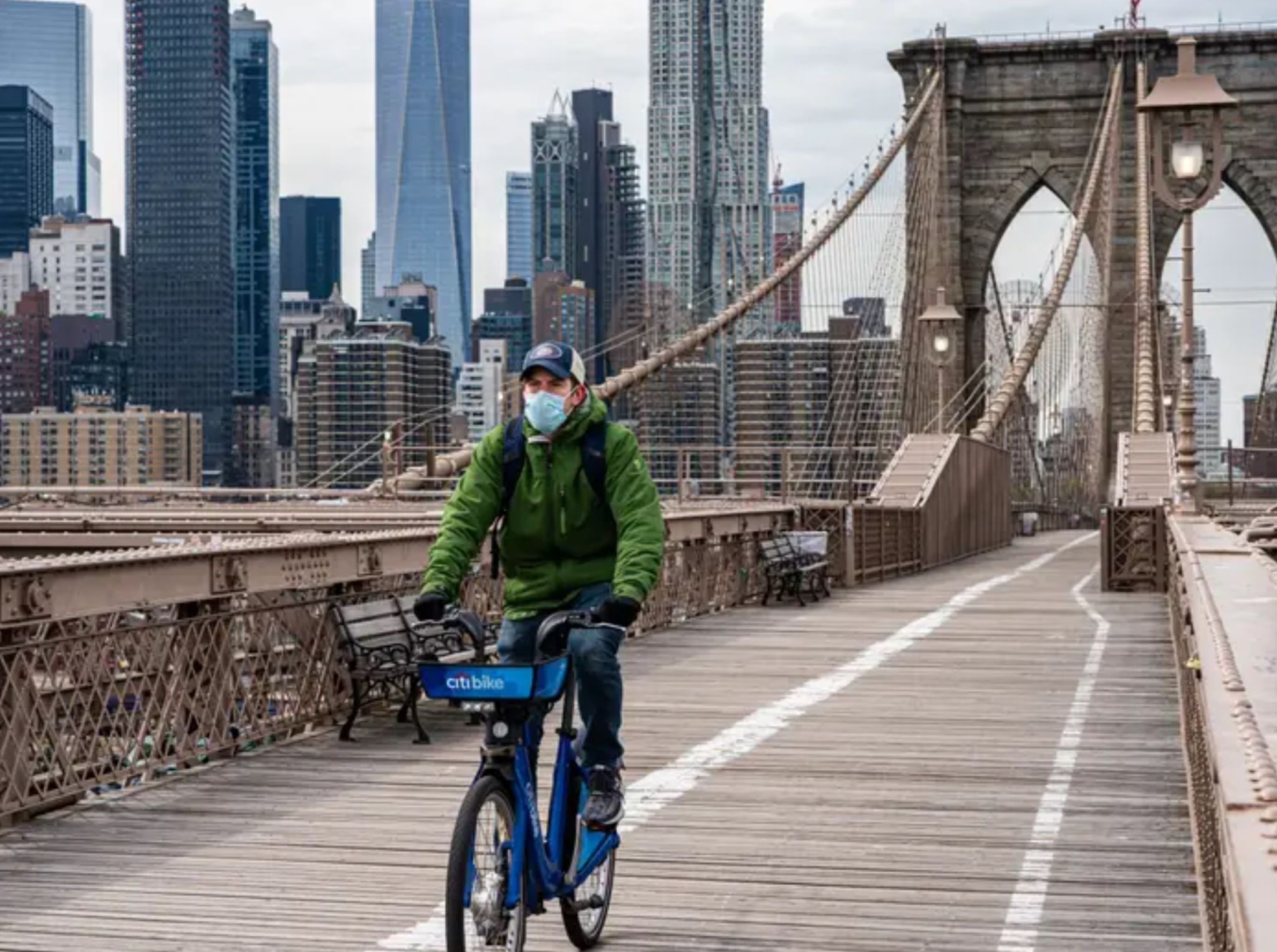
After the first confirmed cases of COVID-19 in New York, the city enjoyed roughly two weeks of a strange “lull”—the very period when news from China and Italy was already alarming, but still seemed distant, almost like something out of a movie. Doctors studied footage of overcrowded hospitals in Lombardy, reviewed the initial reports, and, evidently, quietly hoped it wouldn’t come to that.
It happened. And even faster than we could formulate clear instructions. When the virus truly hit Brooklyn, the healthcare system instantly switched to improvisation mode. They treated patients with whatever was at hand and at least seemed partially logical: oxygen support, aggressive treatment on ventilators (which later came to be considered a last resort), and “prone positioning”—turning patients onto their stomachs to expand their lungs and buy a little more time. At the same time, experimental drugs were being tested, such as hydroxychloroquine, which was later just as quietly abandoned due to its ineffectiveness.
In other words, medicine at that time did not look like an exact science, but rather like an urgent art of survival. And the numbers here paint a grim picture: by the spring of 2020, New York had already surpassed the 200,000 mark in confirmed cases. Tens of thousands of people found themselves in hospital beds, and more than 20,000 did not survive the first wave. On peak days, hospitalizations numbered in the thousands, and some hospitals admitted more patients in a single shift than they normally would in a week.
There was a shortage of literally everything: tests, personal protective equipment, medical devices, and, most importantly, staff. Dermatologists and orthopedists retrained as infectious disease specialists in a matter of days, hallways turned into makeshift wards, and the word “shortage” suddenly became the universal diagnosis for the entire system. The irony of the situation was that the fewer clear protocols there were, the more one had to rely on experience, intuition, and common sense—tools that may not always be sufficient, but were the only ones available at the time.
That’s how Brooklyn experienced a time when medicine was learning as it went—and paying dearly for every lesson.
COVID-19 in Brooklyn
When it became obvious that COVID-19 in New York was no longer a “local incident” but a full-blown disaster, the authorities did what they do best: they slammed on the brakes hard and all the way. On March 22, 2020, the PAUSE order went into effect: businesses closed, offices emptied, schools moved online, and the city that never sleeps suddenly received an order… to stay home.
In Brooklyn, it looked almost surreal: streets that had been packed just yesterday suddenly became suspiciously empty. According to various estimates, millions of New Yorkers found themselves in conditions of strict isolation—not formal, but a very practical “apartment geography,” where the “bed–kitchen–window” route became the norm.
The restrictions were backed up by more than just recommendations. Fines for violating social distancing or quarantine requirements ranged from $500 to $1,000. The police were given the authority to disperse crowds, playgrounds were cordoned off with tape, and the very idea of “getting together with friends” became an almost clandestine luxury.
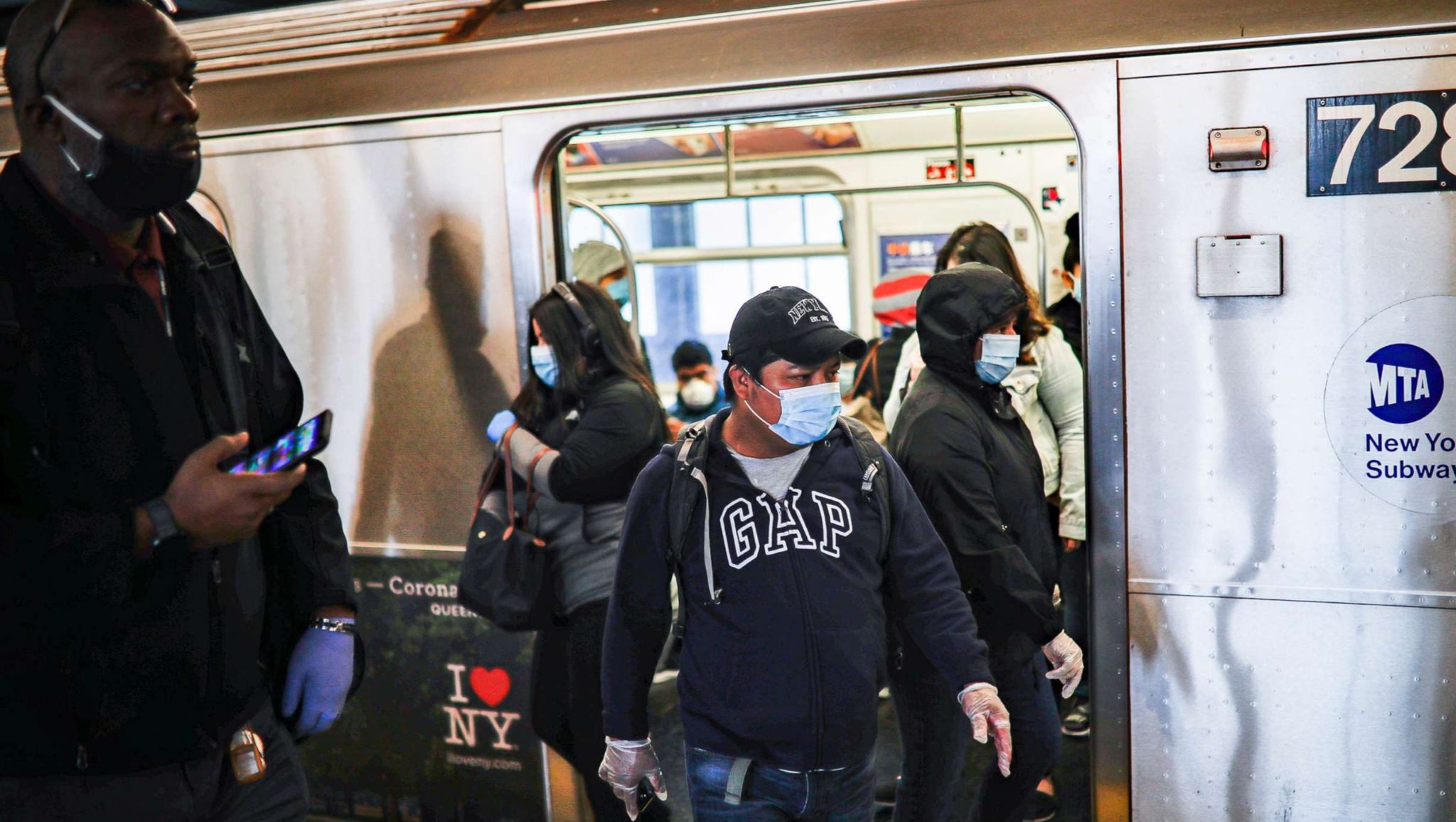
Masks are a whole other story. At first, there was a shortage of them, or people were “advised not to wear them unless absolutely necessary,” but within just a few weeks, they became mandatory in all public spaces. The irony is that a metropolis, which has always been associated with freedom of movement, very quickly shifted to a regime of strict instructions: where to stand, how to move, and what to wear on one’s face.
At the same time, the healthcare system was being restructured: hospitals were divided into “clean” and COVID zones, and temporary hospitals were set up, increasing the number of beds as much as the city’s physical space would allow. All of this looked like an attempt to catch up with a wave that had already engulfed the city.
There was a certain bitter logic to it: while medicine was learning to heal, the authorities were learning to restrict. And neither of these disciplines came easily to Brooklyn—but the city simply had no other choice at the time.
What it looked like from the inside
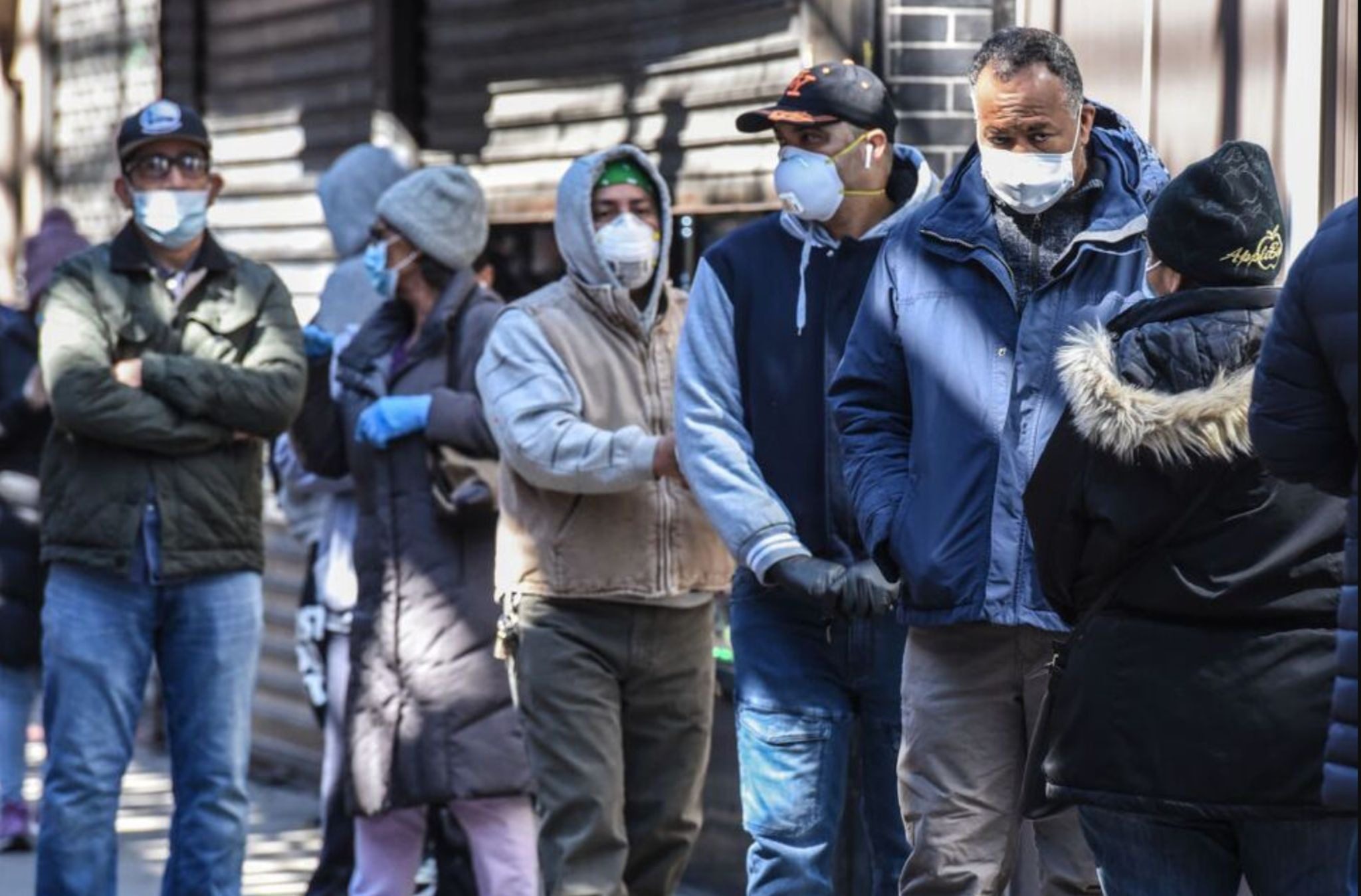
Within Brooklyn, this wave of COVID-19 felt far less abstract than it did in reports and news stories. These weren’t “cases” or “charts,” but specific apartments, frantic phone calls, lines of people, and individuals who suddenly found themselves alone with their vulnerability—in the literal sense.
One typical story from that time involved a person who felt fine just the day before but, within a few days, could no longer get out of bed. It started with a dry cough, followed by a debilitating fever and loss of smell, and then a strange weakness, where even a brief phone conversation drained all their energy. Doctors advised staying home, monitoring oxygen levels using pulse oximeters, and not panicking. The problem was that the advice to “not panic” didn’t work well when breathing became more difficult by the hour.
Many people were sick, confined to the space between the kitchen and the sofa. Telemedicine became the new normal: doctors consulted via smartphone screens, while patients took their own pulse and tried to determine the line between “still manageable” and “need an ambulance.” Help didn’t always arrive on time—the system was so overloaded that only the most severe cases were given priority.
The situation in hospitals was even more dire. Patients were housed in overcrowded wards and temporarily converted spaces. Medical staff worked in protective suits for 12 hours straight without a break that could be called rest. And yet, it was there that the most important thing took place—the fight for life, defying the odds.
Survival depended on factors that are difficult to reduce to a formula: age, health, reaction time, a bit of luck, and a lot of resilience. Some people got through the illness relatively easily, while others ended up in intensive care but returned home changed.
When survival is the exception
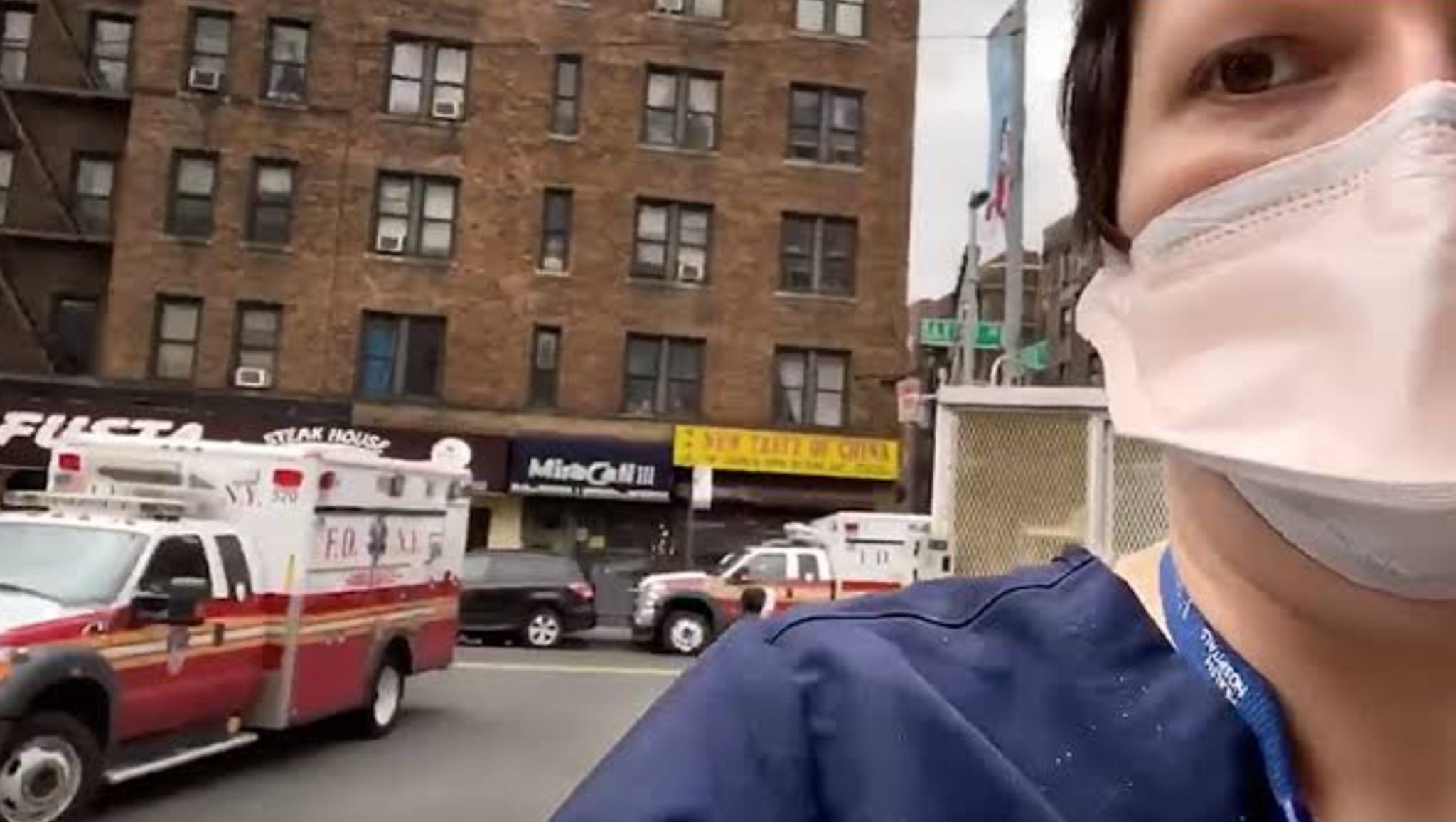
Paradoxically, it was during this forced isolation that new forms of urban solidarity emerged. Neighbors who hadn’t spoken to each other in years began leaving bags of groceries at each other’s doors; volunteers delivered free medication to the elderly; residents coordinated aid through neighborhood chat groups. A city that usually lives at a frantic pace and in anonymity was forced to remember a simple truth—there is someone alive behind that wall, too.
Perhaps the most accurate way to describe that period is this: survival was no feat—it had become a daily routine task that every Brooklyn resident tackled in their own way. It was a time of great fear, but also of great humanity, which ultimately helped the city wait out the summer—not as a symbol of victory, but as the first breath after a long pause.
Sources:
- https://www.cbsnews.com/news/coronavirus-nyc-brooklyn-hospital-center-patients/
- https://www.nychealthandhospitals.org/annual-public-meeting-brooklyn-2020/
- https://medicine.buffalo.edu/alumni/classnotes/news.host.html/content/shared/smbs/news/2020/06/covid-19-holmes-brooklyn-hospital-11347.detail.html
- https://pmc.ncbi.nlm.nih.gov/articles/PMC8233409/