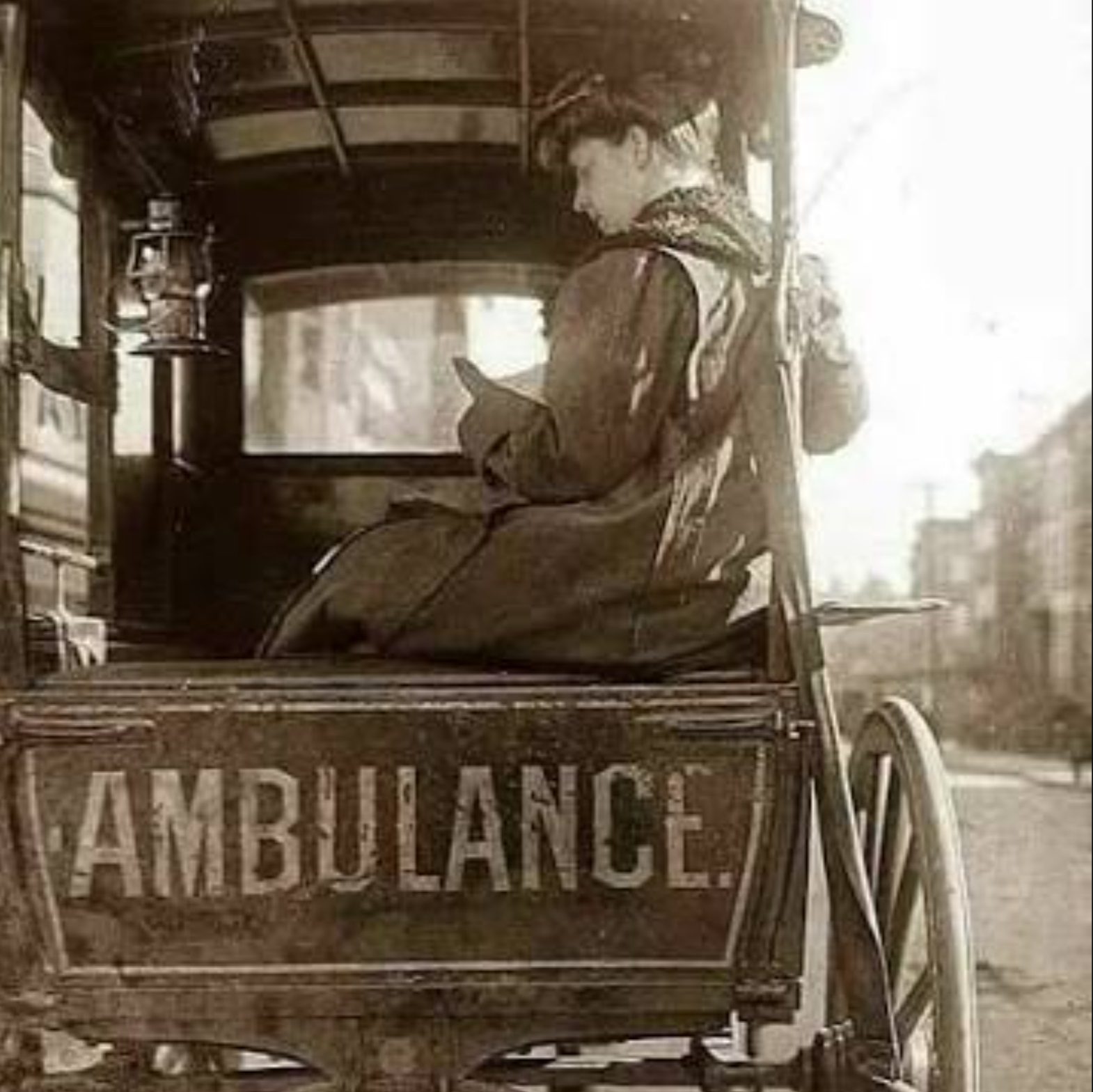

It’s easy to underestimate the history of Brooklyn’s ambulance service, since these days sirens have long since become a familiar part of the city’s soundscape. But that’s a mistake. Just half a century ago, horses roamed the city instead of cars, haste and hope replaced flashing lights, and instead of modern emergency crews, there were just a few people doing their utmost to get the patient to the hospital in time.
From those first ambulances to today’s emergency vehicles, it hasn’t just been an era that has passed—the very concept of saving lives has changed. And if you stop to think about it, the number of people this system has literally pulled back from the brink of death has long been impossible to count. Thousands? Tens, or perhaps even hundreds of thousands? Probably more than even Brooklyn himself could imagine. To learn more about how this service was formed and what it has had to go through, read the full story at i-brooklyn.com.
Hospitals and horse-drawn carriages
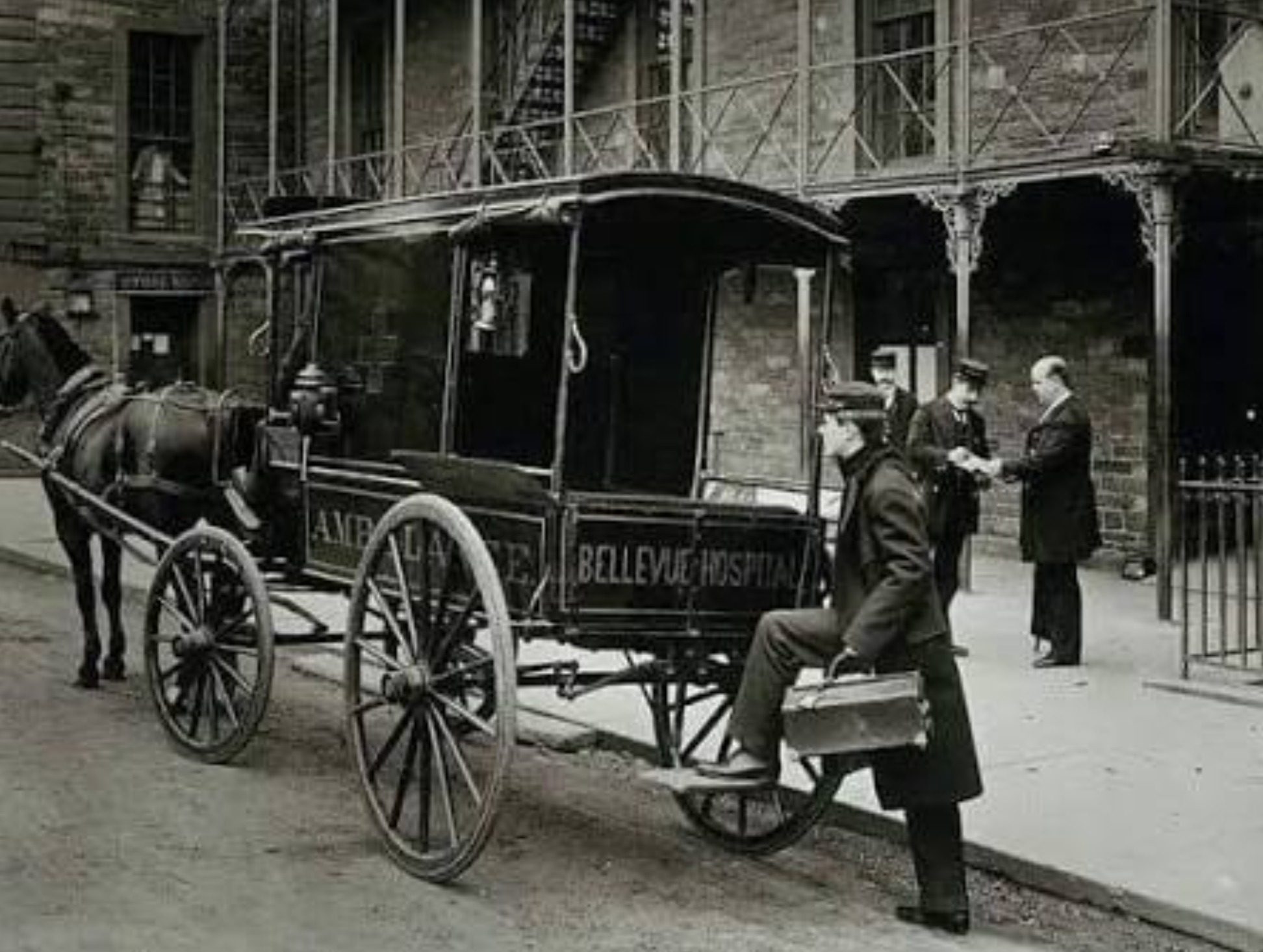
It is known that the first systematic attempts to establish an “ambulance service” emerged as early as the late 18th century, thanks to Dominique Jean Larrey—Napoleon Bonaparte’s military surgeon. It was he who invented the so-called “flying ambulances,” that is, mobile teams that picked up the wounded directly from the battlefield rather than waiting for the battle to end. For its time, this was a revolution, because in such a situation, speed offered a chance of survival.
In the United States, this idea was taken up much later—somewhere in the mid-19th century. During the Civil War, it was actively developed by Jonathan Letterman, who established a more or less organized system for evacuating the wounded.
Today, Jonathan Letterman is revered as an outstanding 19th-century American surgeon who went down in history as the “father of field medicine.” His reforms during the American Civil War laid the foundation for modern emergency medical services and emergency medical evacuation systems.
But as far as Brooklyn is concerned, it was more of an initiative by the hospitals themselves, specifically Long Island College Hospital. They simply faced a practical problem: patients couldn’t get to the hospital in time. So, if people couldn’t make it to the hospital, the hospital would send horses to pick them up and try to bring them to the hospital.
Of course, in the 19th century, Brooklyn had neither sirens nor ambulances as we know them today. Help arrived more slowly than one would have liked, but faster than the medicine of the time could afford. One of the pioneers was Long Island College Hospital—it was there that one of the first organized patient transport services emerged.
The system worked quite simply, yet it was emblematic of the era. If someone was in trouble—on the street or at home—they would run to the nearest police officer or station. The police would immediately relay the message to the hospital, and an ambulance crew would be dispatched from there. No dispatchers, no algorithms—just the chain of “saw—ran—called.”
A horse-drawn carriage would set out on the call with a driver and, if they were lucky, a doctor or a medic. Inside, there were minimal amenities: a stretcher, a blanket, and basic instruments. The main task was not to treat but to transport. Quickly—as much as the roads, weather, and the horse itself would allow.
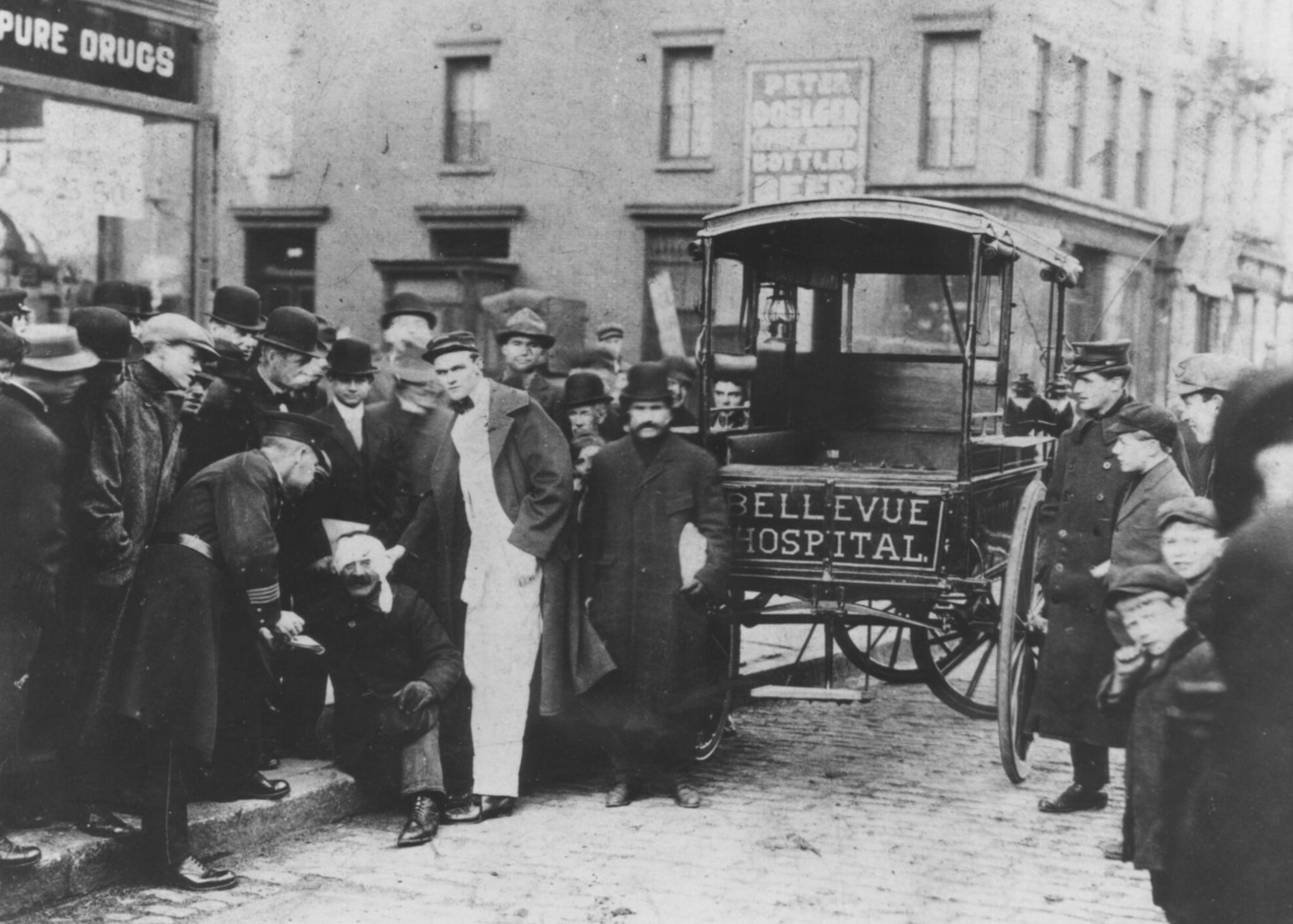
The irony is that “speed” back then was measured not in minutes, but by circumstances. Rain, mud, or traffic jams caused by carts could easily turn an urgent call into a long trip. But even in this form, the system was a breakthrough: for the first time, there was an understanding that the patient should not be waited for but picked up.
In fact, it was these crews who laid the foundation for the future service: imperfect, slow, but already organized. And while today’s ambulance service in Brooklyn is all about seconds, back then it was about a chance that often didn’t even arise.
An ambulance that provides treatment on the go
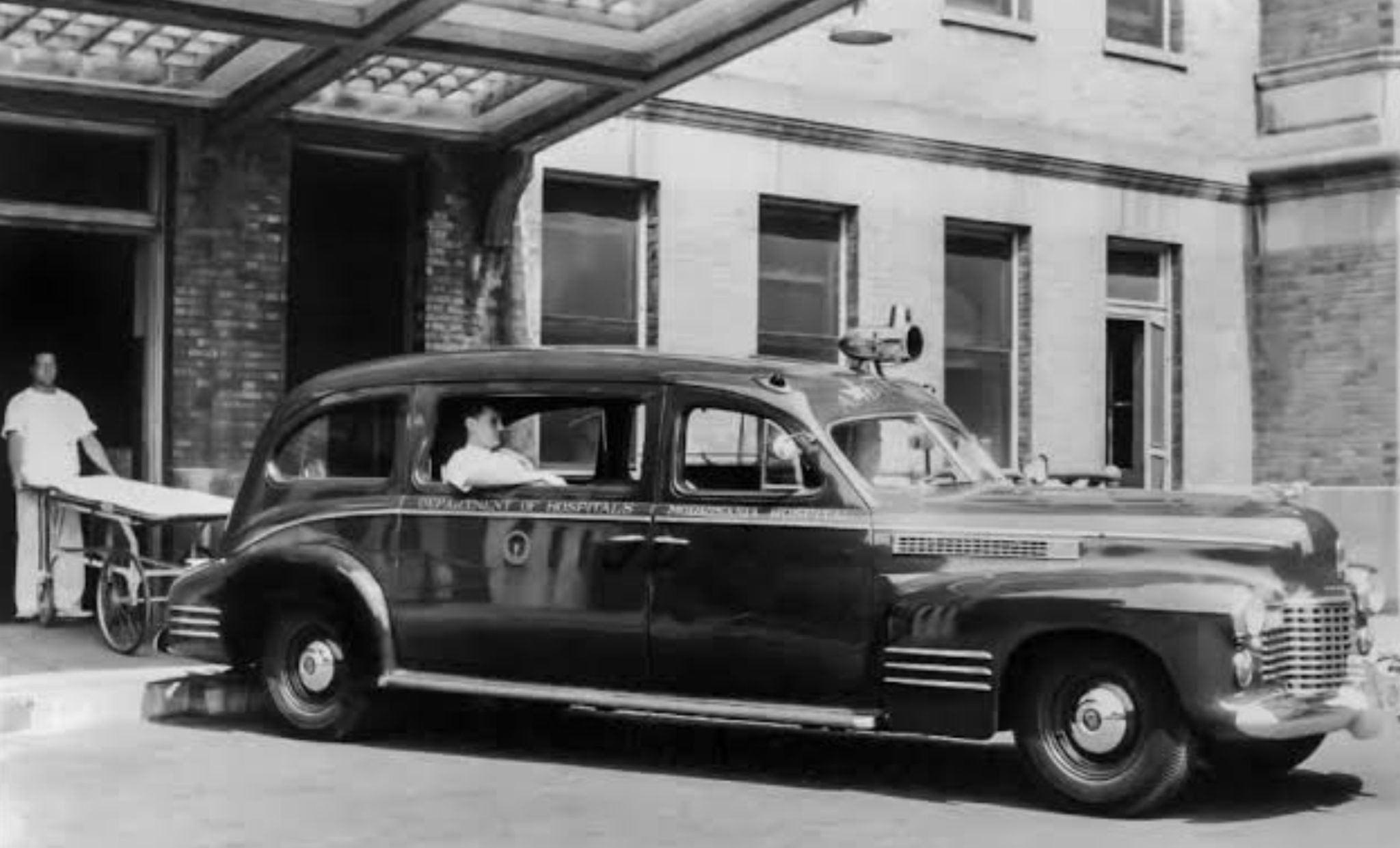
Surprisingly, this semi-improvised system lasted in Brooklyn almost until the mid-20th century. Yes, horses were replaced by engines, and carriages by cars, but the essence remained the same for a long time: an ambulance is, first and foremost, a means of transportation. Hospitals had their own vehicles, doctors sometimes went out on their own, and in some cases, the police even picked up the injured. Whoever was closest would provide aid. It was a matter of luck.
There was no single standard. There were no clear training protocols or systems to ensure that everyone received the same level of care. In fact, it was a high-stakes gamble.
The turning point came in the 1960s and 1970s. And not because new technology suddenly appeared—but because people’s thinking had changed. In the U.S., people began to seriously discuss the fact that people were dying not only from injuries but also due to the lack of timely care on the way to the hospital. It was then that something emerged that today seems obvious:
- systematic training of emergency medical personnel;
- the first fully staffed paramedic teams;
- standard operating procedures for emergency calls.
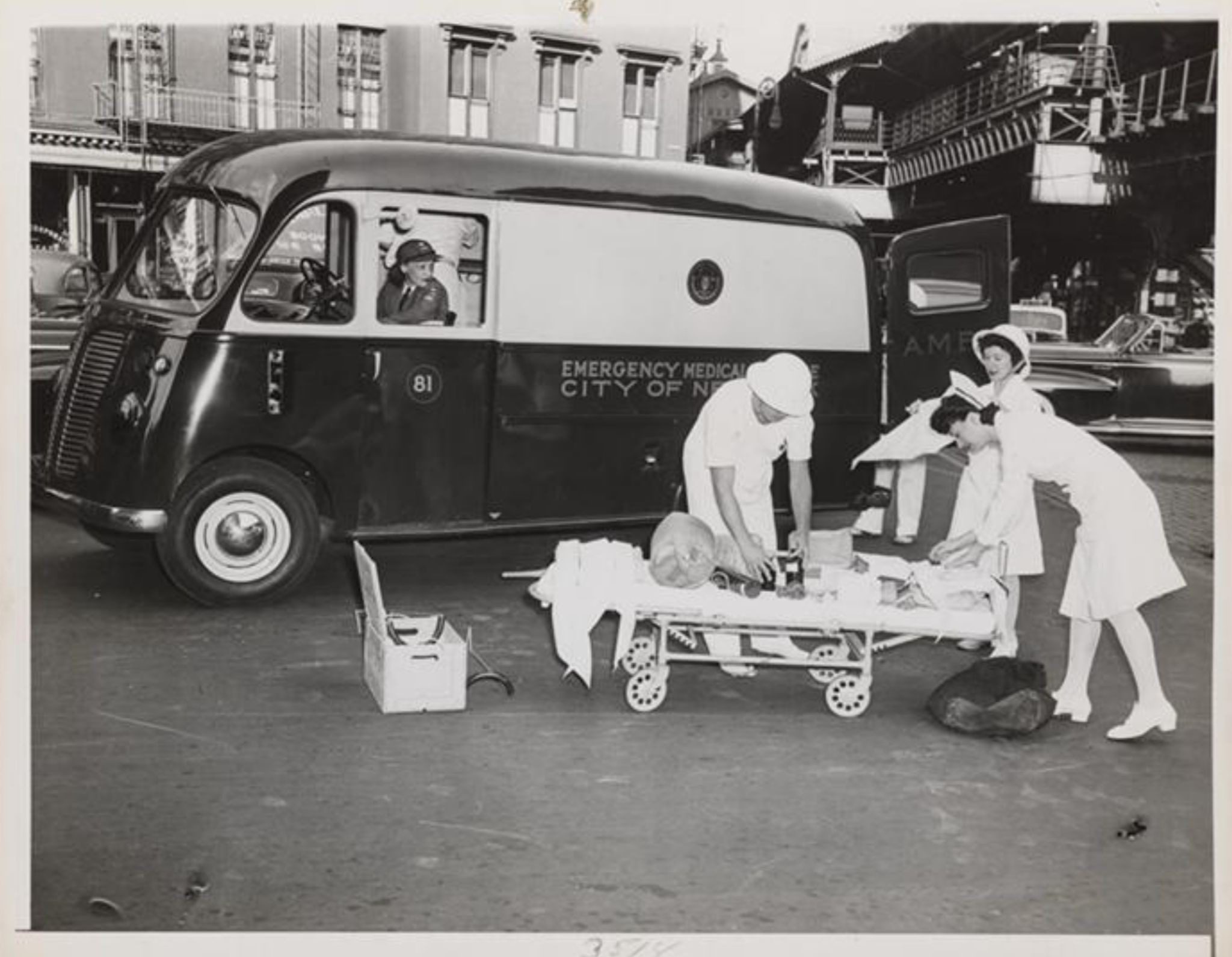
And most importantly, everyone saw or even experienced firsthand the ambulance’s new role. Whereas its previous task was simply to “transport” patients, its mission now is to stabilize and save lives even before arriving at the hospital. Oxygen, defibrillation, initial medication—all of this is now being administered right at the scene.
It sounds like an obvious step, but in reality it was a quiet revolution. Because it was at that very moment that the ambulance in Brooklyn ceased to be merely a mode of transportation and became what it is today—the first line of medical care, which often determines whether a person will even have a chance to make it to the hospital.
The Birth of the 911
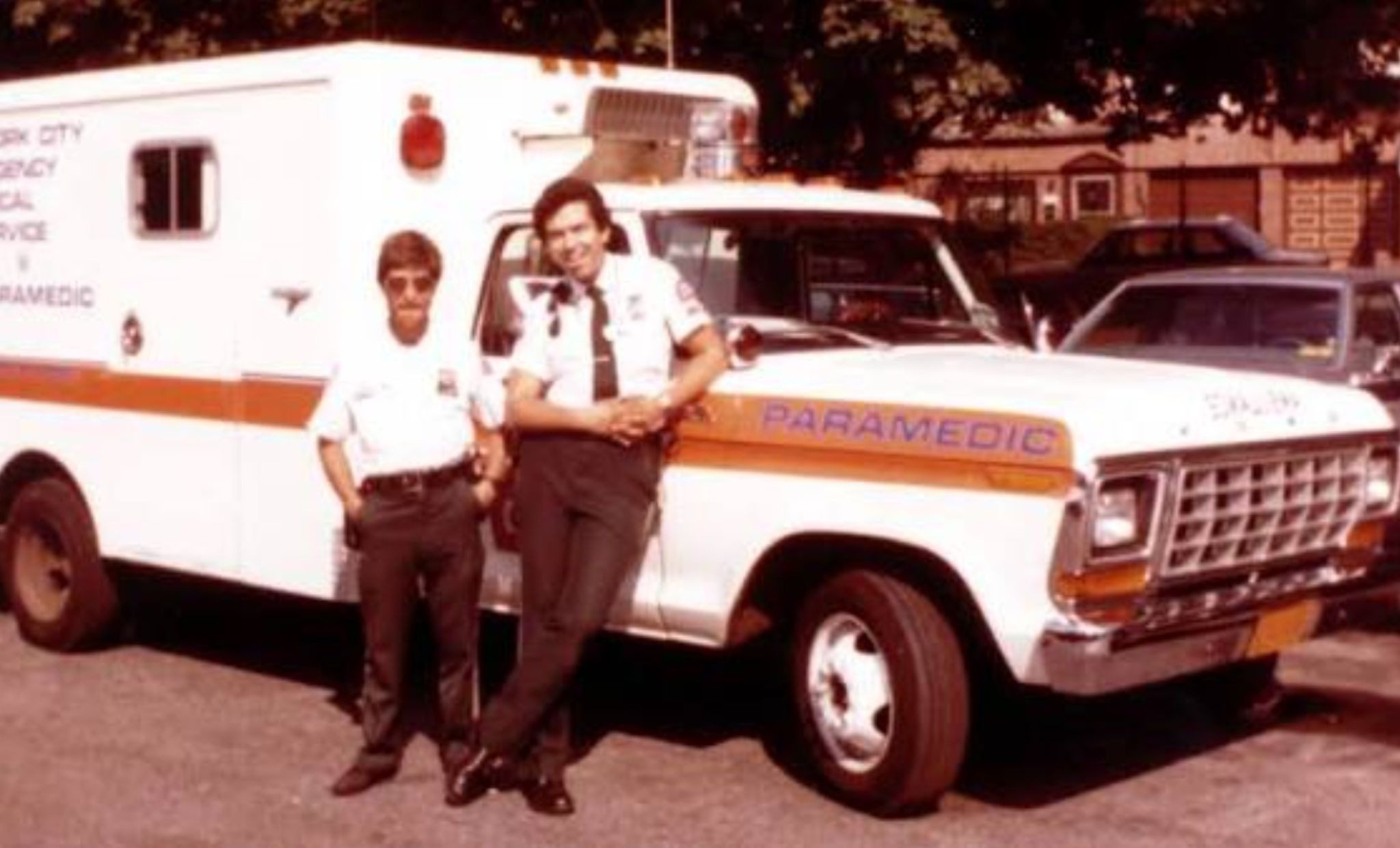
Until the 1990s, Brooklyn existed in a paradox: the ambulance service was already capable of saving lives, but the system that coordinated it remained a mystery. City crews, hospital services, and private and volunteer teams all worked simultaneously, sometimes overlapping, sometimes duplicating each other’s efforts. The 911 system already existed, but behind it lay not a single clear structure but a complex mechanism with many “ifs.”
The turning point came in 1996, when city officials decided that things could not go on as they were. The emergency medical services were merged with the Fire Department of the City of New York. While this decision appeared to be merely administrative, in practice, it amounted to a systemic overhaul.
So what has changed? First of all, a single command center has been established. 911 is no longer just a number; it has become a true point of entry where every call goes through dispatchers, algorithms, and a clear response protocol.
Second, standards were standardized. Medical training, vehicle equipment, and protocols—everything was brought up to a common standard. The element of chance, which until recently determined a patient’s chances of survival, began to be replaced by a systematic approach.
Third, speed and coordination have improved. Firefighters, medical personnel, and dispatchers have become part of a single organization, rather than simply colleagues in the same profession.
Of course, that didn’t make the system perfect. A big city always presents more challenges than one would like. But after 1996, the ambulance service in Brooklyn finally ceased to be a collection of separate services and became what it is known as today—a single, complex, and constantly strained system where time is measured not in hours or even minutes, but in seconds.
Emergency Medical Services — Today
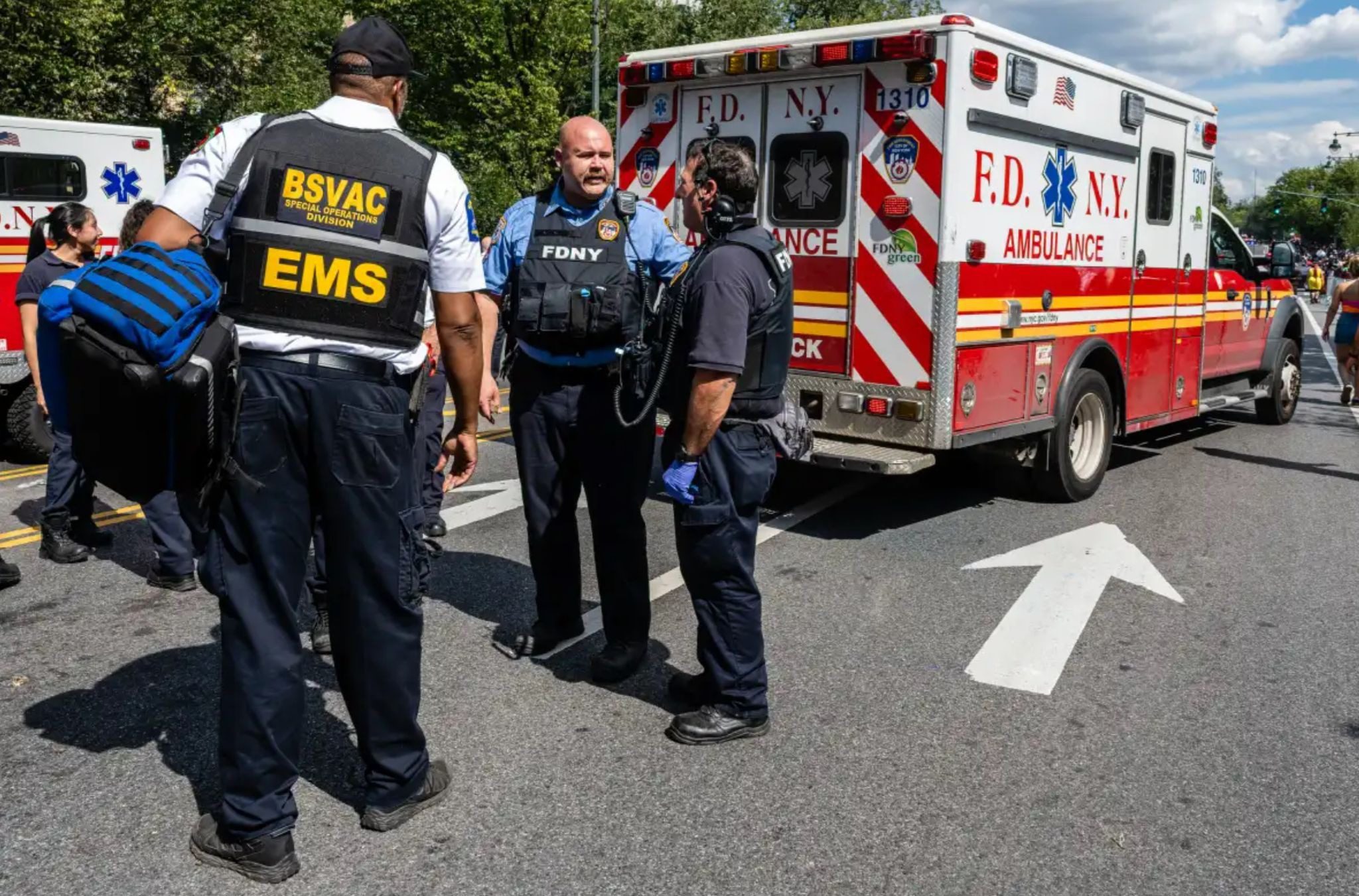
These days, Brooklyn operates on a 24/7 basis: hundreds of thousands of calls each year, dozens of crews on the move, specialized units, and even mobile stroke labs where diagnosis begins even before the patient reaches the hospital. The ambulance service has long been part of the city’s rhythm—as familiar as the sound of the subway or the lights in windows at night. It is complex, high-tech, and, despite everything, overburdened.
But in this race against the clock, it’s easy to forget one simple thing: it all started with a slow horse and a wooden cart that was just trying to keep up. And it seems that almost no one in Brooklyn remembers that anymore.
Sources: