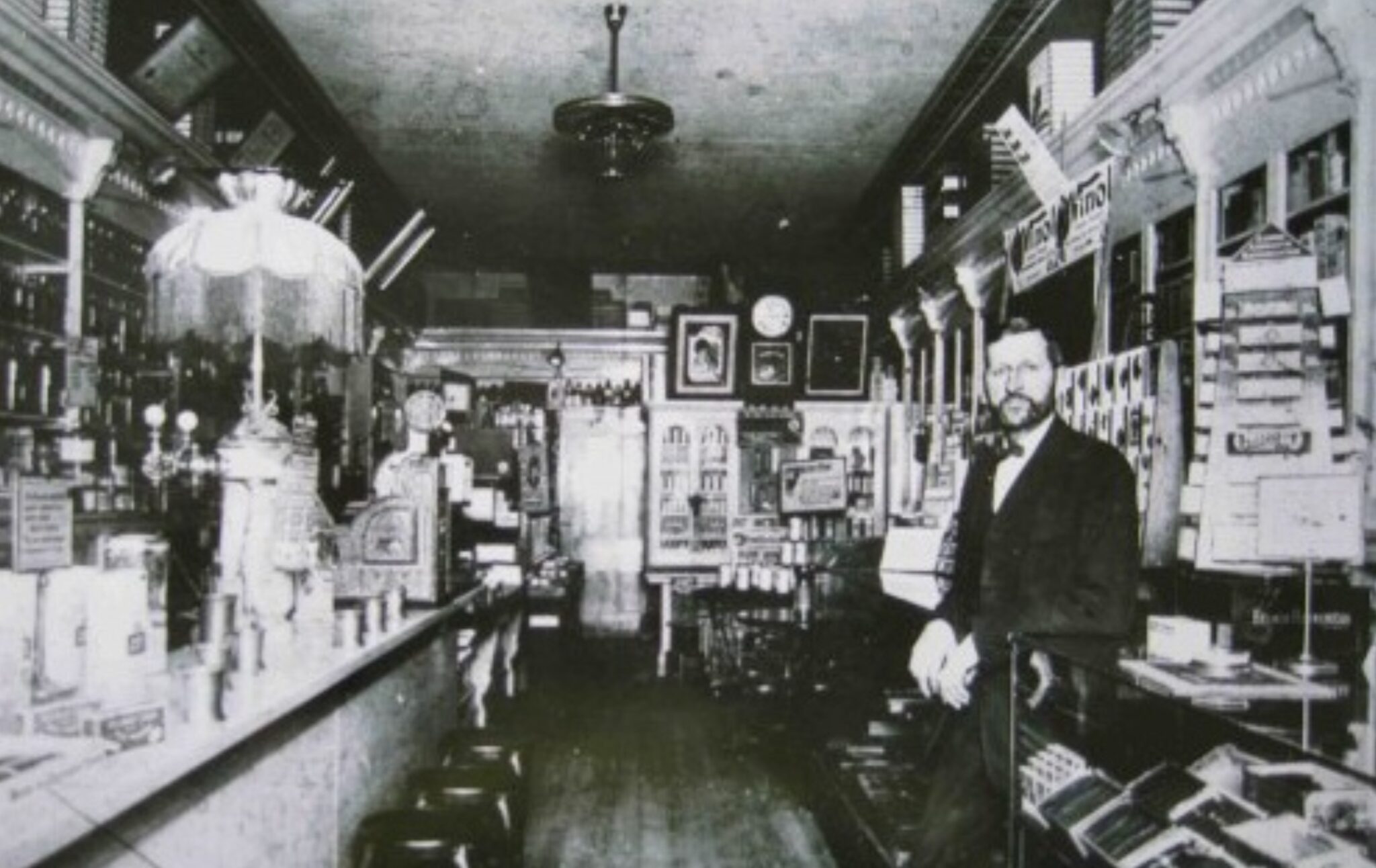

American pharmacies have come a long way from colonial times to modern automated pharmacies. Evolutions in pharmacy education and changes in the regulatory system have also changed the roles of pharmacists, both in the country and in Brooklyn, in particular. For more on the development of pharmacy in Brooklyn and its history, see i-brooklyn.com.
The birth of American pharmacy
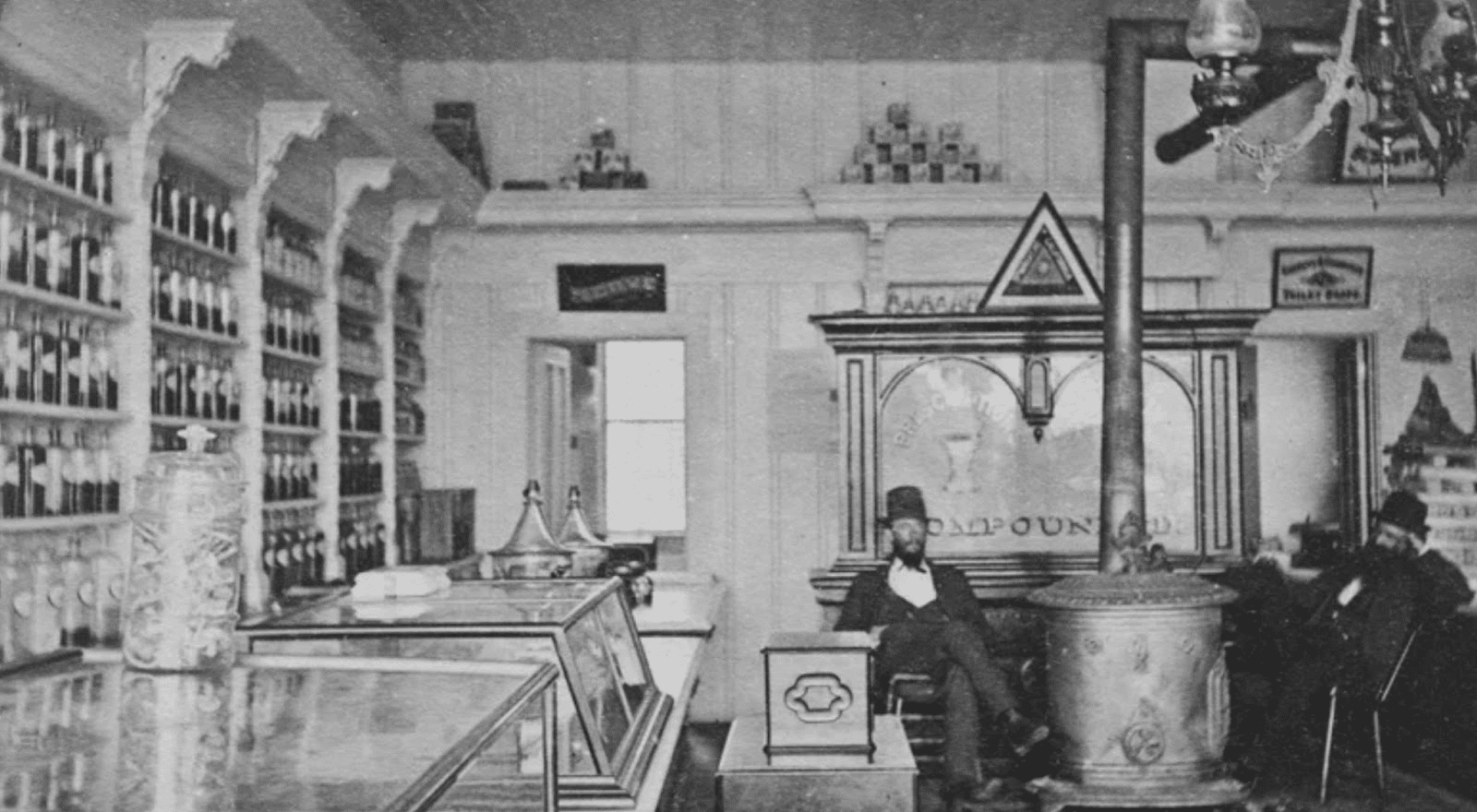
In 1630, Governor John Winthrop, who is considered the founder of Boston, hired British pharmacist Robert Cook to prepare medicines based on herbs imported from England using other natural ingredients. This is how pharmacology began in the United States.
But it was not a hundred years later, in 1729, when the Irish immigrant Christopher Marshall came up with the idea to open a pharmacy in colonial America, which became one of the first in the country. It was located in Philadelphia. Interestingly, Marshall’s granddaughter, Elizabeth Marshall, took over her grandfather’s business in 1805, becoming the second pharmacist in the United States. By the way, the first one was Elizabeth Hooking Greenleaf, who bought a pharmacy in Boston in 1727.
In order for qualified pharmacists to appear in the country, they had to be trained. Initially, the way to the pharmaceutical profession was through an apprenticeship under the guidance of a well-known, working pharmacist. But later on, pharmacy schools began to open in the country, which shifted education to colleges. The early colleges offered a graduate degree in pharmacy, which could be converted to a degree in pharmaceutical chemistry, which required another year of study.
If early American pharmacies were called pharmacies, as you know, this word comes from the Greek storeroom, warehouse, then pharmacists were often called pharmacists or chemists. Their duties included the preparation and dispensing of medicines, and a chemist could also advise a patient. Until the nineteenth century, the title “pharmacist” was standardized for all pharmacy workers. After that, for more than 50 years of the twentieth century, pharmacists prescribed, manufactured, and dispensed medicines, as well as provided consultations to patients.
But in 1951, an amendment to the Federal Food, Drug, and Cosmetic Act of 1938 was passed that changed the role of pharmacists. It was the Durham-Humphrey amendment. Until then, pharmacists could prescribe and dispense any medicine, with the exception of narcotics. This amendment restricted pharmacy workers by allowing them to dispense medicines only with a doctor’s prescription. All other recommendations of pharmacists, according to the document, were limited to over-the-counter medicines, and their role shifted to dispensing medicines and ensuring their safety.
Pharmaceutical education
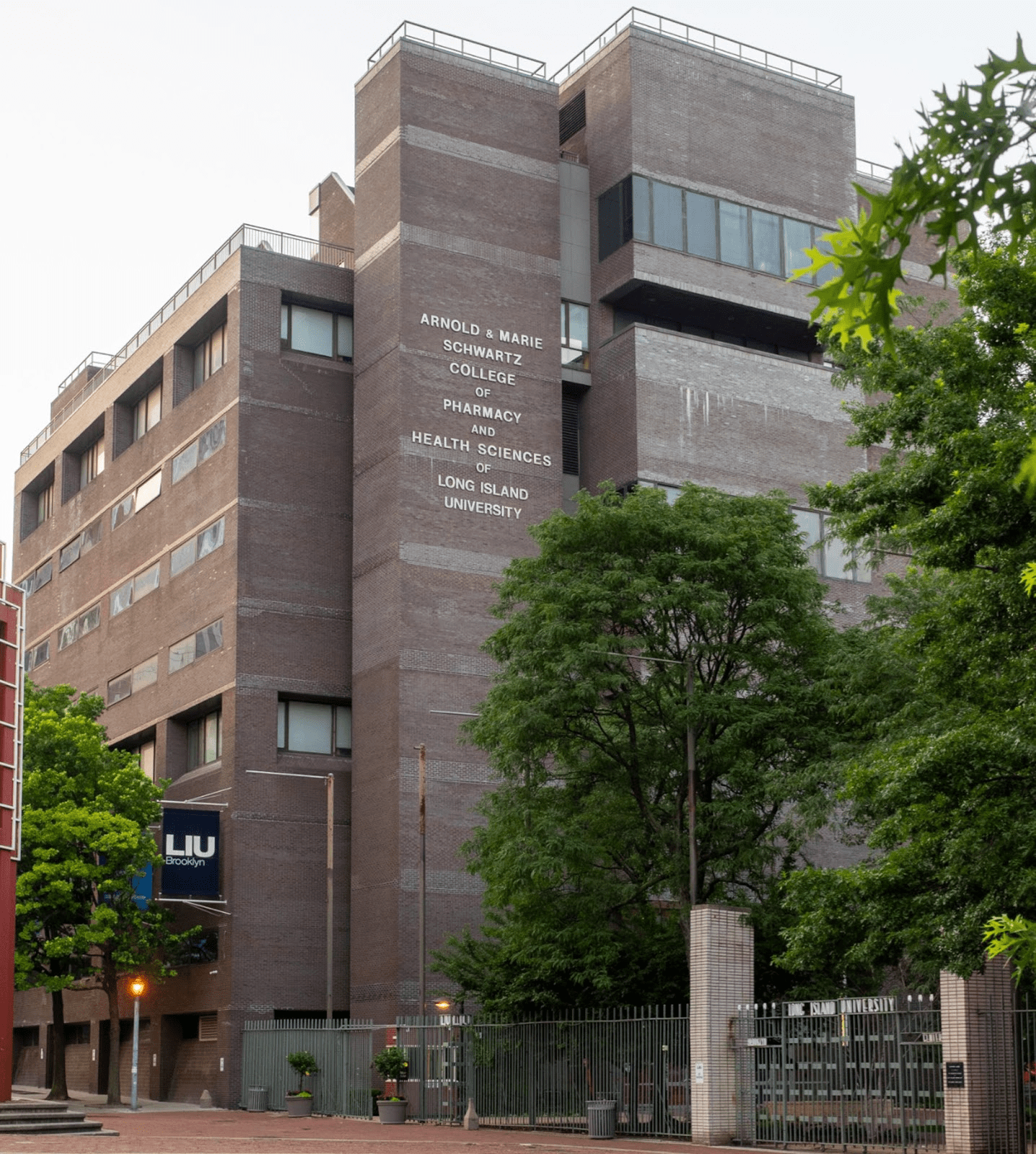
In terms of education, Brooklyn was one of the first cities in the United States of America to open a specialized college. It was the Brooklyn College of Pharmacy, which was founded in 1886. The opening of the specialized educational institution was initiated by the Kings County Pharmaceutical Society. All this happened three years after the Brooklyn Bridge was opened.
In the beginning, the college offered a course of lectures for pharmaceutical clerks in Brooklyn. But later, in 1889, a fundraising campaign was launched, and the idea of making the college a recognized specialized educational institution emerged. It was planned to issue diplomas in pharmacy. Thus, on October 1, 1891, the first official course of study began.
A year later, the first class of Brooklyn pharmacists graduated. The students of that time attended lectures in a two-room apartment on the second floor of an old building located at 399 Classon Avenue. Interestingly, the apartment’s kitchen was a laboratory, and the living room served as a lecture hall. It is also known that among the graduates of that year was William D. Anderson, PhD, who later became the dean of the college.
At the beginning of the 20th century, in 1903, the college moved to 265-271 Nostrand Avenue. This was the first purpose-built building, which was a three-story brick and stone building that was erected and fully equipped for teaching. Another good reason for the move was the fact that the number of students had exceeded the capacity of the old building on Classon Avenue.
Despite the fact that in 1929 the college joined the newly founded Long Island University, it nevertheless retained its own Board of Trustees and its own independence. That same year, the college moved into another new building at 600 Lafayette Avenue. It was a five-story modified building that included laboratories and classrooms. Everything was done in the Gothic style. Moreover, the future pharmacists had a gym at their disposal, which was immediately taken up by the college’s basketball team, which, by the way, was a member of the Intercollegiate Pharmaceutical League.
Work during the Second World War
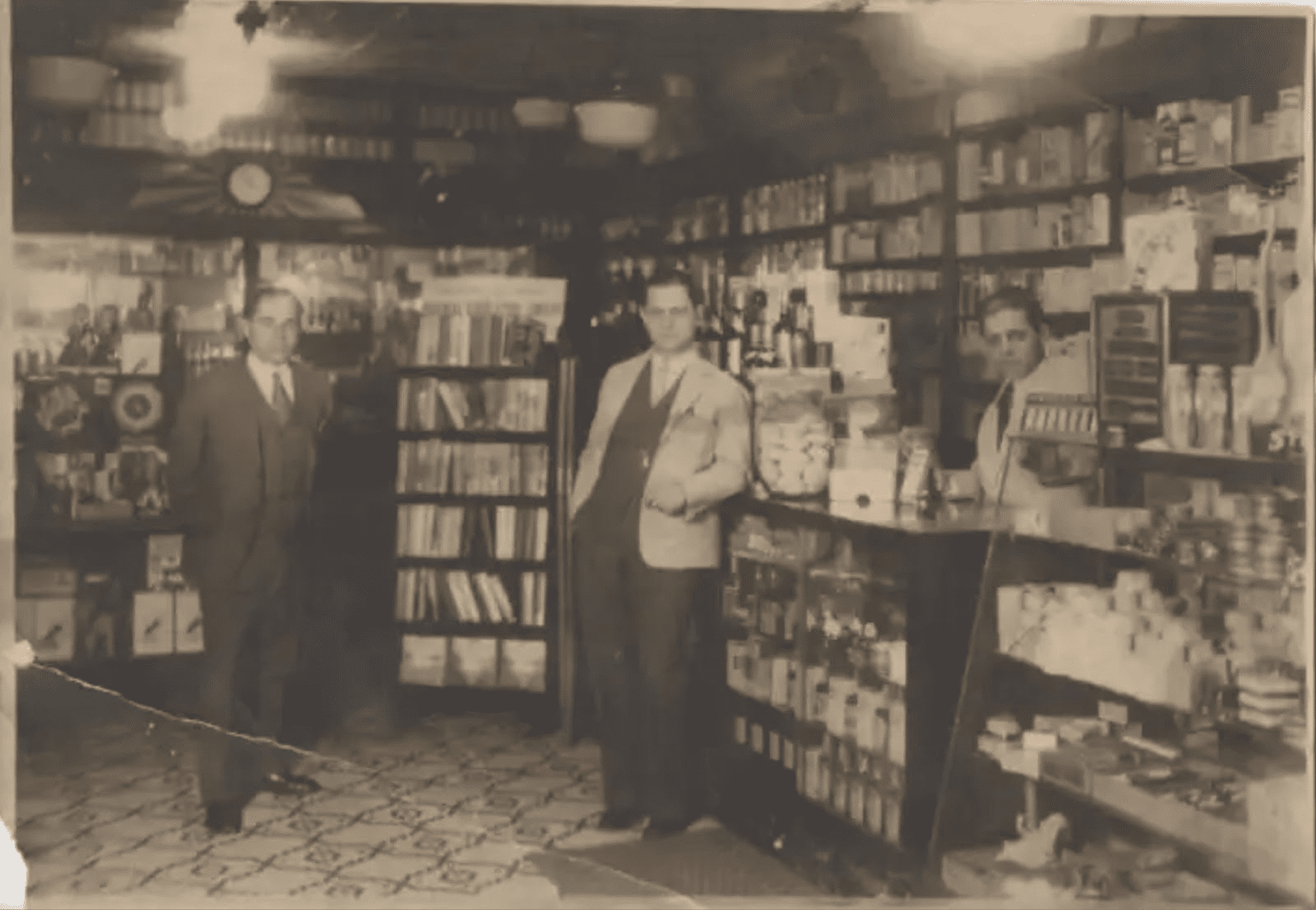
During the pre-war period and during World War II, starting in the early 1940s, the institution offered an accelerated course of study in addition to the traditional four-year program introduced in 1932. The new program was designed to last three years. It allowed those who had been called up for military service to meet the urgent need for pharmacists and other health care professionals in the U.S. military.
At the beginning of the new millennium, in May 2002, the first entry-level students of the College who majored in pharmacy were awarded a Doctor of Pharmacy degree. Since then, a new computer laboratory of information technology, which included 29 stations and a new physical assessment laboratory, has been in operation at the college.<a29
Construction began on a pharmacy laboratory that was designed to provide simulation of pharmacy practice. As the college has developed, it can be said that today it is one of the leading pharmaceutical educational institutions where they try to achieve true excellence in the education of future pharmacists.
Incredible transformation of Longoz Apteks
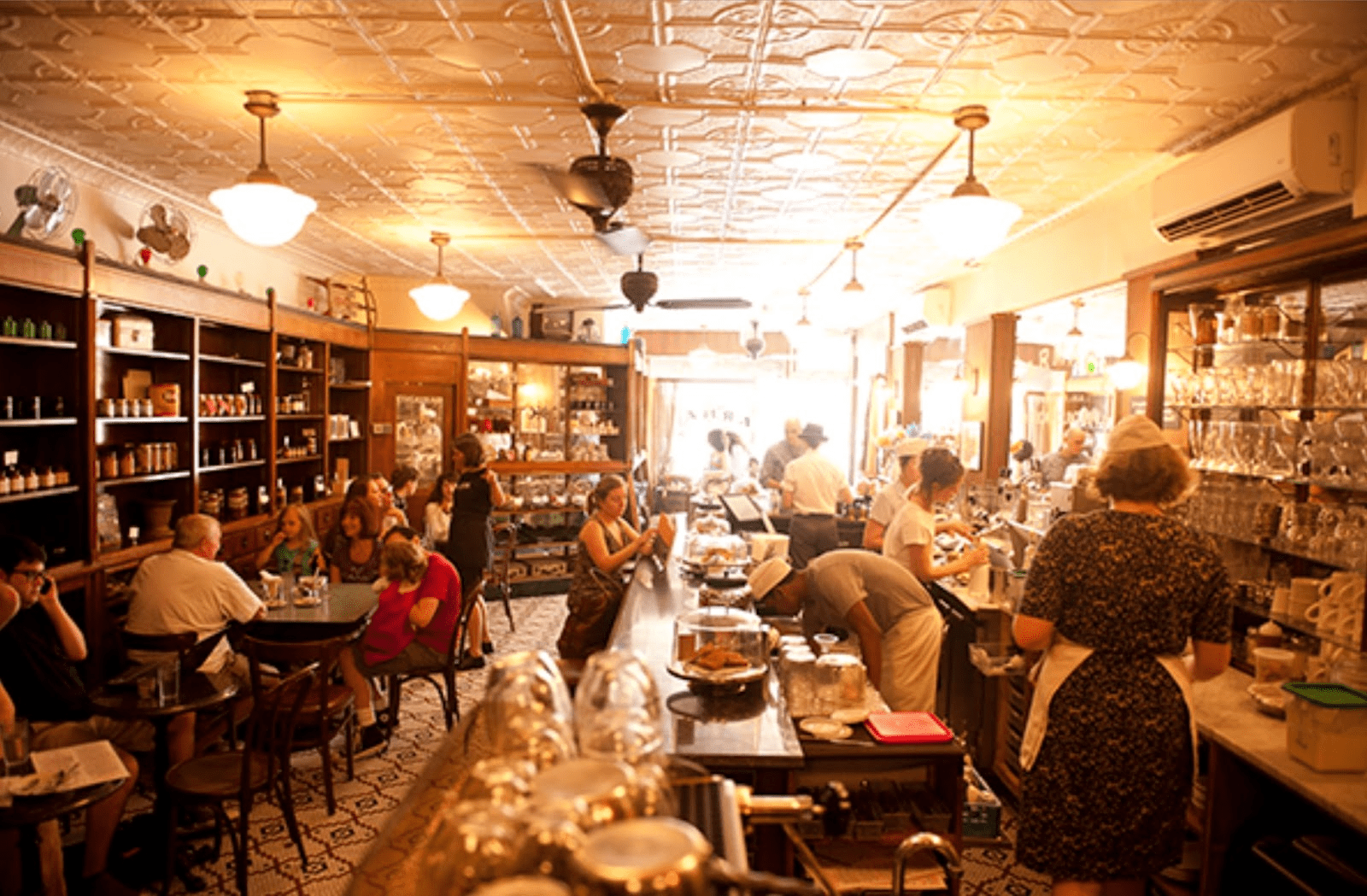
But let’s return to Brooklyn’s pharmaceutical history. Pharmacies in Brooklyn at that time were not just places where medicines were sold. They were true centers of knowledge and wisdom. Pharmacists not only prepared medicines, but also revealed the secrets of medicinal plants, explaining their properties and therapeutic uses. In addition, pharmacies even became meeting places where people sought medicine and advice on health and well-being, turning pharmacists into respected advisors in their communities.
There were quite a few such pharmacies in Brooklyn, and accordingly, quite a few pharmacists. But we will tell the special story of Longoz Apteks. This pharmaceutical establishment operated from the 1900s. In 1960, the pharmacy was closed until it reopened in the 1990s. But the most interesting thing happened to it in the new millennium.
In 2010, the premises came back to life once again. And although the cherished words Brooklyn Farmacy remain in the name, something else is sold here now. First, a modern soda fountain has appeared here, and second, refreshing carbonated drinks with a hint of chocolate or vanilla are offered. Third, and most interestingly, the premises were renovated as part of the Discovery Channel’s Building Intervention show, i.e., free of charge. That’s right, the once-neglected pharmacy, which had served as a community hub for a century, continued its work, creating new memories for people of all ages and backgrounds.
Sources: