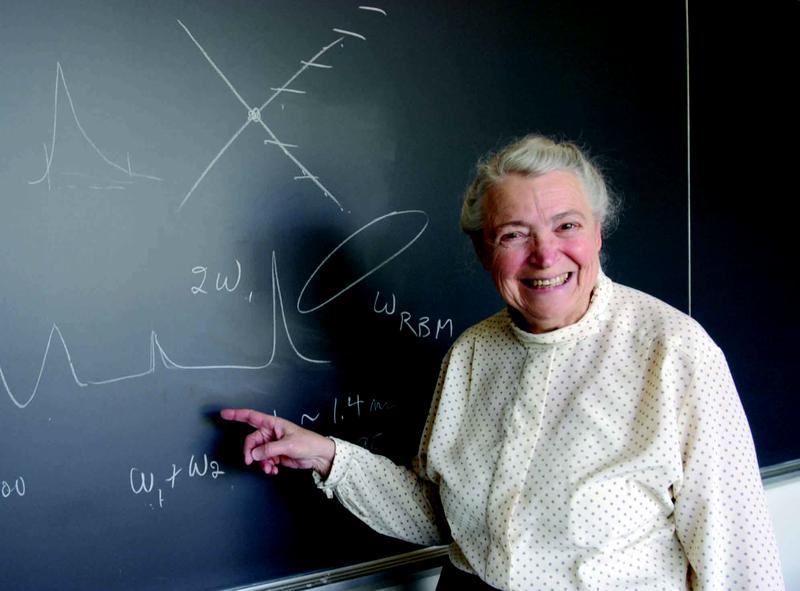

The 20th century was a period of rise for women in various fields. Their path was not easy. In science, women faced particular challenges, and few achieved great success. However, Mildred Dresselhaus became the most famous Brooklyn scientist in the field of physics. Learn more at i-new-york.
Free museums
Mildred Dresselhaus was born in Brooklyn in 1930. Four years later, her family moved to the Bronx. They were considered victims of the Great Depression, so the girl had to start working at a young age. She not only helped her mother with household chores but also worked at a zipper factory.
At that time, city museums were free to enter. Dresselhaus took advantage of this and visited all the existing museums multiple times. This is where her passion for science began.
She studied at Hunter College High School. Mildred was the top student in her class. Dresselhaus earned her pocket money by offering tutoring services.
She continued her higher education at Hunter College, where she was lucky to be a student of Rosalyn Yalow in the late 1940s. While at the university, her tutoring skills came in handy as well. After World War II, the US government launched the G.I. Bill program, which aimed to help former soldiers return to education.
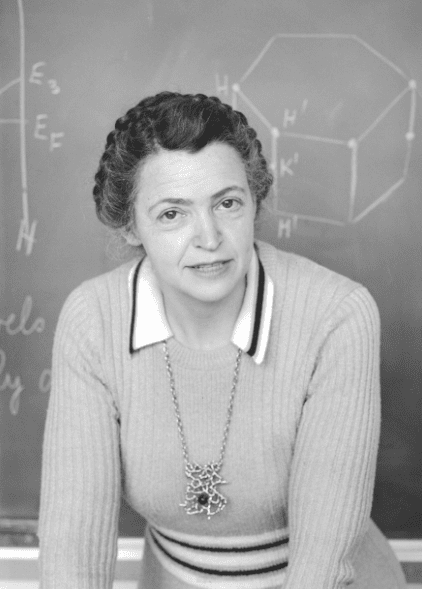
After Hunter College, she studied at Cambridge, Chicago and Harvard Universities. For a short time, she held a position at Cornell University before joining the Massachusetts Institute of Technology. There, Mildred was a visiting professor in 1967 and a permanent professor from 1985. Specifically for engineers and practicing physicists, she herself developed and taught a unique physics course.
From 2000 to 2001, she served at the Office of Science at the US Department of Energy and then worked at the American Institute of Physics. Dresselhaus was part of many scientific organizations and received several awards for her work. The 44th President of the United States, Barack Obama, awarded her in person.
Women in science
Dresselhaus became the first female professor at the Massachusetts Institute of Technology. There were few women in science in general in those days, let alone in the field of research. Dresselhaus worked hard to draw the attention of women to science and men to this problem.
In the 1970s, while working at MIT, she developed a special seminar for counseling professionals in related fields. In particular, she advised on engineering for theoretical physicists. She also introduced extracurricular meetings for students and professors, where all of them could get a lot of useful information.
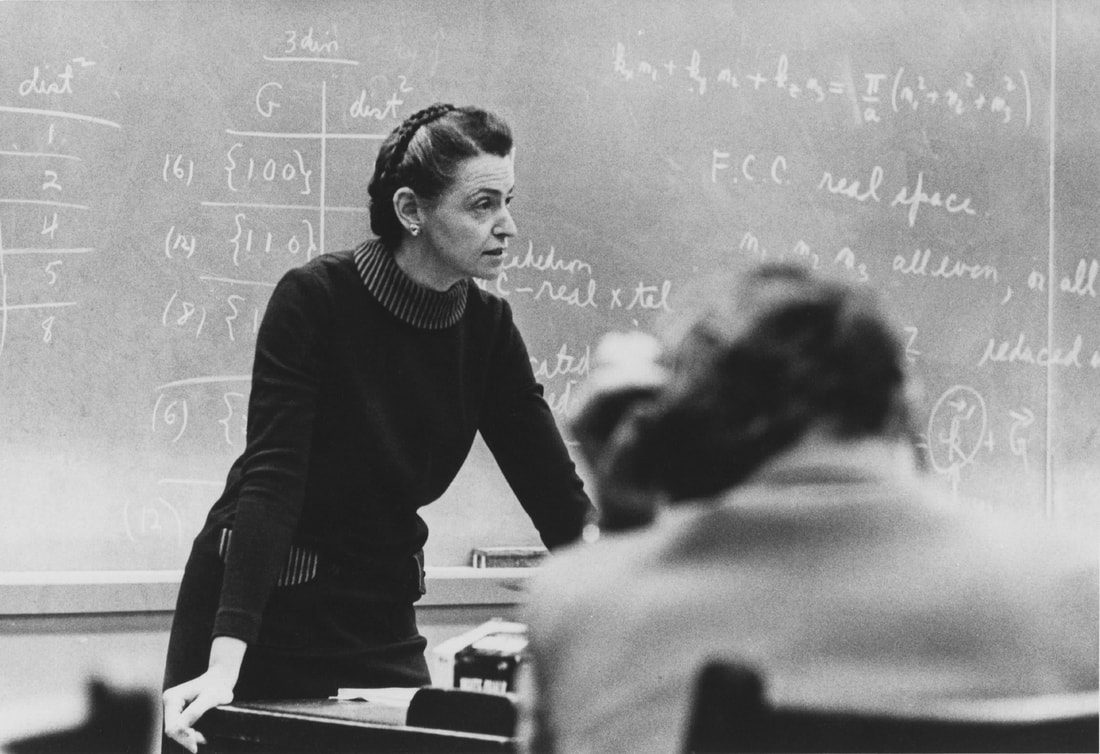
Dresselhaus attempted to show women by her example that they can pursue in the world of science. She never considered it a male-only occupation. Dresselhaus managed to combine a successful scientific career with family life. She was married and had four children. The scientist passed away in 2017.
Scientific achievements and path to fame
Throughout her entire career, Dresselhaus worked on superconductivity and magneto-optics. She paid a lot of attention to the conductivity of semimetals. In her experiments, she often used graphite that she combined with carbon, studying the properties of its compounds. This was a significant contribution to the development of energy storage materials.
Dresselhaus became the first to predict the appearance of carbon nanotubes. Later, they began to be employed in orthopedic implants, hydrogen accumulators, radio electronics elements, etc.
Many of her discoveries and research findings were utilized by other scientists. Several physical theories were named in her honor – the basic model for low-dimensional thermoelectrics and the spin-orbit interaction effect. The American Physical Society founded the Millie Dresselhaus Fund. Its goal is to support women in the field of physics.