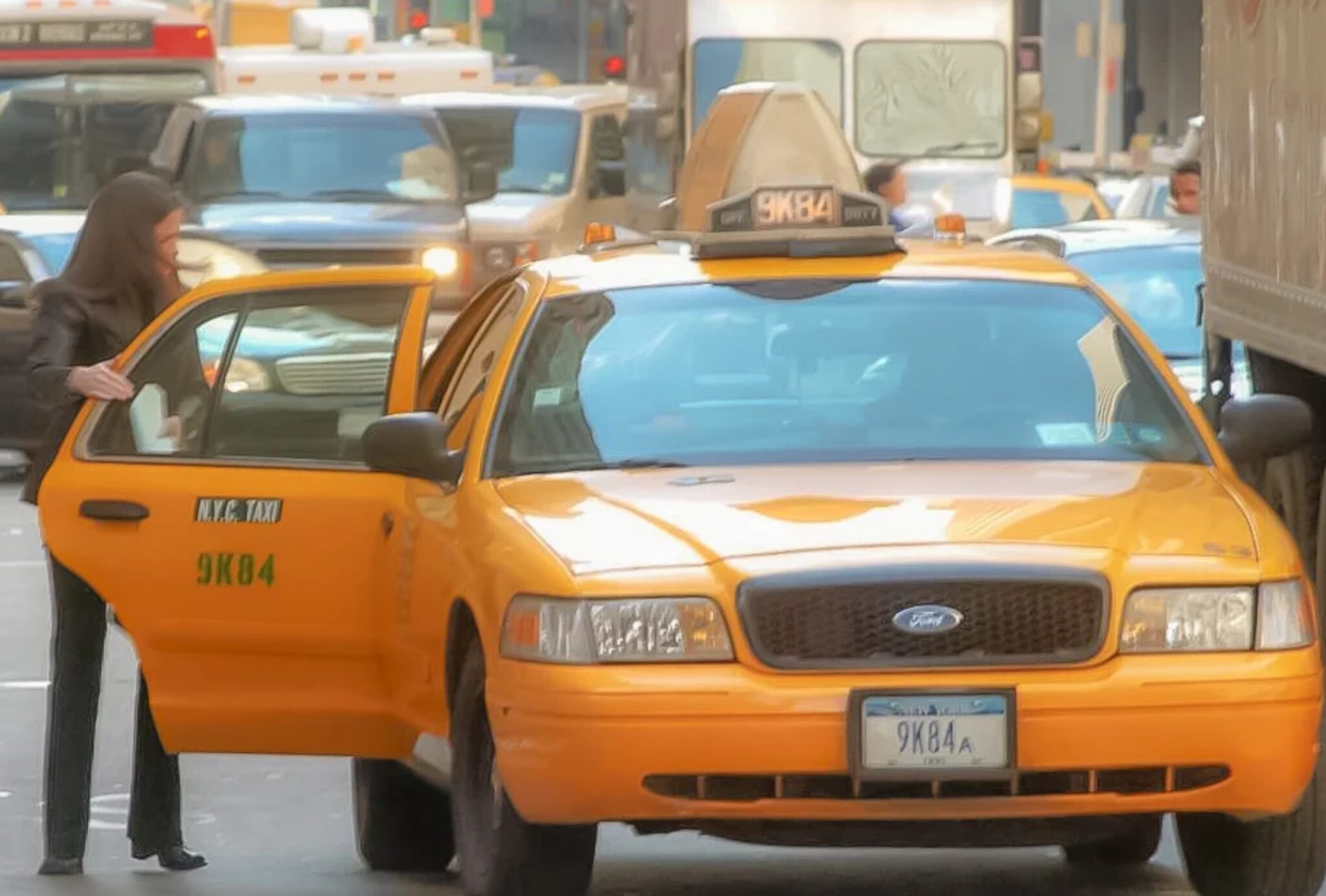

The history of Brooklyn taxis is closely linked to the history of New York City. It all began with early electric and later gasoline-powered taxis in the late 19th century, in the 1890s and early 1900s. Then, in 1907, a certain Harry Allen proposed repainting his fleet of cars yellow.
This was due to a desire to improve the visibility of the cars. This standard was later adopted throughout the city, including Brooklyn. Although traditional yellow cars still operate in Brooklyn today, in 2011, distinctive green borough taxis were introduced to serve areas outside of Manhattan. Read all about this and the history of Brooklyn taxis at i-brooklyn.com.
The beginnings of electric transport
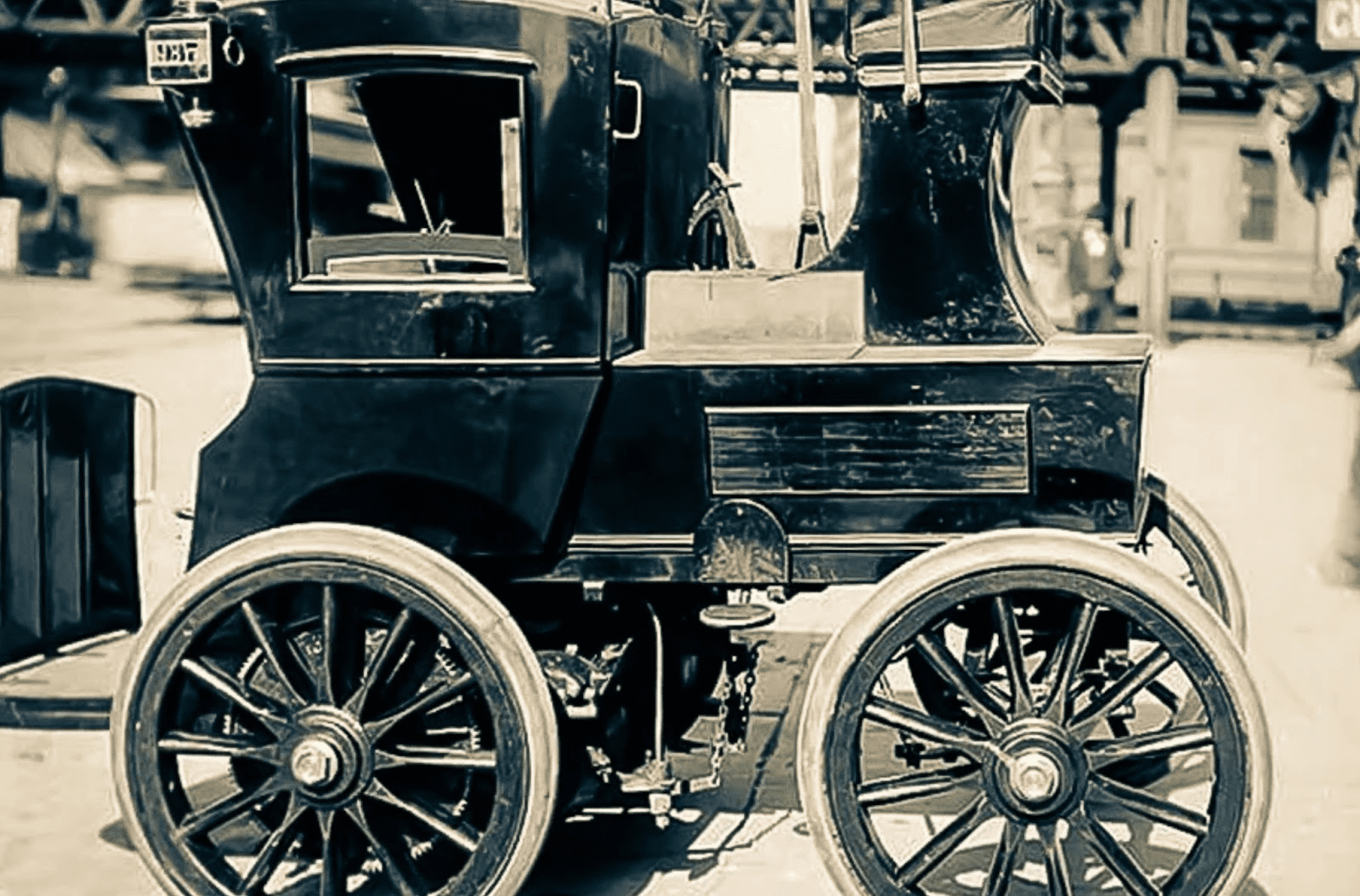
In the 19th century, the first cab teams appeared on the streets of New York. Twelve electric vehicles were presented in 1897 by a local company, Samuel’s Electric Carriage and Wagon Company. However, this company only existed for a year under this name. It was then acquired and transformed into the Electric Vehicle Company. At that time, the company’s total fleet consisted of 74 taxis.
A few years later, in 1899, the company introduced the Electrobat cab to the public. It had 1.5 horsepower and a range of over 20 miles. In addition to all this, the vehicle weighed over 1,600 pounds, which affected its maneuverability on the road.
One of the most significant events in the life of this company, and indeed the entire city, occurred in 1899. One of its drivers was fined for speeding, the first time this had ever happened in the history of the United States. A few months later, the first traffic fatality in the US occurred when an electric taxi hit a man.
In the early 1900s, there was a confrontation between electric cars and gasoline-powered cars on the streets of New York. In general, when gasoline-powered taxis appeared, a new era of urban transport began. And in 1907, the now iconic yellow taxis made their debut.
It became clear almost immediately that gasoline taxis would have a major impact on the rules of the game in the market. Moreover, these changes were felt not only by drivers but also by passengers. It all boiled down to the fact that gasoline engines gave drivers increased range and improved the reliability of the vehicle.
As for passengers, they were able to get around the city faster and more affordably. As a result, the bright yellow taxi confidently became a central element not only of New York City but also of Brooklyn. It went down in the history of the city and borough as a cult icon, influencing their culture and economy.
You can’t go anywhere without a taxi
Until the 1930s, the streets of New York, as well as Brooklyn, were crowded with yellow taxis. This, of course, did not facilitate either the earnings of taxi drivers or passenger service. To solve this problem, a medallion system was introduced in the city in 1937.
Under this system, all vehicles engaged in transportation had to obtain a medallion in order to operate. This rule was intended to increase control over the number of taxis and improve working conditions for drivers and passenger comfort.
It was during this period that yellow taxis became an integral part of New York’s identity. Movies and books began to romanticize the often difficult and unpredictable life of taxi drivers. Logically, after such a media campaign, the cult status of taxi drivers increased even more. Drivers became the unsung heroes of the urban landscape. Despite the chaos of a large, densely populated city, these people tirelessly helped passengers reach their destinations.
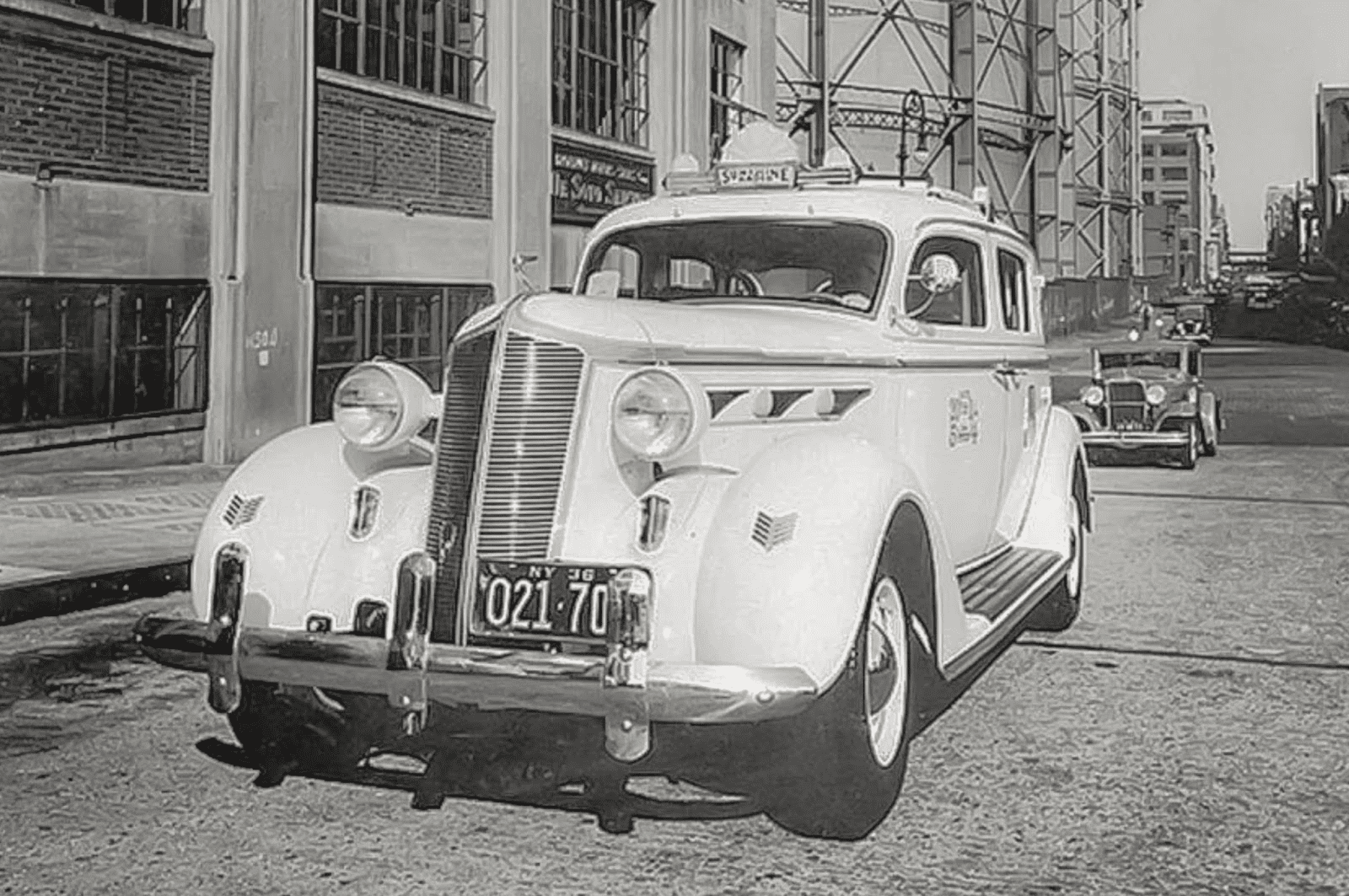
Then, in the mid-1930s, a taxi with a European sunroof appeared. Brooklynites nicknamed it the “Sunshine.” These cars began to run on the streets of Brooklyn in 1936. The new fleet initiated the largest single order for new taxis in history.
During the Great Depression, taxi drivers fought against sharp reductions in fares and even went on strike in Times Square. In 1937, Mayor Fiorello La Guardia introduced a medallion system as a way to regulate the streets.
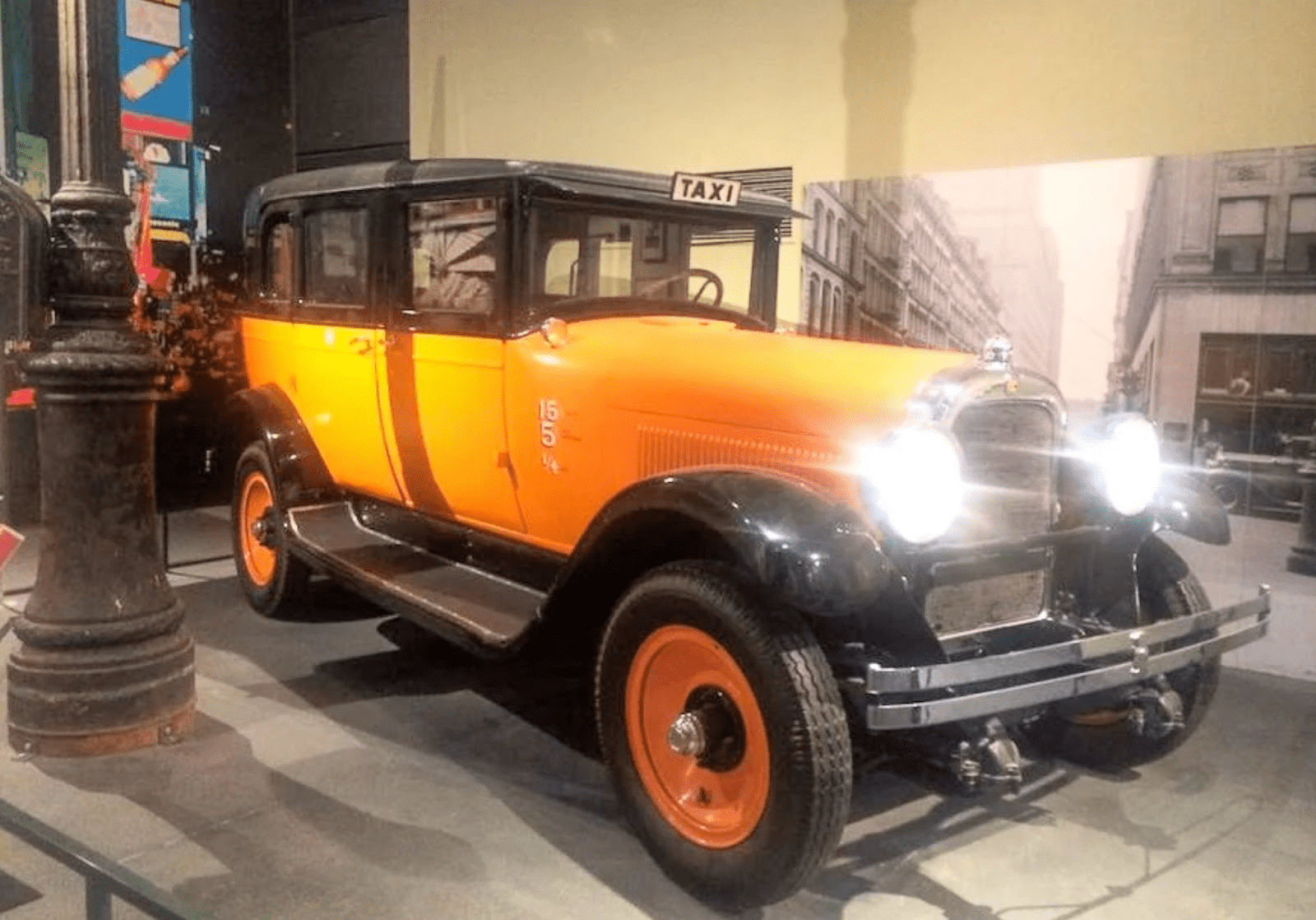
Until the 1970s, cars with the trademark yellow livery of vehicles drove through the streets of Brooklyn, but the mandatory nature of this livery was not undisputed until 1967. That year, the city government introduced regulations requiring vehicles used for passenger transportation to be painted in one color, and that color was yellow. The city government hoped this would reduce the number of unofficial drivers and make taxis more recognizable.
Brooklyn taxi driver stories
One April morning in 1909, when Brooklyn woke up, a small blue taxi was standing near the Electric Fountain in Prospect Park, for some strange reason. The picture was very harmonious, even idealistic. Most Brooklynites caught themselves wondering if the car had always been there, or if they had simply not noticed it before. But most understood that something was wrong.
When the square was called Prospect Park Plaza and covered most of the land, the fountain was also much larger and took up significantly more space. It was then called “electric,” and after its installation, it attracted thousands of people every year, for whom the lights and water were turned on here.
But one day, in early spring, when the city authorities, represented by Parks Commissioner Kennedy, for some unknown reason did not give the order to turn on the popular and beloved fountain of Brooklynites, a very funny story took place. The hero of which was a local taxi driver, Alexander Fidel.
At 11:30 p.m. on Sunday evening, a blue Manhattan taxi ended up upside down in an empty fountain. According to Alexander Fidel, who was the driver of the car and the only one injured in the accident, he had taken his passengers, four young men who wanted to see Coney Island and all its attractions. They went to the amusement park. After dropping off his passengers in the center of the amusement park, the driver waited for them to enjoy themselves and then set off on the return journey with his passengers.
That’s when it all started. As a precaution, the driver did not drive through the park, but bypassed it and took Ninth Avenue. Alexander Fidel wanted to turn onto Eastern Parkway toward Bedford Avenue, but while crossing the square at low speed, he suddenly turned the steering wheel, spinning the car to avoid a collision with a tram.
After this maneuver, whether by accident or on purpose, because there was no other option, Alexander Fidel drove the taxi toward the fountain. It didn’t matter that it was almost 120 meters away, Fidel’s car just kept going at full speed. Later, the taxi driver claimed that he lost control of the car and was unable to regain it, so his taxi moved on its own, without being driven.
Then, at some point, it collided with the curb that decorated the lawn around the fountain, after which it continued to move across the grass, hitting the fountain itself, bouncing, flying over it, and diving into the still empty reservoir.
A happy ending
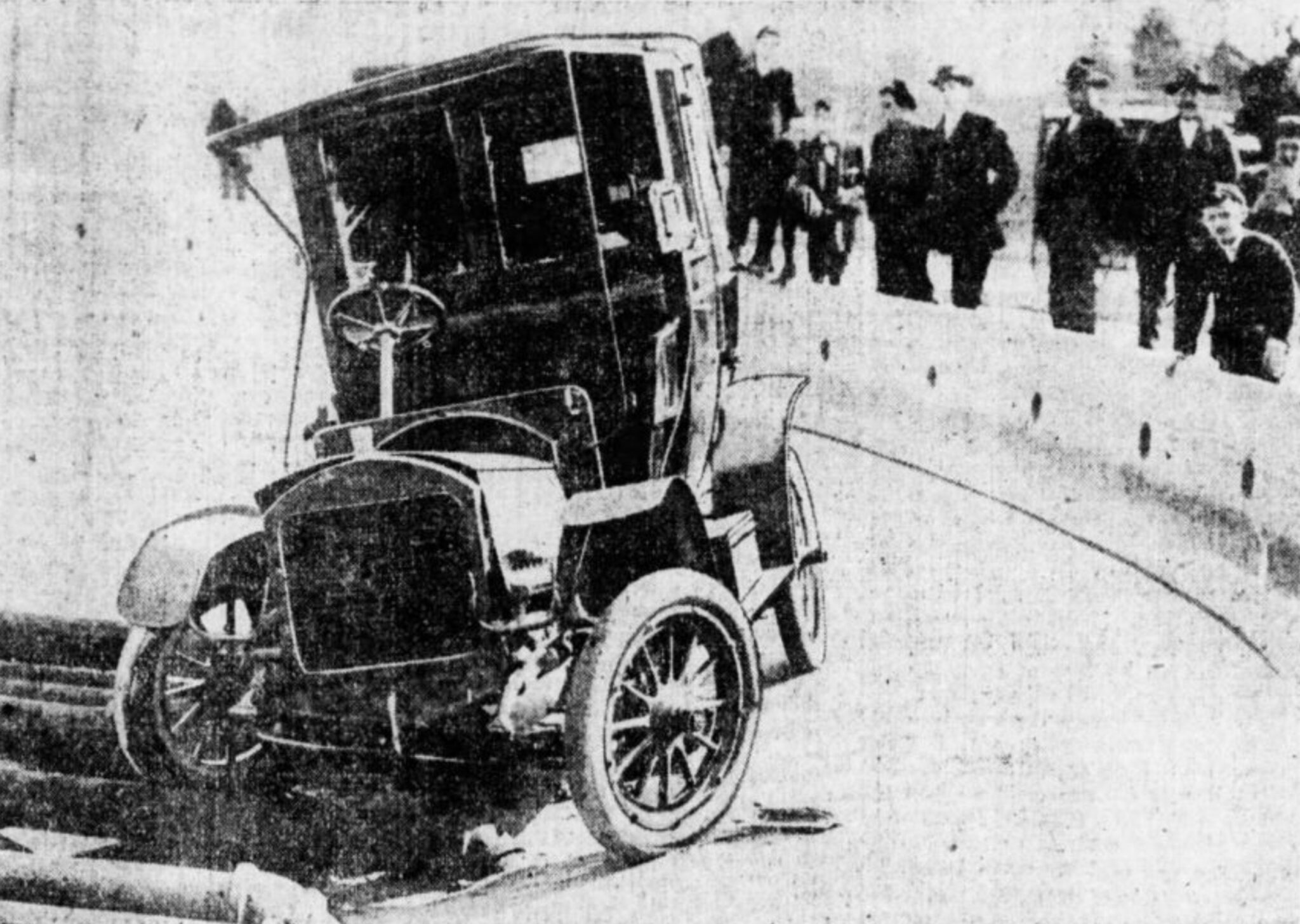
As a result, the helpless taxi instantly landed, throwing Fidel out of the car. The passengers were less fortunate, as they were trapped in the overturned car. The passengers struggled to open the doors and jumped out of the overturned car into an empty fountain. The young men quickly assessed the situation and fled without paying Fidel for the ride.
Sources: