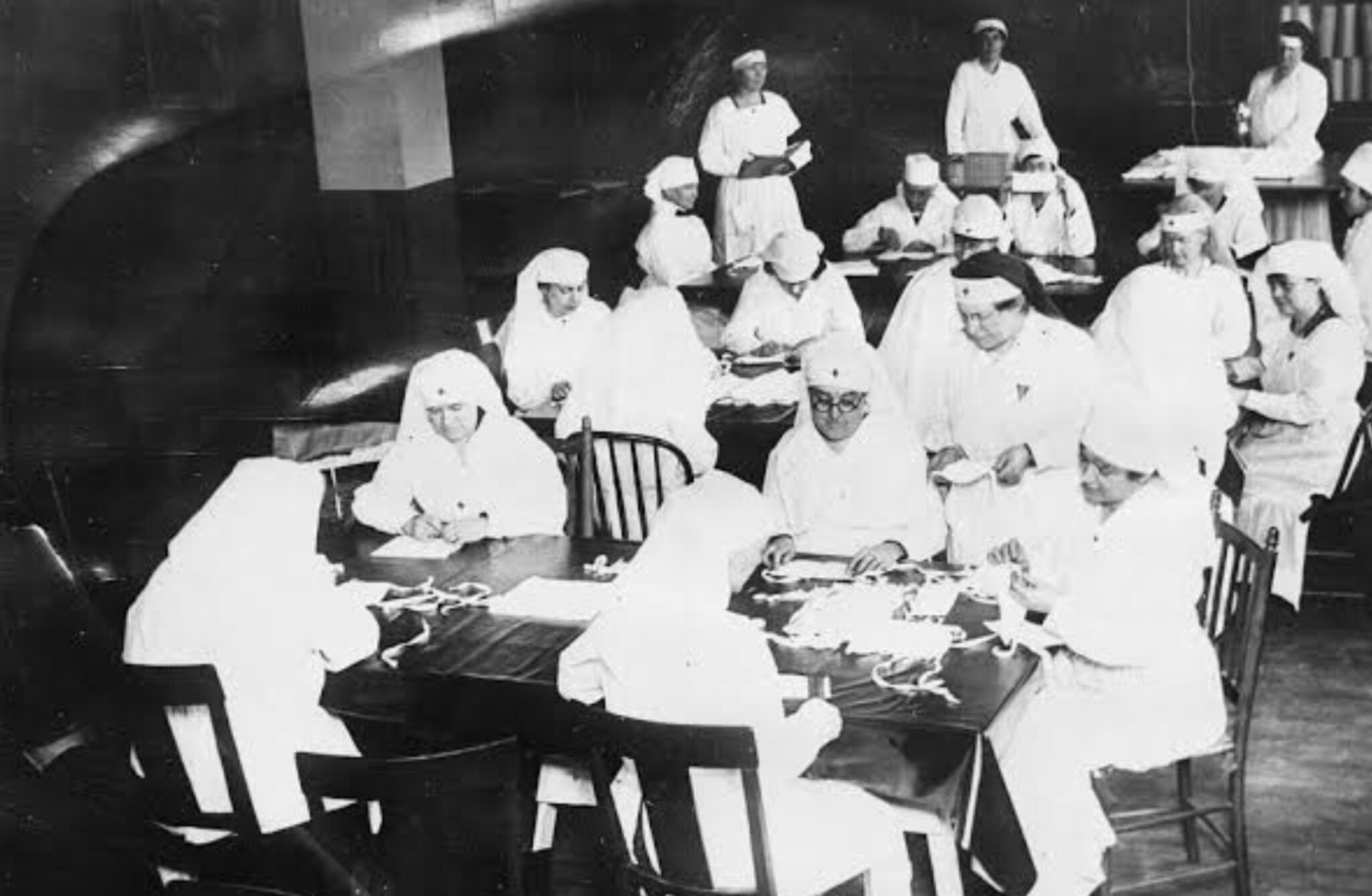

In the 19th century, cholera struck Brooklyn three times—at that time still a separate city with ambitions, though lacking even basic sanitation. It arrived uninvited, lingered for a long time, and left behind not just mortality statistics, but thousands of shattered lives. Water, which was supposed to give life, became a source of death—and this is not a metaphor, but a rather mundane reality for the city’s residents at the time, the current borough.
The irony is that it was precisely these disasters that forced the city to grow up. After each wave, Brooklyn seemed to wake up and acknowledge the obvious: it would no longer be possible to carry on living with a “whatever happens, happens” attitude. Ultimately, water problems—a key factor in the spread of the disease—became one of the arguments in favor of merging with New York City. For more details on the course of the three waves of the cholera epidemic in Brooklyn, visit i-brooklyn.com.
The first wave of the epidemic
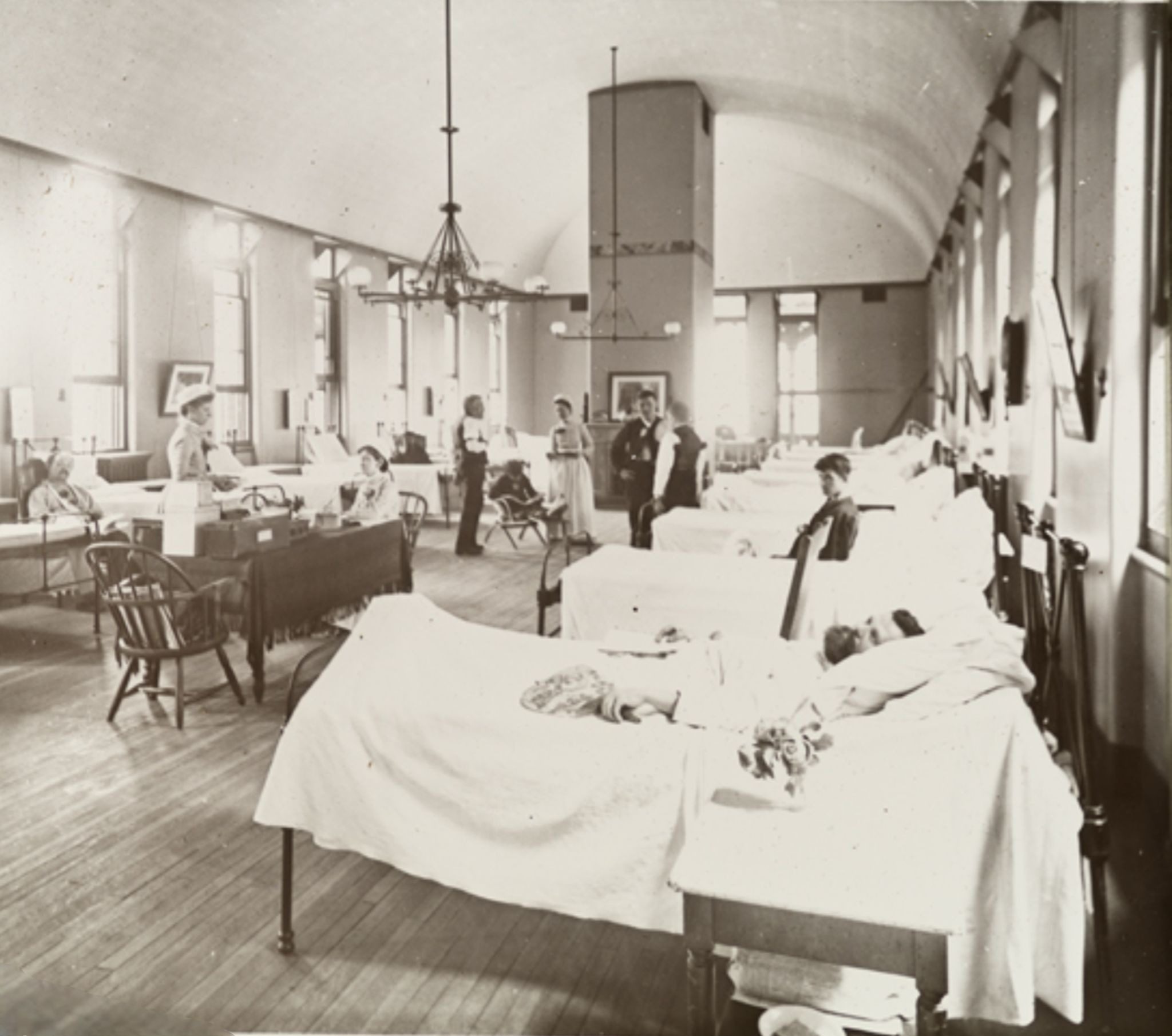
In 1832, cholera reached New York on ships from Europe—faster than the news and far more convincing than any warning. It was believed that the disease had been “brought” by immigrants, although it is now clear its true ally was not nationality, but unsanitary conditions. And while the city argued over who to blame, the contagion was already firmly taking hold on the other side of the river—in Brooklyn, which at the time had neither the resources nor the experience to handle such a crisis.
The reaction was almost predictable: the wealthy packed their bags and fled the city, while the poor stayed behind and counted not the days, but their losses. Narrow streets, wells next to cesspools, water of dubious quality—a perfect recipe for disaster. Back then, they didn’t know about bacteria, but they believed in “bad air,” so they treated it accordingly: with bloodletting, opium, alcohol, and, just to be sure, prayers. The result was consistent—the disease wasn’t affected by such methods.
The situation with water and sewage looked like an unsupervised experiment: wastewater seeped into the ground, wells became contaminated, and a centralized water supply system was virtually nonexistent. People drank whatever they had, and often—what was actually killing them. Only later would it become clear that water was the primary vector of infection, but in 1832 this understanding had not yet reached city officials.
The exact figures for Brooklyn vary, but the death toll ran into the hundreds—a significant number for the city at that time. In total, across New York City, there were over three thousand deaths. And although this wave eventually subsided, it left behind something crucial: the feeling that the problem hadn’t gone away, but had merely paused. And that next time it would return—this time with experience.
And when this wave finally receded, it felt more like a lull than a victory. In 1832, cholera had not been defeated—it had simply lost momentum. With the onset of cold weather, the bacteria became less active; the most vulnerable had already been infected, and those who could left the city, reducing the density of contact in Brooklyn and New York.
Add to this the chaotic attempts to restore at least some semblance of order and the simple human fear that drove people to avoid dangerous places—and you get an effect that was easy to mistake for the city’s recovery at the time. In reality, however, this was merely the lull before the next, more persistent wave.
Experience did not help—the second wave of the epidemic
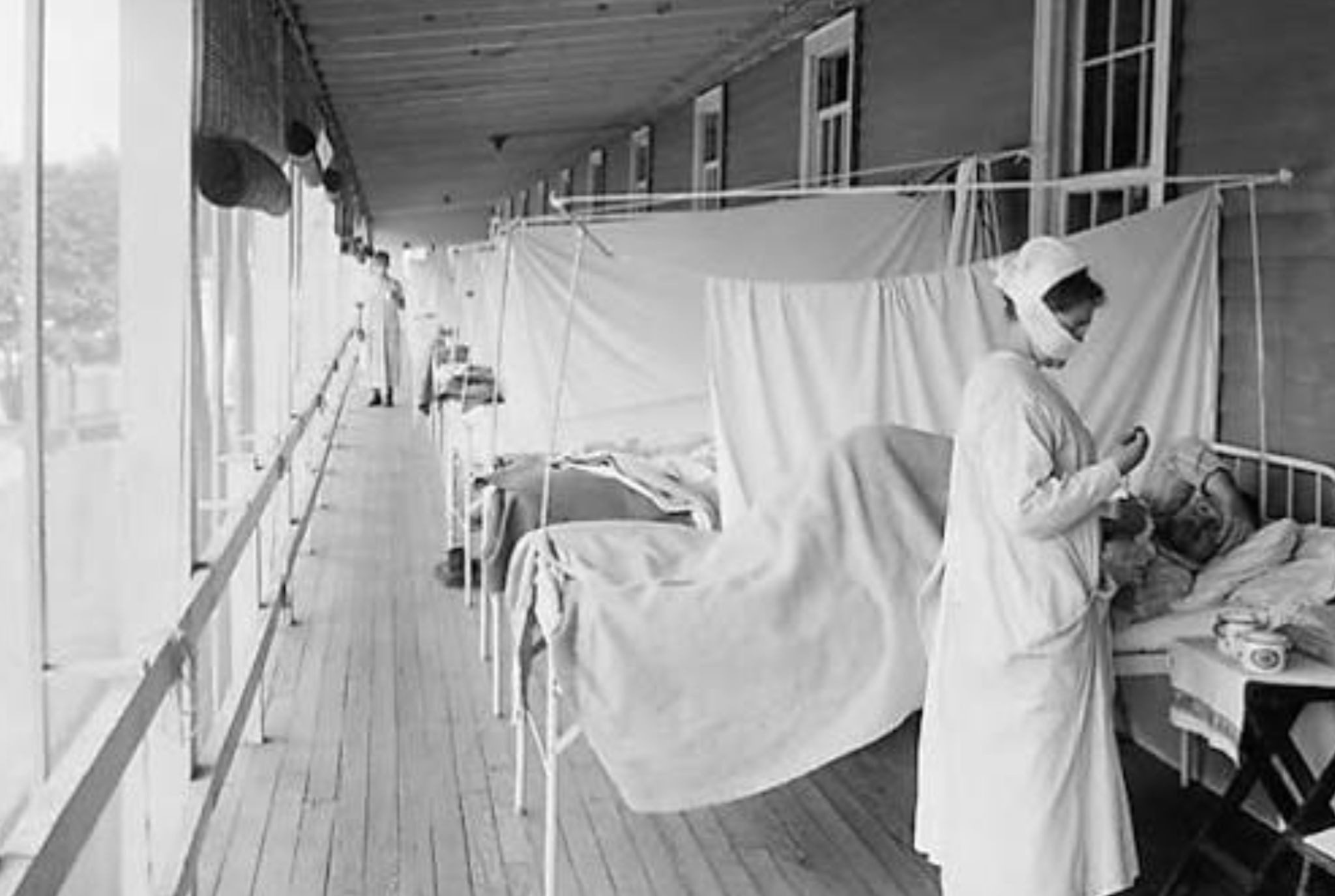
The second major cholera epidemic struck Brooklyn in 1849, and this time it came not as a surprise but as an unwelcome acquaintance. Once again—transatlantic routes, once again—New York’s ports, and once again the city received a “gift” along with passengers and cargo from Europe, where the epidemic was already raging.
Unlike in 1832, the panic here was more “organized.” People already knew what to fear. The wealthy left again, but more quickly and decisively. The poor stayed behind, but they were already trying to take action: they boiled water (not always understanding why it worked), avoided questionable sources, and ventilated their homes more often, as much as possible.
City officials also pretended to have the situation under control: they cleaned the streets, tried to manage the drainage, and imposed local quarantines. The problem was that the underlying issue remained unchanged—the water was still dangerous, and the sewer system existed more in the imagination than in reality.
The consequences were more severe than during the first wave. In Brooklyn alone, the toll had already reached thousands of cases and hundreds of deaths, and in New York City as a whole, the death toll once again reached several thousand. The disease struck quickly and left little chance of recovery: a person could appear relatively healthy in the morning and die by evening.
The irony is that the experience of the first wave helped… but it wasn’t enough. People became more cautious, and the city became a bit more active, but without systemic changes, it was like patching a boat that had long been leaking at the seams.
This wave ended much as the previous one had—without any triumph. By the fall and winter of 1849, the spread had begun to subside. The reasons were the same: the cold slowed the growth of bacteria, part of the population had already been infected, and social contact had decreased. This wave of the epidemic left behind a glaring question: how many times can the city afford to learn from its own mistakes before it begins to correct them?
The third wave of the epidemic is the last one
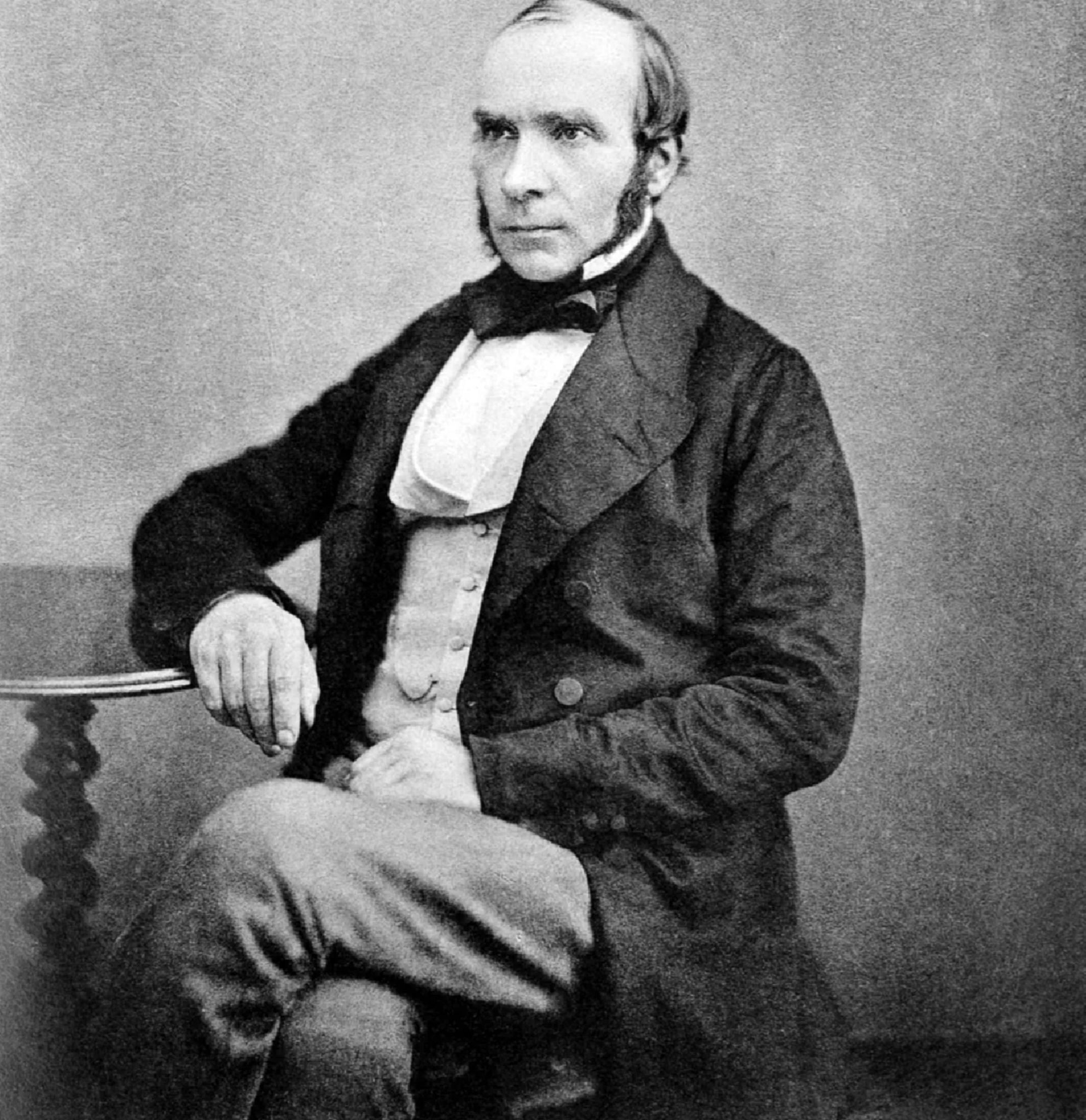
The third major cholera epidemic struck Brooklyn in 1866, long after John Snow had effectively proven the obvious in 1854: the disease was transmitted through water. It would seem that this was the moment of truth. But between the discovery and its actual implementation lay a chasm of skepticism and bureaucracy.
Some doctors had already embraced the new theory and were trying to act accordingly: they recommended boiling water, avoiding wells with a questionable reputation, and isolating the sick. Others, however, continued to fight the “bad air” by ventilating rooms without really addressing the root of the problem. City residents, having learned from previous outbreaks, behaved more cautiously: they trusted tap water less, avoided large crowds, and those who could—left. But the main weakness remained unchanged—the infrastructure.
Despite gradual improvements, the city’s water supply remained unsafe, and the sewer system was still patchy. That is why the consequences were once again quite severe: in Brooklyn, the death toll ran into the hundreds, and across New York City, into the thousands. At the same time, this wave took on a somewhat different character. For example, compared to the previous one, the death toll was lower than it would have been if the city had learned nothing at all.
The irony of the situation is that the truth was already right there on the surface—literally in the water. But it took another painful series of losses for the city to finally move from speculation to systemic solutions: water supply control, sewer system development, and stricter sanitary oversight. It was only after this wave that it became clear: next time, either the city would change—or the scenario would simply repeat itself.
Working on mistakes
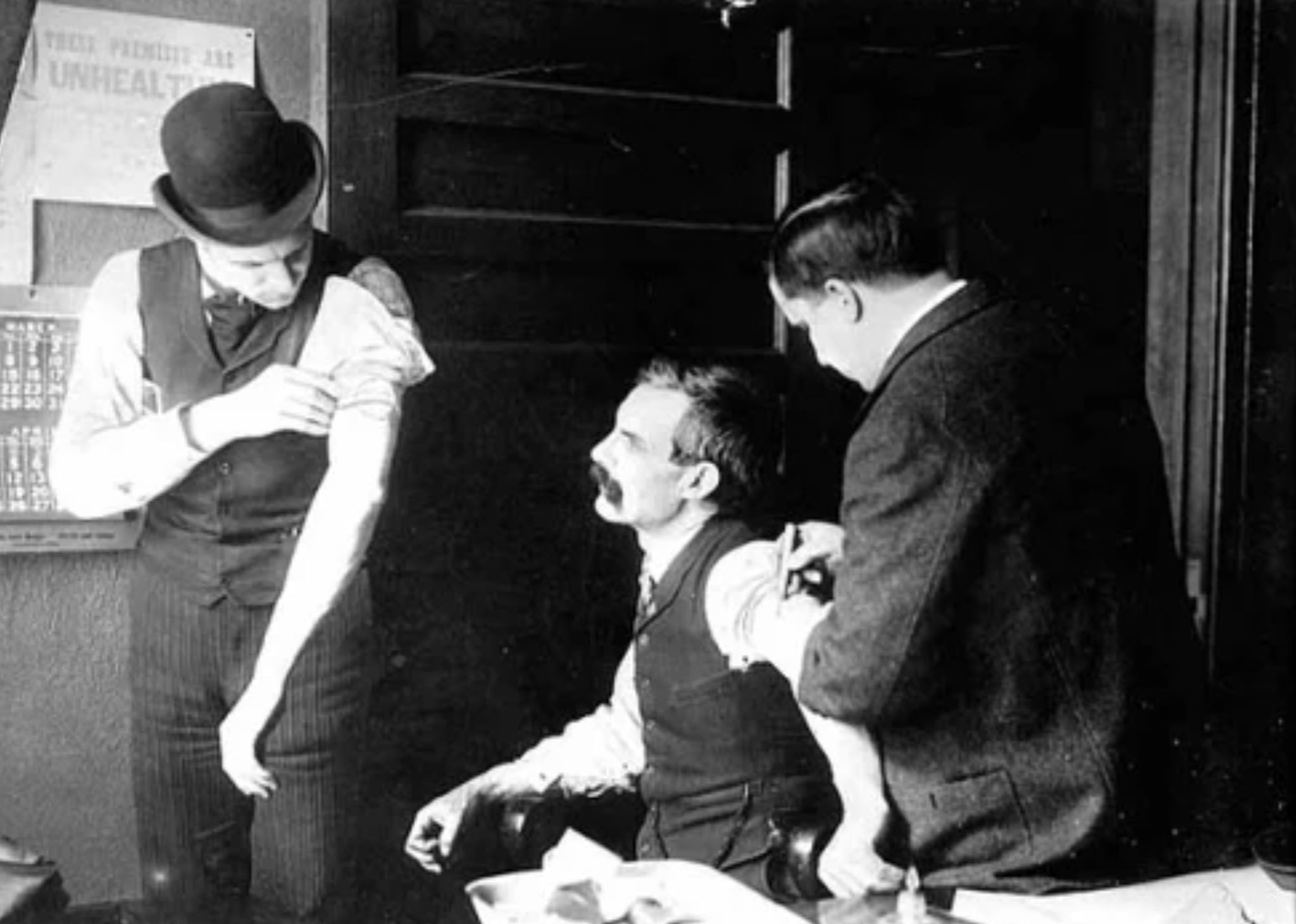
The three cholera outbreaks in Brooklyn became not just a tragedy but a matter of survival. The city lost thousands of people but ultimately gained what it had previously chronically lacked—systematic organization. A few months before the 1866 outbreak, the Metropolitan Board of Health was established in New York—an organization that was no longer limited to offering advice.
It took tough and, for the first time, consistent action: disinfection, isolation of the sick, and clearing the streets of trash and dirt became not just recommendations, but standard practice. And although this did not stop the epidemic immediately, it was these steps that set a new standard for city management.
The main thing, however, is that the city has finally tackled the root of the problem: water. A systematic rethinking of water supply and drainage began. And if the first two waves were lessons, the third became a test, after which Brooklyn could no longer afford to remain the same.
Sources: