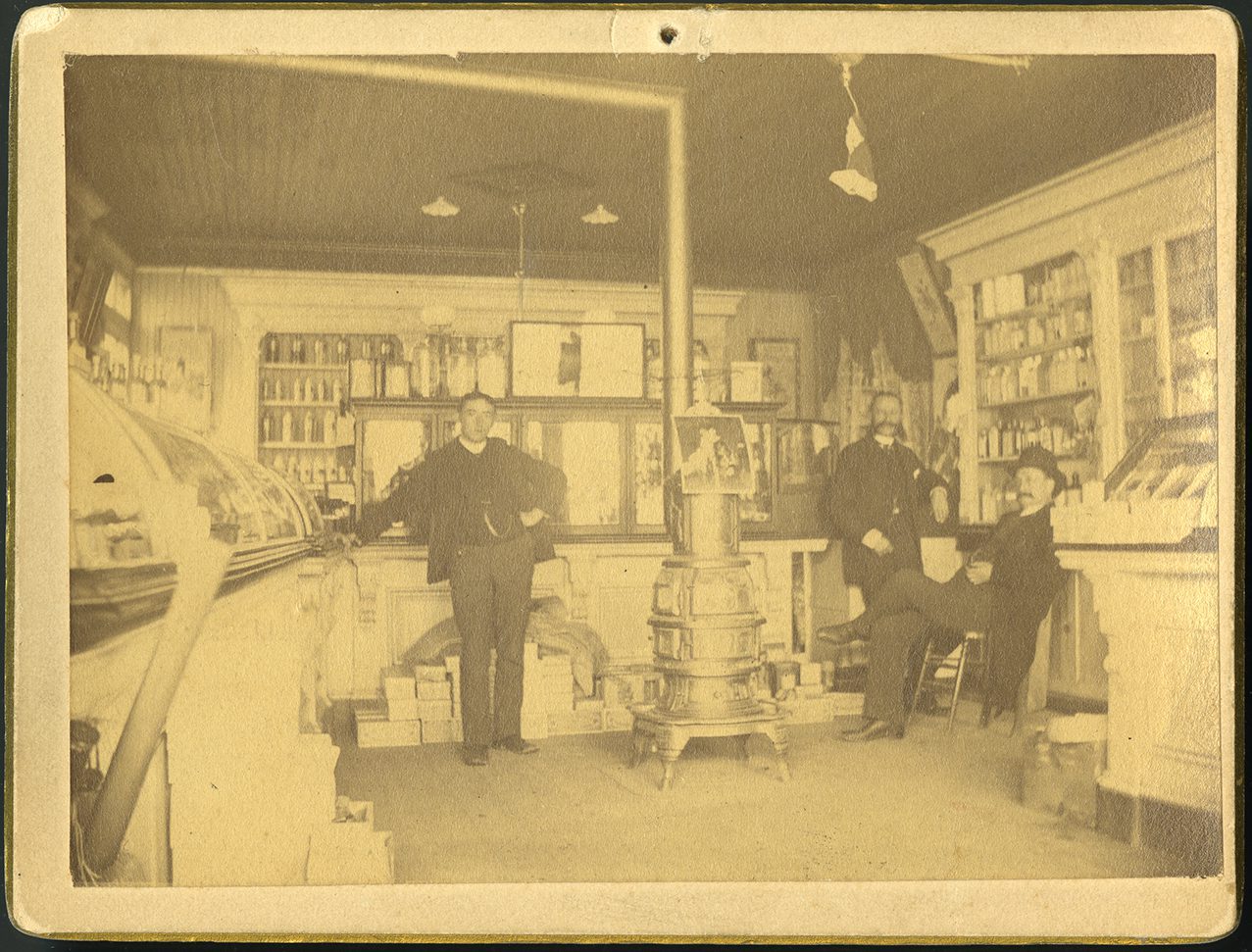

The pharmacies of the past centuries are very different from their followers. Pharmacy in the past had always been a fascinating topic that bordered on alchemy. In Brooklyn, the first pharmacies began to appear in the 19th century. One of the masters of pharmacy was the Civil War veteran George Cutler. Learn more on the i-brooklyn.
Military past
George E. Cutler was born in 1842. He spent his entire childhood and adulthood in Massachusetts. Little is known about his family and early life. At a young age, he joined the navy. Then he was forced to participate in the Civil War. The army was never close to Cutler’s heart. He was much more interested in pharmacology. After the war, he immediately began to master his future profession in his native Massachusetts. There he gained his first experience in a pharmacy. At the age of 28, he moved to Brooklyn.
There he decided to open his own pharmacy. After settling in Brooklyn, Cutler began to live in a house on DeKalb Avenue. He had no money to buy his own house, only to rent a room from an elderly widow and her daughter Elizabeth, who later became his wife.
In 1879, the Flatbush Central Pharmacy appeared in the borough. Cutler chose a good location for his life’s work, on the corner of Flatbush Avenue and Church Avenue. The old Dutch Reformed Church and Erasmus Hall were located next door to the new pharmacy, so there were always many customers.
Cutler, his wife and the pharmacy staff lived upstairs in the same building. The good thing was that there was enough space for everyone, even though they didn’t count on luxury.
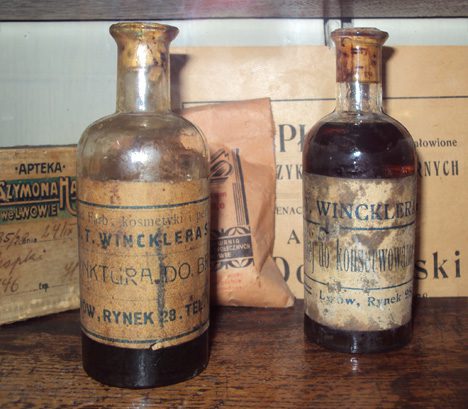
In 1896, George Cutler passed away. His wife continued the family business on her own. In the city archives, Elizabeth Cutler is listed as a pharmacist, although she never had a proper education. At the age of 73, she closed the Flatbush Central Pharmacy. The remaining medicines and toiletries were sold. They ended up in private collections.
What was sold in the pharmacy
In addition to medicines, the pharmacy sold hygiene products and the first prototypes of cosmetics. On the shelves next to tinctures and ointments were creams, colognes, scented soaps and shampoos. Girls in pursuit of beauty were not afraid to resort to more risky and dangerous methods, for example, arsenic. It was used in pursuit of pale skin and a heavy look.
In the 21st century, pharmacists know general information about medicines. But in the 19th century, or even earlier, pharmacists prepared some drugs from natural ingredients on their own. It was only at the end of the 19th century that Europe learned how to make the first versions of synthetic ingredients. The first was aspirin.
Another difference between European and American pharmacies was the assortment. For a long time, European pharmacies remained exclusively medical organizations. At the same time, in American pharmacies, you could buy a lot of other things besides medicines. American historians who have studied this industry have found evidence that any American pharmacy offered soft drinks, ice cream, leather goods, sweets, stamps and more.
In addition, each pharmacy had a contract with the railroad. Anyone could buy a train ticket at the pharmacy or call a taxi. This development and vision of the pharmacy business has greatly influenced the pharmacies of the 21st century.
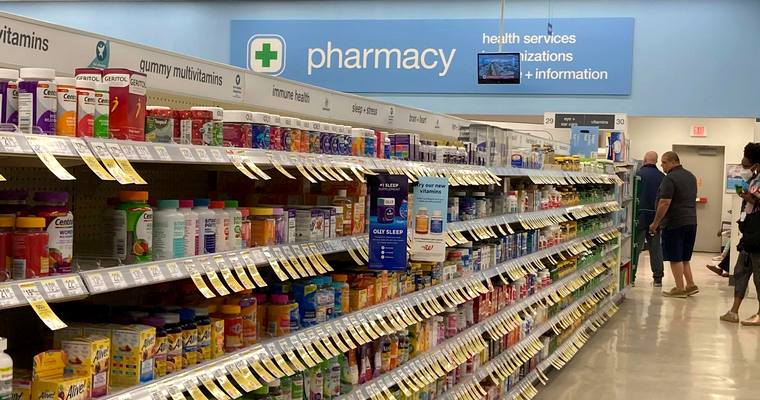
Despite the fact that most medicines in America are not available without a prescription and to minors, supermarkets have pharmacy departments.
This approach has always seemed strange and incomprehensible to Europeans even though they were the first to improve medicines’ production. Because of this, American pharmacists were looked down upon. For a long time, they continued to prepare medicines using old methods. But in the 21st century, American pharmaceutical companies are still the best in the business.