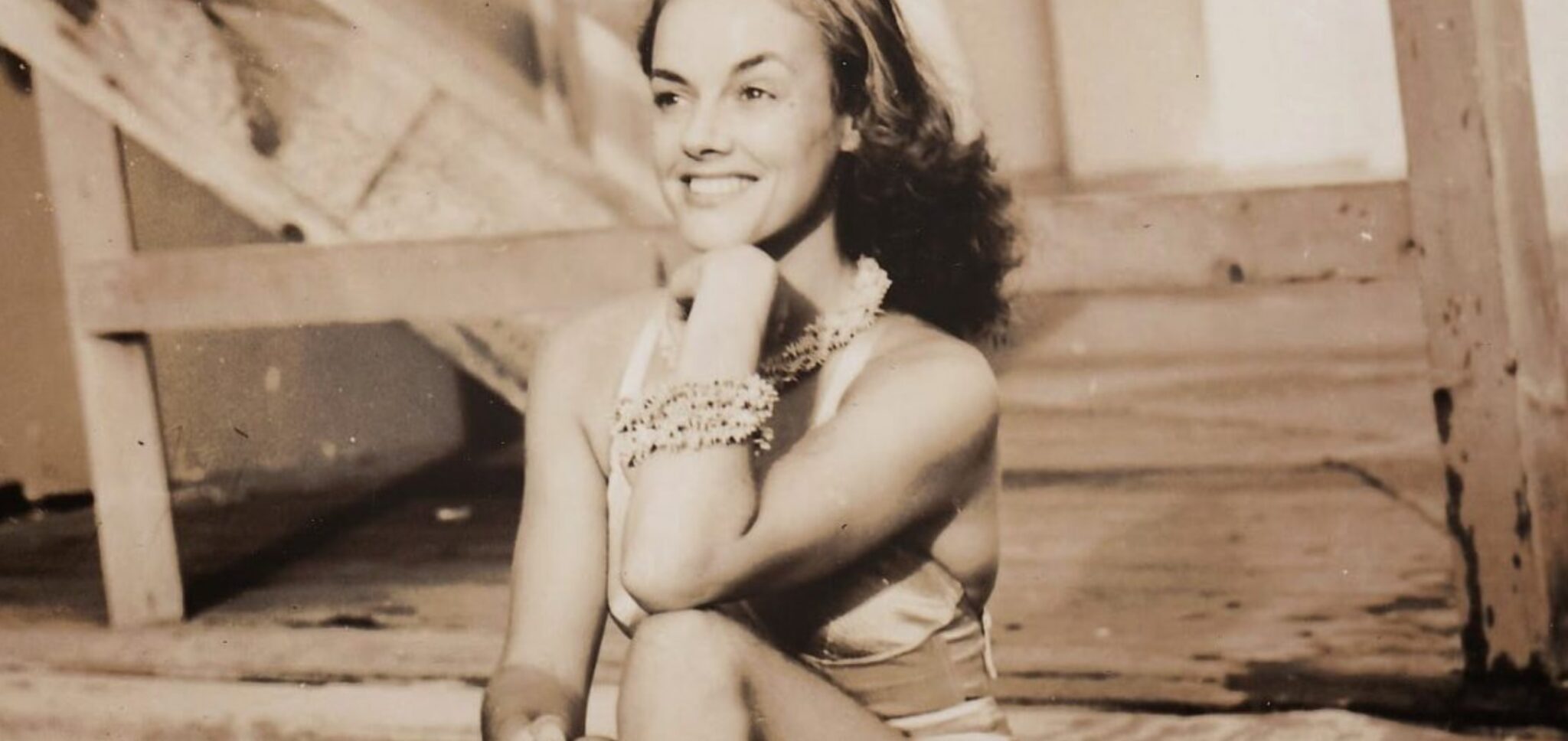

In 1936, Berlin hosted the Olympic Games on the brink of World War II. However, recklessness seemed to define the event—at least for American swimmer Eleanor Holm. She set off for Germany carrying a prestigious title—a gold medal in the 100-metre backstroke, won at the 1932 Los Angeles Olympics.
With a world record, an aura of an Olympic champion, and undeniable talent, Holm was poised to replicate her victory in Berlin. Yet something went wrong. Perhaps champagne, partying, and professional sports were an unfortunate mix at the time. Adding to the controversy, her fiery, rebellious nature offended an IOC official, setting the stage for an unforgettable scandal.
Read more about this fascinating Olympic tale on i-brooklyn.com.
First Olympic Triumph
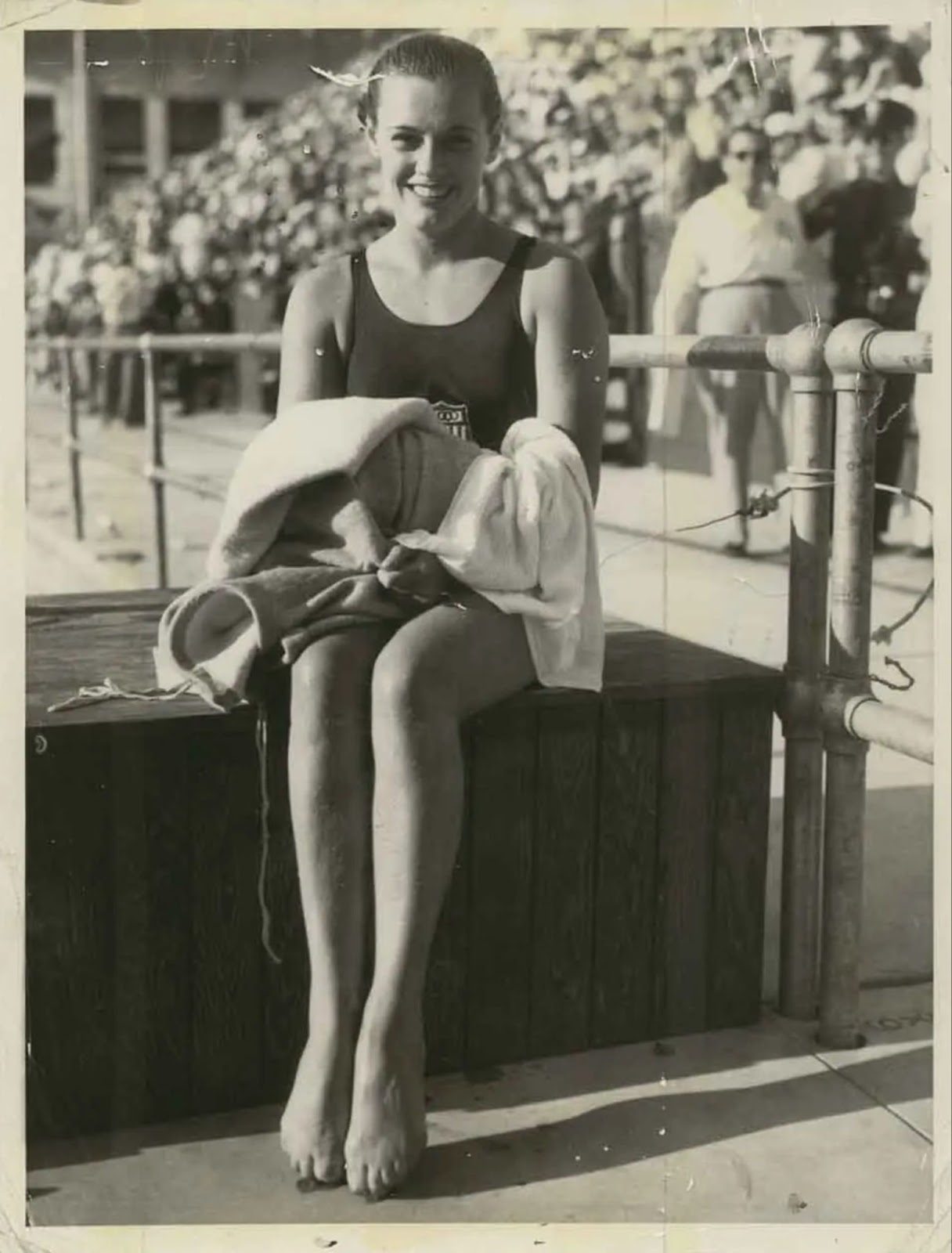
Eleanor Holm was born in Brooklyn in 1913 and learned to swim and dive at age 10 at her parents’ Long Beach summer home.
- At 13, she won her first swimming title while attending Erasmus Hall High School.
- In 1928, she joined the U.S. Olympic swimming team and competed in Amsterdam, finishing fifth in the 100-metre backstroke.
- By June 1932, Holm had set world records in two backstroke events in Rye, New York.
- That same year, she claimed the Olympic gold medal in the 100-metre backstroke, breaking the 100-metre and 200-metre world records at the Los Angeles Olympics.
At 18, following her 1932 Olympic victory, Warner Brothers offered her a seven-year movie contract.
- She acted in several films, but quit after nine months, as the studio demanded a full-time acting career, which would have compromised her amateur status, making her ineligible for future Olympic competition.
In September 1933, another major life event occurred—Eleanor married Arthur Jarrett, a renowned singer, songwriter, and actor.
- She began performing in nightclubs and vaudeville shows across the country, often dressed in a white swimsuit, cowboy hat, and high heels.
- However, in an interview with Sports Illustrated, Holm admitted that she never truly dreamed of becoming an actress—her Brooklyn accent was too strong, and her real ambition was to win another Olympic gold.
With this determination, she set her sights on the 1936 Olympic Games in Berlin, confident in her ability to defend her title.
The Journey to Berlin
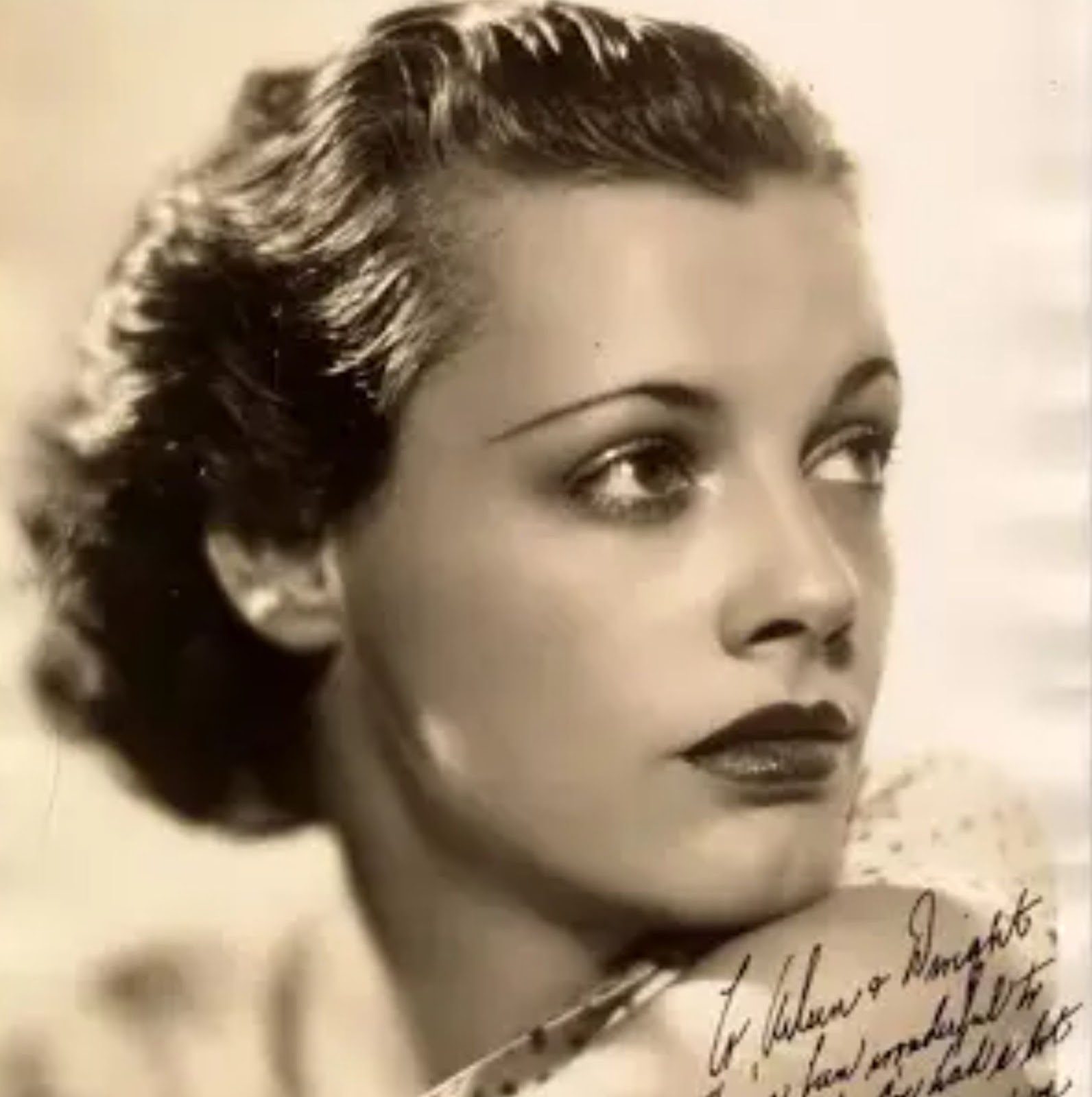
By 1936, Eleanor Holm was one of the most celebrated female athletes in the United States.
- She hadn’t lost a race in seven years and was expected to bring another gold medal home.
- However, her Olympic dreams unravelled before she even reached Berlin.
Holm’s strong-willed and rebellious personality quickly led to conflict with the head of the U.S. Olympic delegation, Avery Brundage, who would later become President of the International Olympic Committee (IOC).
Instead of training and focusing on her event, Holm chose to indulge in extravagant parties—breaking records in the bar rather than in the pool.
- During the voyage to Germany, she celebrated lavishly with fellow athletes and journalists, enjoying champagne-fuelled festivities.
Her reckless behaviour led to swift consequences—she was disqualified from the Olympic team.
Her replacement, Alice W. Bridges, would go on to win a bronze medal in her place.
Scandal on the SS Manhattan
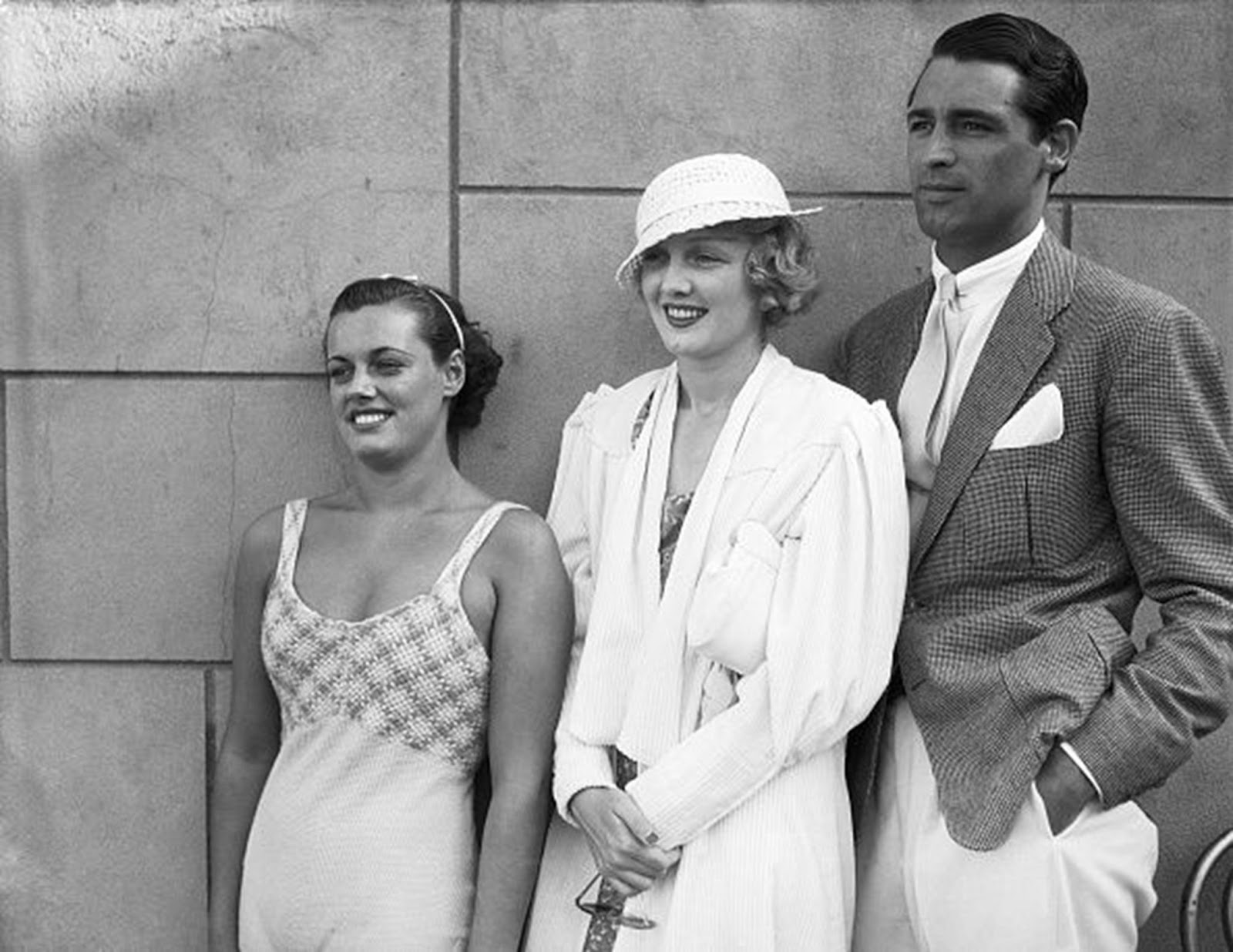
During the transatlantic voyage to Berlin, aboard the SS Manhattan, Holm attended a first-class party.
- There, she drank champagne and socialized with journalists and fellow guests.
- When the team’s curfew was announced at 9:00 PM, Holm refused to leave and mocked her chaperone, asking:
- “Which one of us is an Olympic athlete—you or me?”
Her chaperone promptly reported her behaviour to Olympic officials, accusing her of setting a bad example for the team.
Upon arrival in Germany, Holm was sent home.
Despite 200 U.S. athletes signing a petition to reinstate her, officials stood by their decision—especially after a team doctor diagnosed her with “chronic alcoholism”, an allegation Holm fiercely denied.
Avery Brundage later stated:
- Holm had been punished for violating training regulations, failing to uphold athletic discipline and decorum.
In response, the outspoken Holm called Brundage a hypocrite, insisting:
- “I drink champagne because I like it. It doesn’t hurt me.”
Despite the scandal, Holm managed to turn the situation to her advantage—she stayed in Berlin, not as an athlete, but as an Olympic commentator.
- The International News Service hired her as an analyst and correspondent, covering the 1936 Berlin Games.
A Return to Show Business
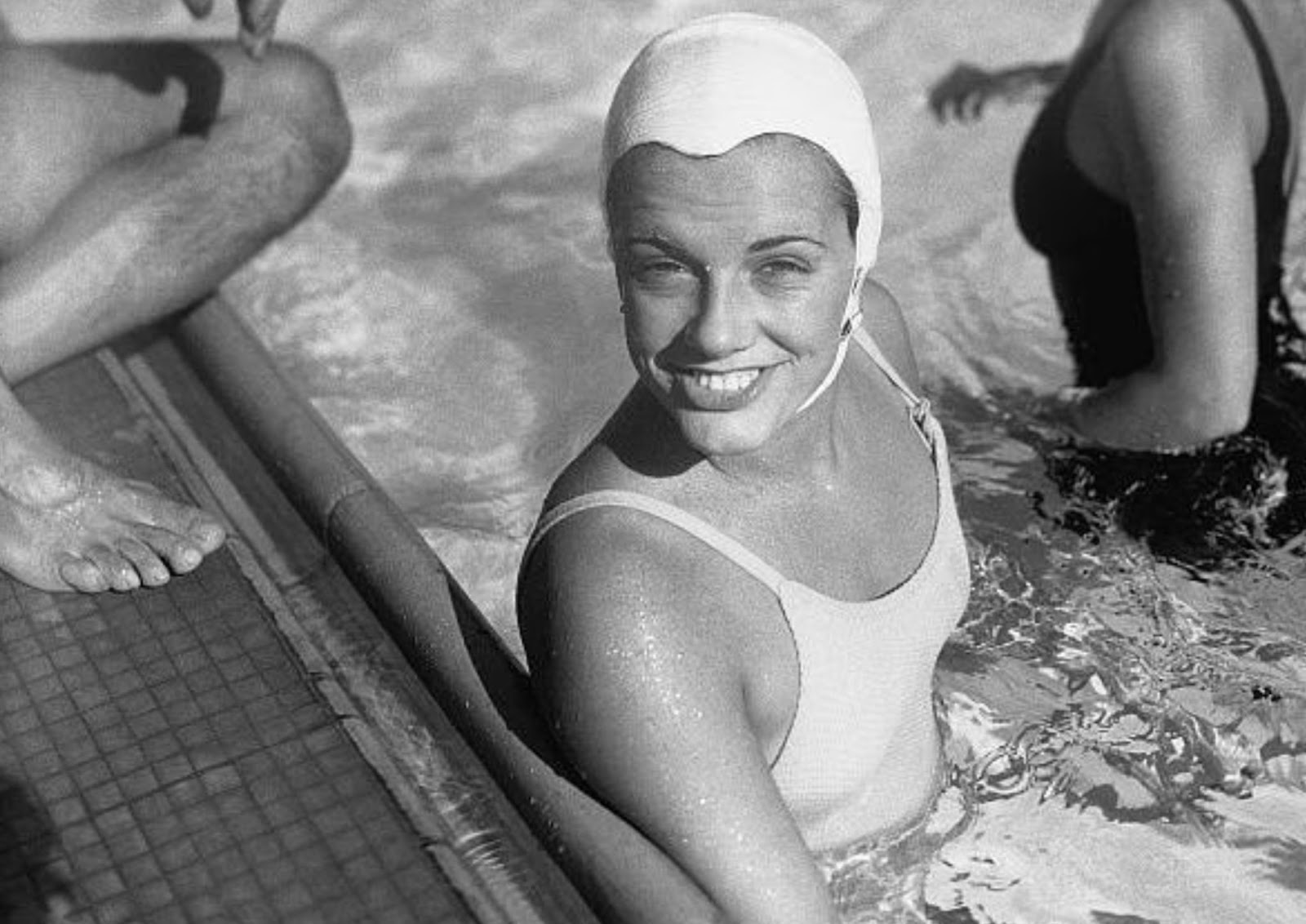
With her Olympic dream shattered, Holm returned to entertainment.
- She joined theatrical producer Billy Rose, performing in water shows.
- She starred in The Great Lakes Exposition in Cleveland (1936-37) and the New York World’s Fair (1939).
- In 1937-38, she took a break from water shows and starred as Jane in the film Tarzan’s Revenge alongside fellow Olympian Glenn Morris.
In 1937, Arthur Jarrett filed for divorce, alleging that Holm had an affair with Billy Rose—an accusation she vehemently denied.
- Meanwhile, Rose divorced his wife, comedic actress Fanny Brice.
- On November 14, 1939, Holm married Rose.
- Their tumultuous marriage lasted 13 years until Holm discovered Rose’s affair with Joyce Mathews, the ex-wife of comedian Milton Berle.
- The high-profile divorce became one of the most sensationalized celebrity breakups of the era, dubbed “The War of the Roses” by the press.
Eleanor Holm lived a glamorous, controversial, and eventful life.
She never had children. In 2004, she passed away at the age of 91 due to kidney failure, survived by two nieces.