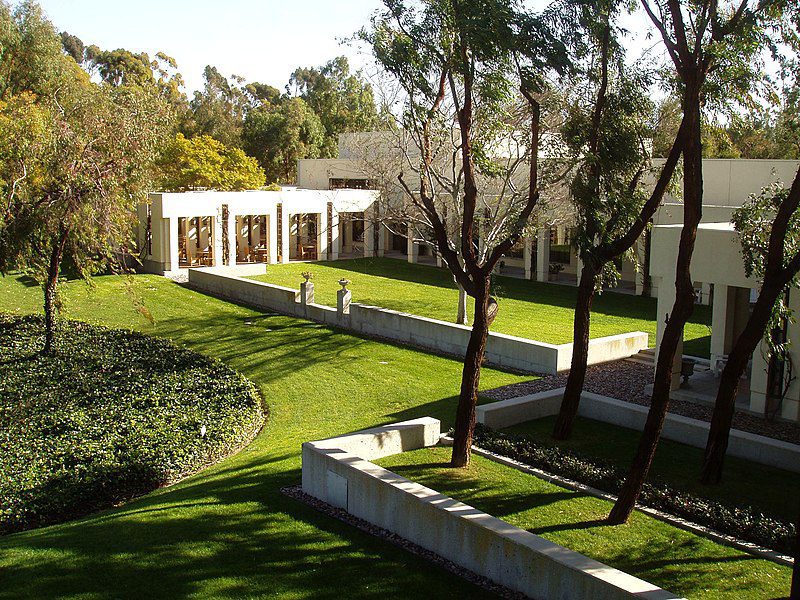

Jeffrey Connor Hall is an American geneticist and chronobiologist, best known for his pioneering work on circadian rhythms. He is a professor emeritus of biology at Brandeis University, where he spent his career researching neurological components of courtship behavior in fruit flies and behavioral rhythms.
Through his groundbreaking research on the neurobiology and behavior of Drosophila melanogaster (fruit flies), Hall uncovered key mechanisms of biological clocks and provided insight into sexual differentiation in the nervous system.
His revolutionary contributions to chronobiology earned him membership in the U.S. National Academy of Sciences and a T. Washington Fellowship nomination.
Learn more about his life and scientific achievements on i-brooklyn.
Early Life and Education
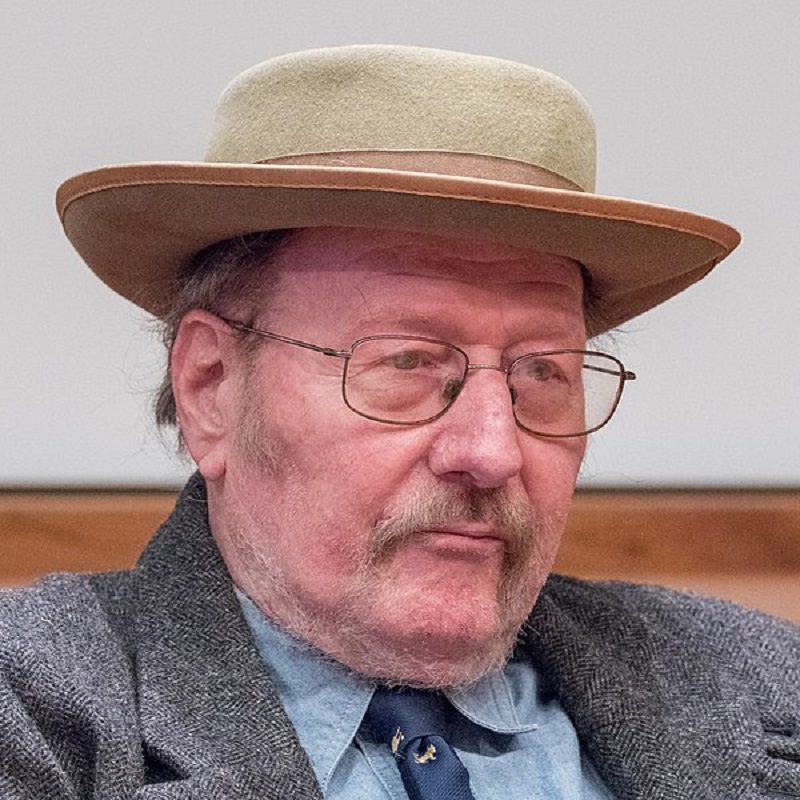
Jeffrey Connor Hall was born in 1945 in Brooklyn, New York, and grew up in the Washington, D.C. suburbs.
- His father, Joseph W. Hall, was a reporter for the Associated Press, covering the U.S. Senate, which had a profound influence on Jeffrey’s intellectual development.
- Hall attended Walter Johnson High School in Bethesda, Maryland, graduating in 1963.
- Initially aspiring to become a doctor, Hall enrolled at Amherst College in 1963, pursuing a bachelor’s degree.
- However, while at Amherst, he discovered a passion for biology and began conducting research under Philip Ives, one of the most influential mentors in his academic journey.
Working in Ives’ lab, Hall became fascinated with fruit fly genetics, specifically studying recombination induction and chromosomal translocations. His early success led faculty members to recommend him for graduate studies at the University of Washington in Seattle, which had a strong genetics program.
Early Career and Research in Genetics

In 1967, Hall began his doctoral research in Laurence Sandler’s lab, where he studied:
- Age-dependent enzyme changes in Drosophila
- Genetic control of chromosome behavior during meiosis
After completing his Ph.D., Hall joined Seymour Benzer’s lab in 1971 at the California Institute of Technology (Caltech), a major center for behavioral genetics.
During his time in Benzer’s lab, Hall:
- Learned neuroanatomy and neurochemistry of fruit flies from his colleague Doug Kankel
- Made significant progress in multiple research projects
- Left the lab in 1974 before publishing his results
That same year, he became a faculty member at Brandeis University, where he gained recognition for his eccentric and engaging teaching style.
Breakthrough Research in Chronobiology
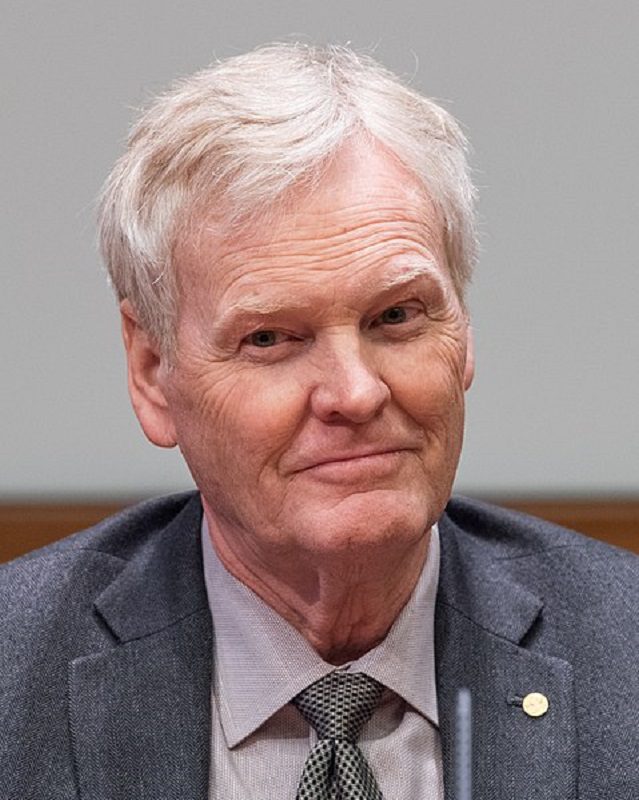
Hall encountered numerous challenges while developing his genetic approach to circadian rhythms, as traditional chronobiologists initially resisted his findings.
Despite skepticism, Hall:
- Successfully identified the neural structures in fruit flies that regulate courtship songs in male Drosophila
- Demonstrated that courtship singing behavior was a precisely quantifiable trait
- Collaborated with Florian von Schilcher in the late 1970s to map the neurological pathways controlling mating songs
His groundbreaking discoveries laid the foundation for understanding biological clocks at the molecular level.
Together with Michael W. Young and Michael Rosbash, Hall:
- Discovered molecular mechanisms controlling circadian rhythms
- Demonstrated how genetic sequences regulate biological clocks
- Unraveled the biological basis of sleep-wake cycles
For these groundbreaking contributions, Hall, Young, and Rosbash were awarded the 2017 Nobel Prize in Physiology or Medicine.
Jeffrey Hall’s research has revolutionized our understanding of biological clocks, influencing fields such as:
- Neuroscience
- Genetics
- Sleep research
- Medicine
His persistence in the face of skepticism, combined with innovative research techniques, established him as a leading figure in chronobiology.