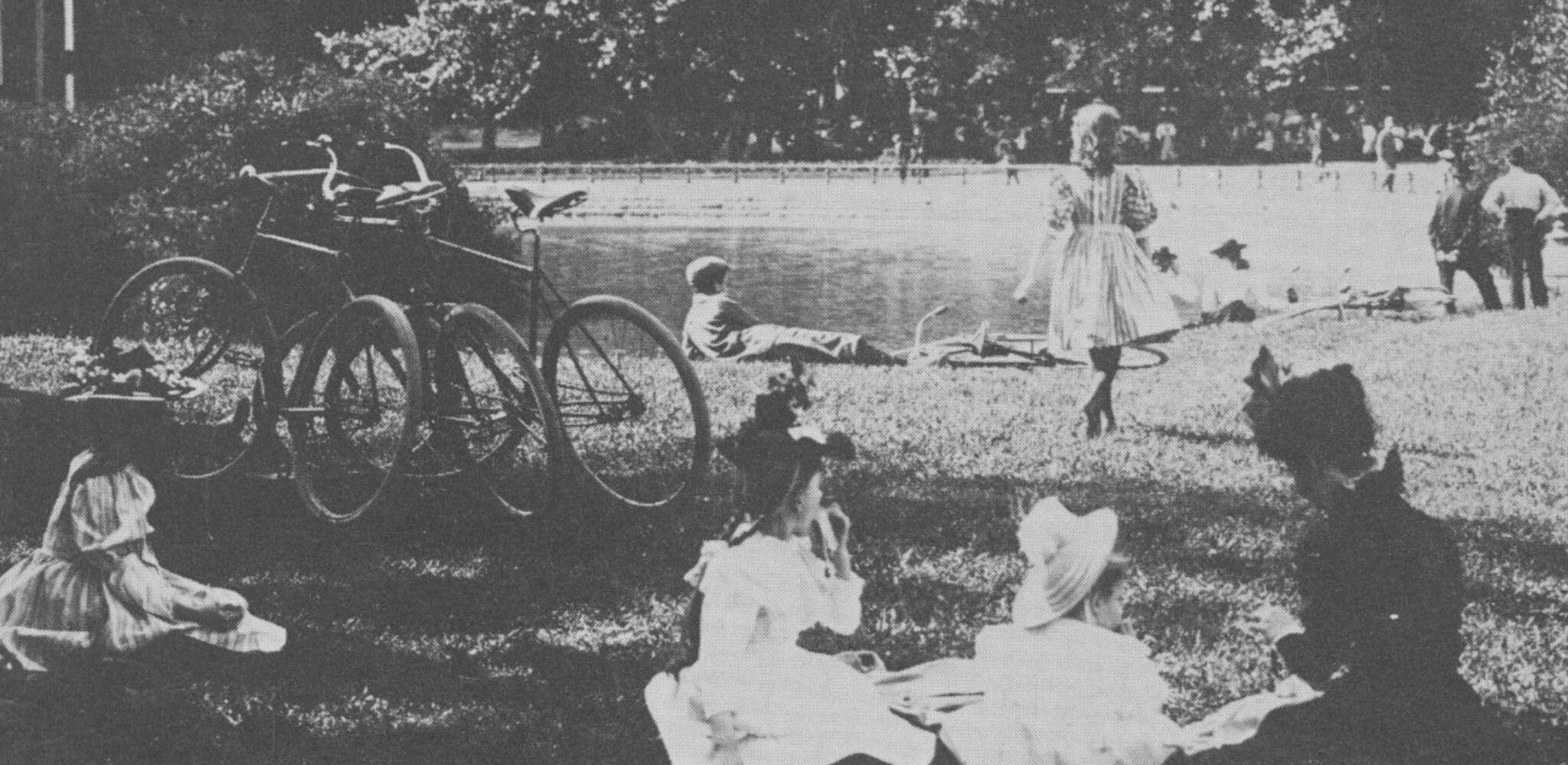

The cycling movement in Brooklyn has a long and fascinating history. Some records suggest that the first officially documented bicycle in the city appeared around Christmas 1868. However, it is certain that Brooklyn’s first bicycle factory opened in 1872, and by the 1890s, cycling had become both a fashionable trend and a practical means of transportation.
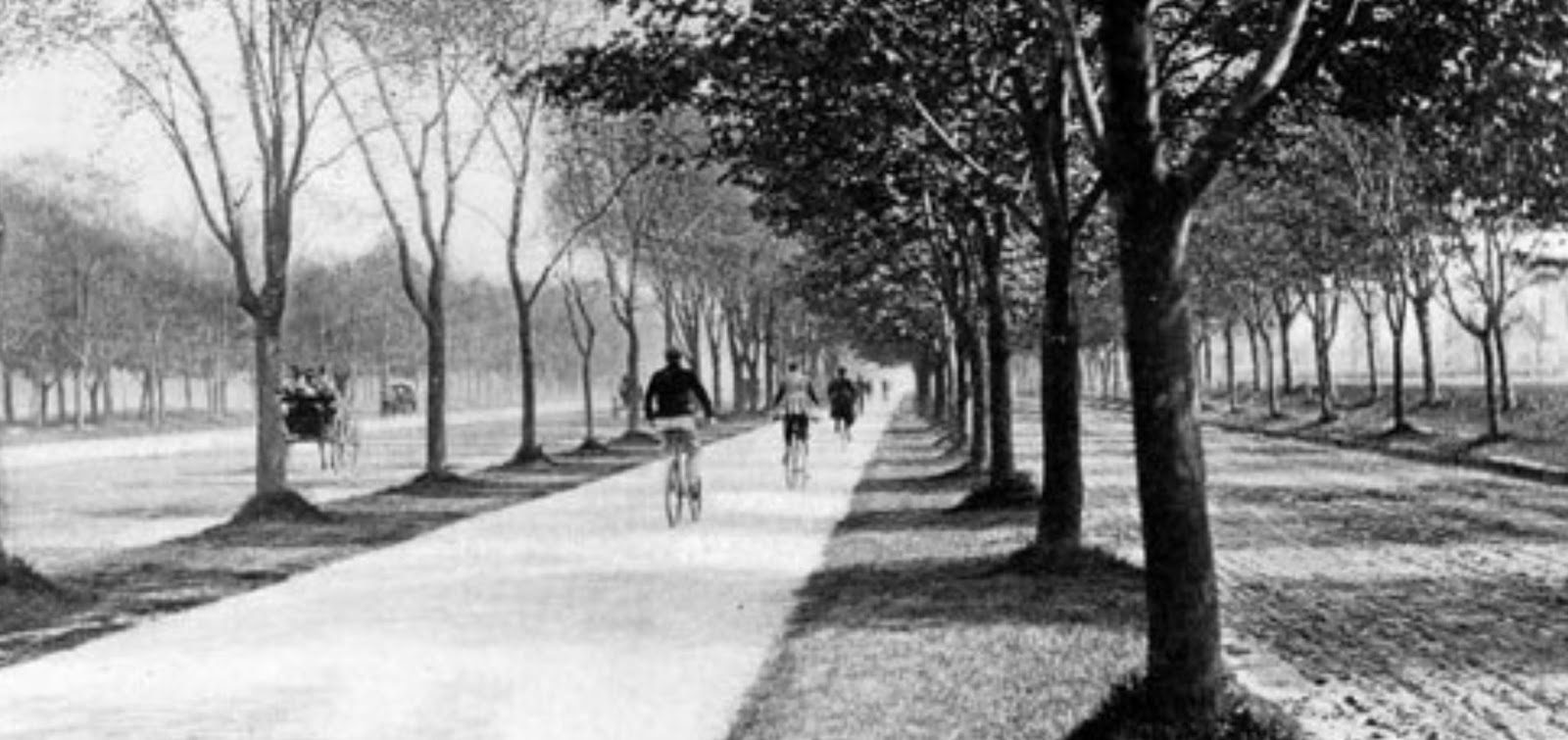
At the time, city streets were paved with cobblestones, making it difficult for cyclists to ride smoothly. This led to the idea of constructing a dedicated bicycle path. According to the Brooklyn Historical Society, the first-ever bicycle path in the United States was built in Brooklyn, running along Ocean Parkway from Prospect Park to Coney Island.
As cycling gained popularity, bicycle clubs emerged across the city, and it became commonplace to see riders on two-wheel bicycles, tricycles, and tandems. More on i-brooklyn.com.
The Rise of Safer Bicycles
The bicycle boom in Brooklyn was not just the result of new cycling infrastructure. Another major factor was the evolution of bicycle design.
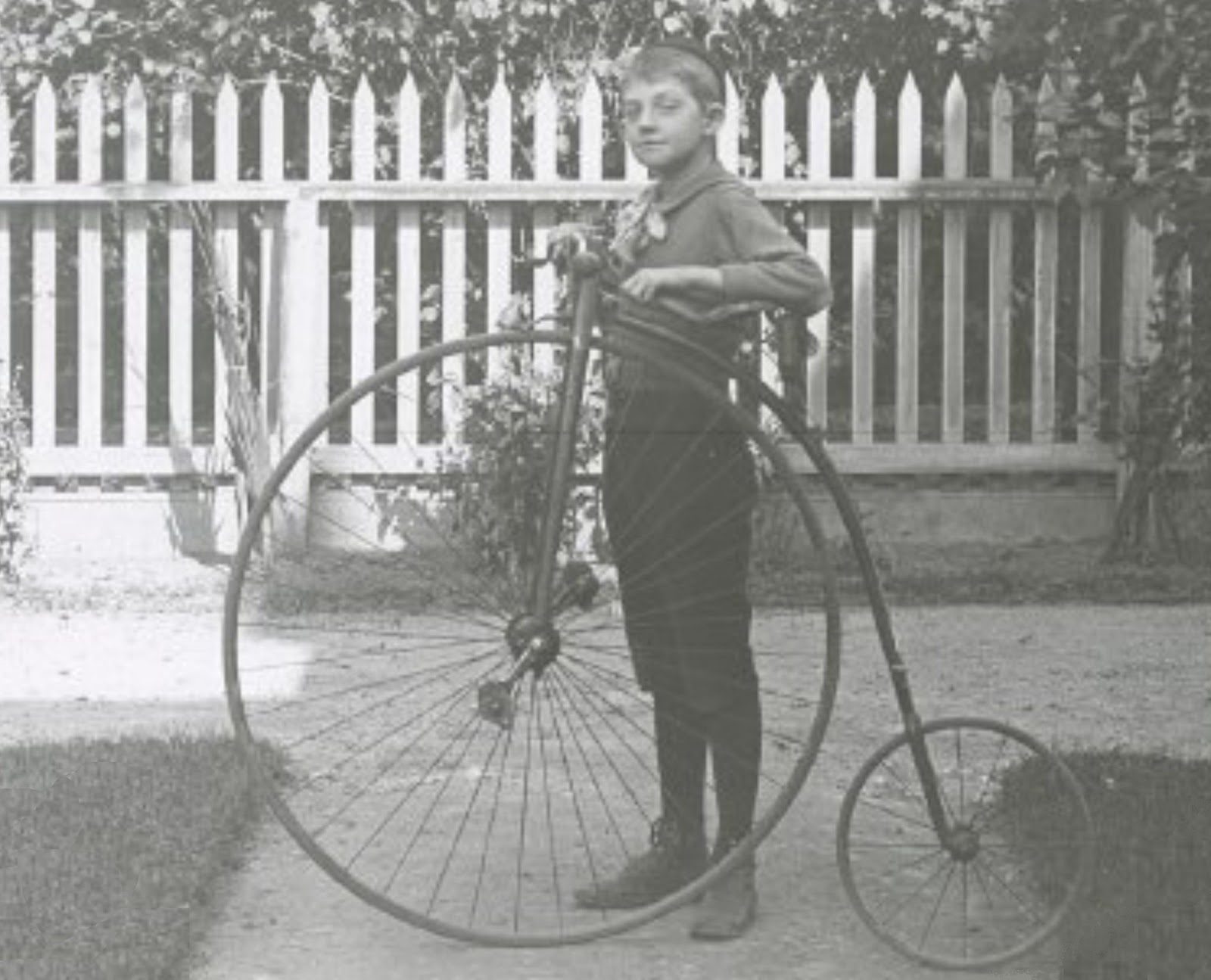
Before 1880, the most common bicycles were penny-farthings, with large front wheels and small rear wheels. While revolutionary, these bicycles were dangerous and impractical for everyday use.
By the 1890s, these cumbersome models were replaced by the modern “safety bicycle”, featuring two equal-sized wheels, a chain drive, and improved handling. This innovation dramatically increased cycling’s accessibility, making it safer and more comfortable for the general public.
As a result, bicycle clubs flourished. Even Brooklyn’s elite took part in this trend. Michael First, an assistant corporation counsel in the 1890s, was a member of the Associated Cycling Clubs of Long Island, an organization consisting of over 20 Brooklyn-based bicycle clubs.
At that time, Brooklyn was home to some of the most dedicated cyclists in the world, with an abundance of cycling infrastructure and supportive legislation. In the early years of the cycling boom, local laws were much more liberal toward cyclists than they would be in later years.
Cyclists—often referred to as “wheelmen” and “wheelwomen”—rode the streets freely for fresh air, leisure, exercise, and transportation.
Cycling for Women – Yes or No?
Despite the growing popularity of cycling, a heated debate emerged about whether women should be allowed to ride bicycles.
Critics argued that cycling threatened moral values, femininity, and proper behaviour, claiming that it could lead to immodest conduct or even “overstimulation”.
On the other hand, progressive doctors advocated for cycling as a treatment for “hysteria” in women. They claimed that the act of cycling could help distract the female mind from troubling thoughts, leading to happier and more balanced emotions.
Some medical professionals even noted that women cyclists appeared more content, relaxed, and healthier than those who didn’t ride.
The debate was so intense that it inspired published works on the topic. One of the most famous was Maria E. Ward’s book “Bicycling for Ladies,” first published in 1896 and reissued in 2021.
Ward enthusiastically championed cycling as a modern, accessible, and diverse form of exercise, unmatched in its physical and mental benefits.
She argued that, for minimal effort, cycling offered enormous advantages, including relaxation, fitness, and independence. Ward also described how bicycles were reshaping economic and social structures, allowing women greater freedom and mobility.
Bicycle-Related Challenges
While cycling in Brooklyn may have seemed idyllic, the bicycle boom also brought traffic chaos and legal disputes.
As more people took to the streets, navigating Brooklyn on a bicycle became a challenge, even for the most careful cyclists. The increase in riders also led to a rise in accidents and legal conflicts.
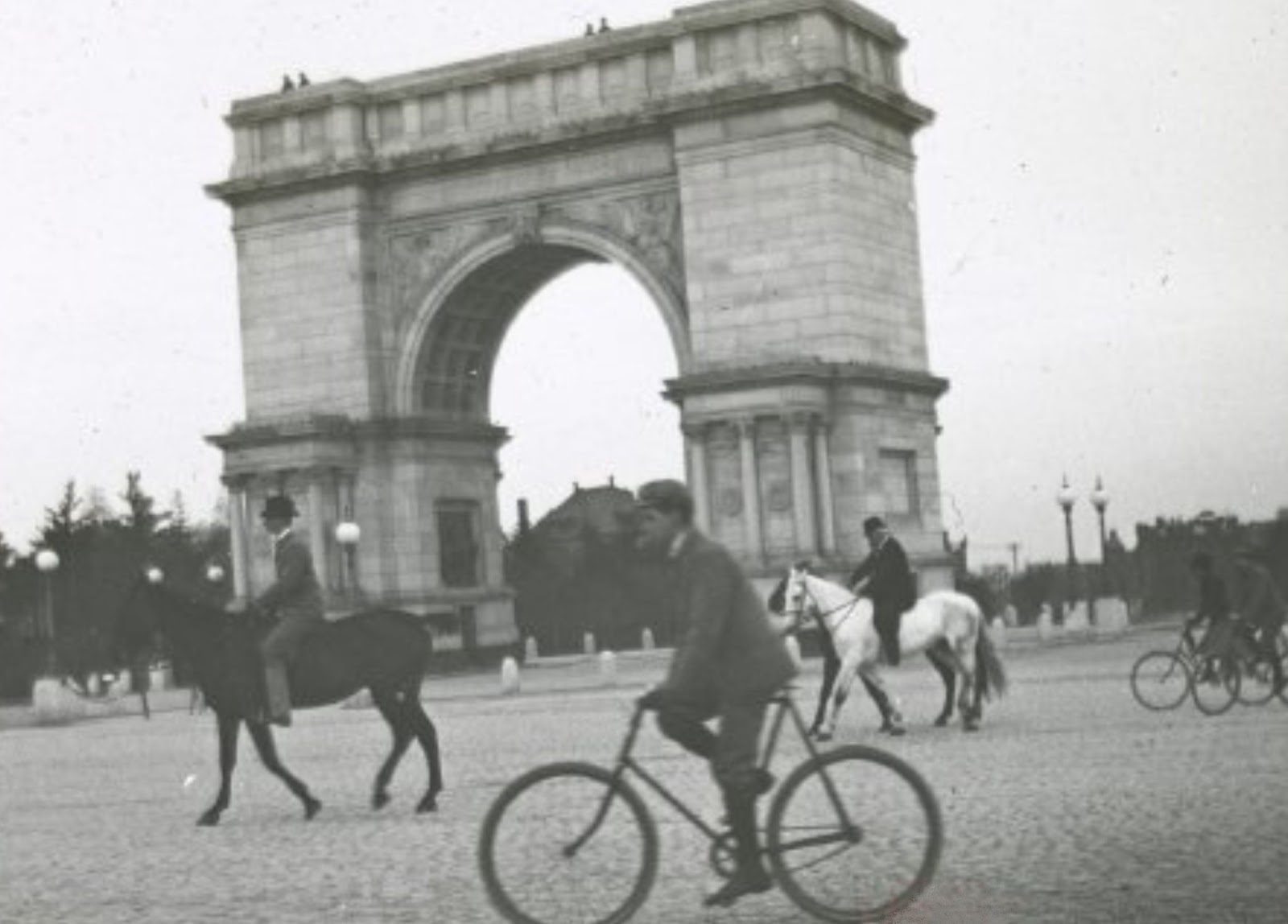
In 1896, Charles N. Howard sued the city of Brooklyn after being knocked down by a cyclist near Grand Army Plaza. Howard injured his knee, while the cyclist fell but was unhurt. After briefly apologizing, the cyclist rode away, leaving Howard to file a lawsuit against the city.
Howard argued that the Brooklyn Parks Commissioner was responsible, as cyclists had been permitted to ride on sidewalks. However, city attorneys countered that municipal authorities were not legally obligated to prevent cycling on sidewalks.
Poor road conditions also caused serious injuries and fatalities.
One tragic case involved Brooklyn physician Louis Hess, who crashed while cycling on Bedford Avenue in Williamsburg. The badly damaged road surface led to his accident, which severely injured his knee and abdomen.
Despite weeks of medical treatment, Hess never fully recovered. A subsequent surgery went wrong, and he died from complications.
His widow later won a $4,500 settlement from the city.
Bicycles: A Timeless Passion
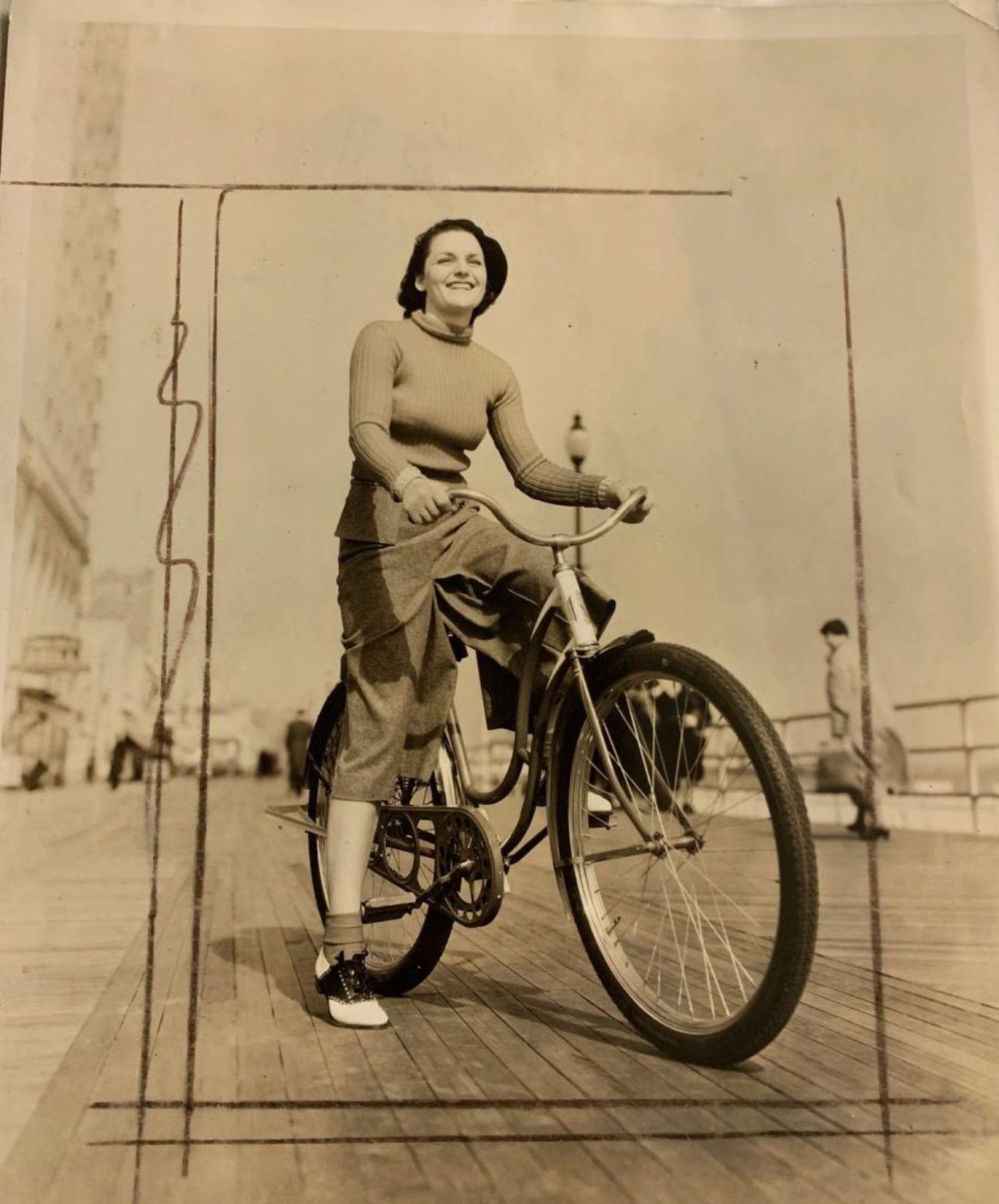
Despite these challenges, cycling remained a beloved activity.
The ability of bicycles to open new worlds remains as powerful today as it was in the Victorian era. Just as 19th-century women in pantaloons embraced cycling as a symbol of freedom, modern Brooklynites have taken cycling culture to a new level.
Today, residents can rent bikes for short or long rides and return them when finished. Cycling is a popular mode of commuting, whether for work, school, or leisure.
With parks, dedicated cycling lanes, and bike-friendly infrastructure, Brooklyn continues to be a hub for passionate cyclists. As the number of bike enthusiasts grows, one thing remains clear:
For Brooklynites, life without a bicycle is simply unimaginable.