
The beginning of the official medical history of Brooklyn can be considered the creation of the Kings County Medical Society. It was meant to unite all the doctors of the county, who were supposed to become its members. It is also impossible to consider the history of Brooklyn medicine without the historical confrontation with Manhattan. It started when both boroughs were independent cities. However, competition often contributes to the growth of quality. What history can do without confrontations and conflicts. Read more about this on i-brooklyn.com.
Kings County Medical Society
In 1806, the New York State Legislature, concerned about the growing number of medical charlatans, adopted An Act to Incorporate Medical Societies, for the Purpose of Regulating the Practice of Physic and Surgery in This State. The law required that all practicing physicians become members of the medical society of the county in which they resided. The Boards of Censors had to examine and license practicing physicians. After the passage of this law, the New York State Medical Society was quickly organized, as well as twenty-one county societies.
However, the physicians of Kings County had true Dutch conservatism. Following the old Dutch proverb that ‘haste makes waste’, they considered the organization of a medical society only 16 years later. In 1822, the local physicians met at the house of Dr. Vanderveer of Flatbush to discuss the advisability of forming a county medical society.
The first meeting consisted mainly of informal discussion. A committee was formed at which Drs. Wendell, DuBois and Vanderveer were appointed to draft a constitution. At the second meeting, held in a tavern in Brooklyn, the Kings County Medical Society was formally organized, its constitution was adopted and the president, secretary and delegates to the State Medical Society were elected. Thus, March 2, 1822, can be considered the official date of the formation of the Kings County Medical Society, which received its charter and became the organization that legitimized the activities of the physicians of the county and the city of Brooklyn. It was so until it became part of New York, turning into a borough.
Teaching hospitals
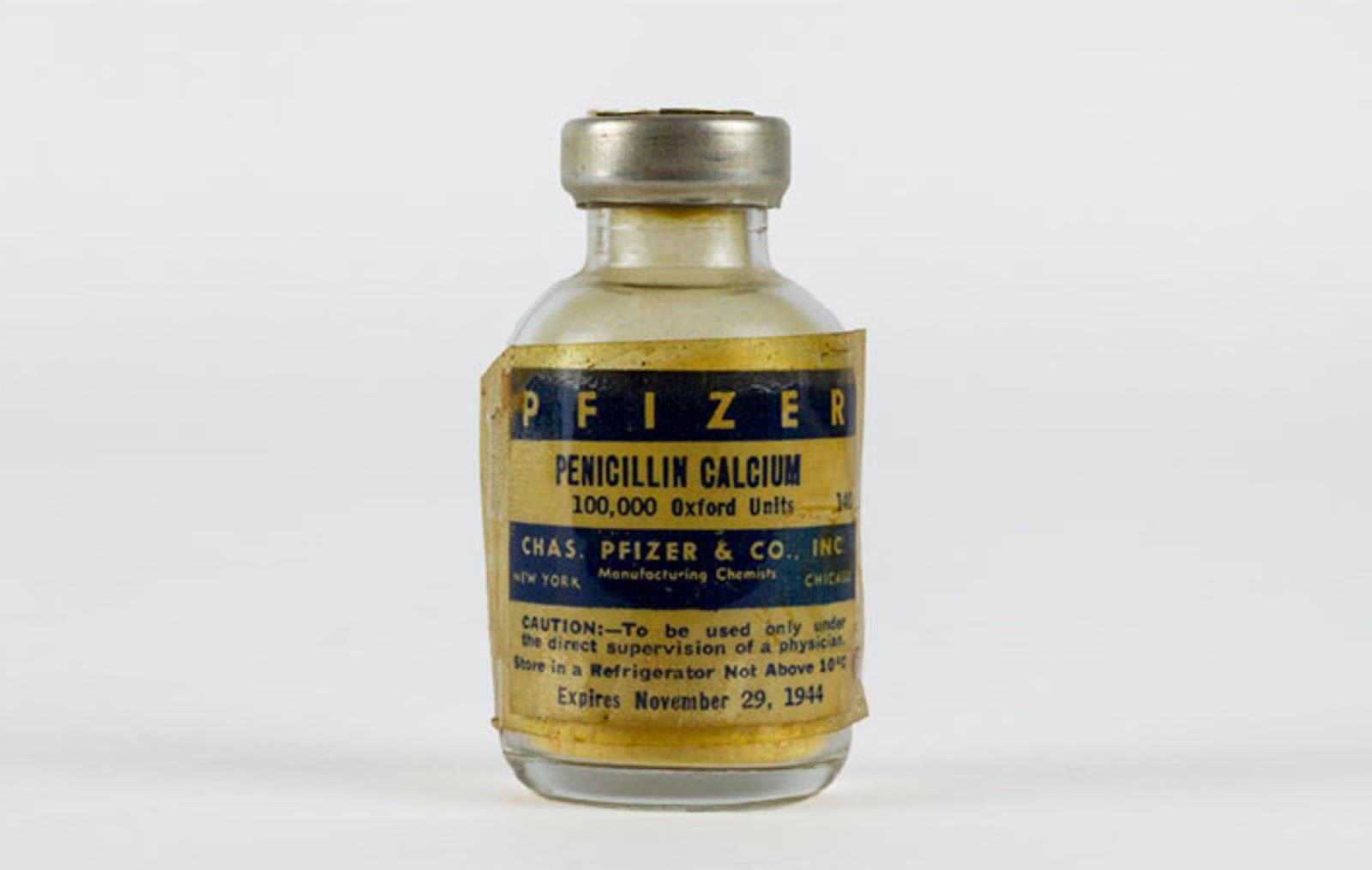
Any historical excursion would be incomplete if it did not touch on the issues of innovations and inventions that were carried out in one area or another. The medical field is no exception. It should be noted that Brooklyn has made a significant contribution to the development of the medical industry. By the mid-19th century, Brooklyn had long been an industrial center and attracted important innovators and businesses. This also affected the medical and pharmaceutical industry. Some multinational pharmaceutical companies, such as Bristol-Myers Squibb and Pfizer, began their activities here. In the 1860s, Edward R. Squibb developed the first commercial form of ether in his factory in Brooklyn, choosing not to patent the process and encouraging others to use it.
This innovative anesthesia made painful and gruesome operations easier for hundreds of thousands of soldiers during the Civil War. Pfizer also has its origins in Brooklyn in the 19th century. Although it was one of the first companies to mass-produce pharmaceuticals, it played a particularly important role during World War II. It was the first company to mass-produce penicillin, which was urgently needed during the war.
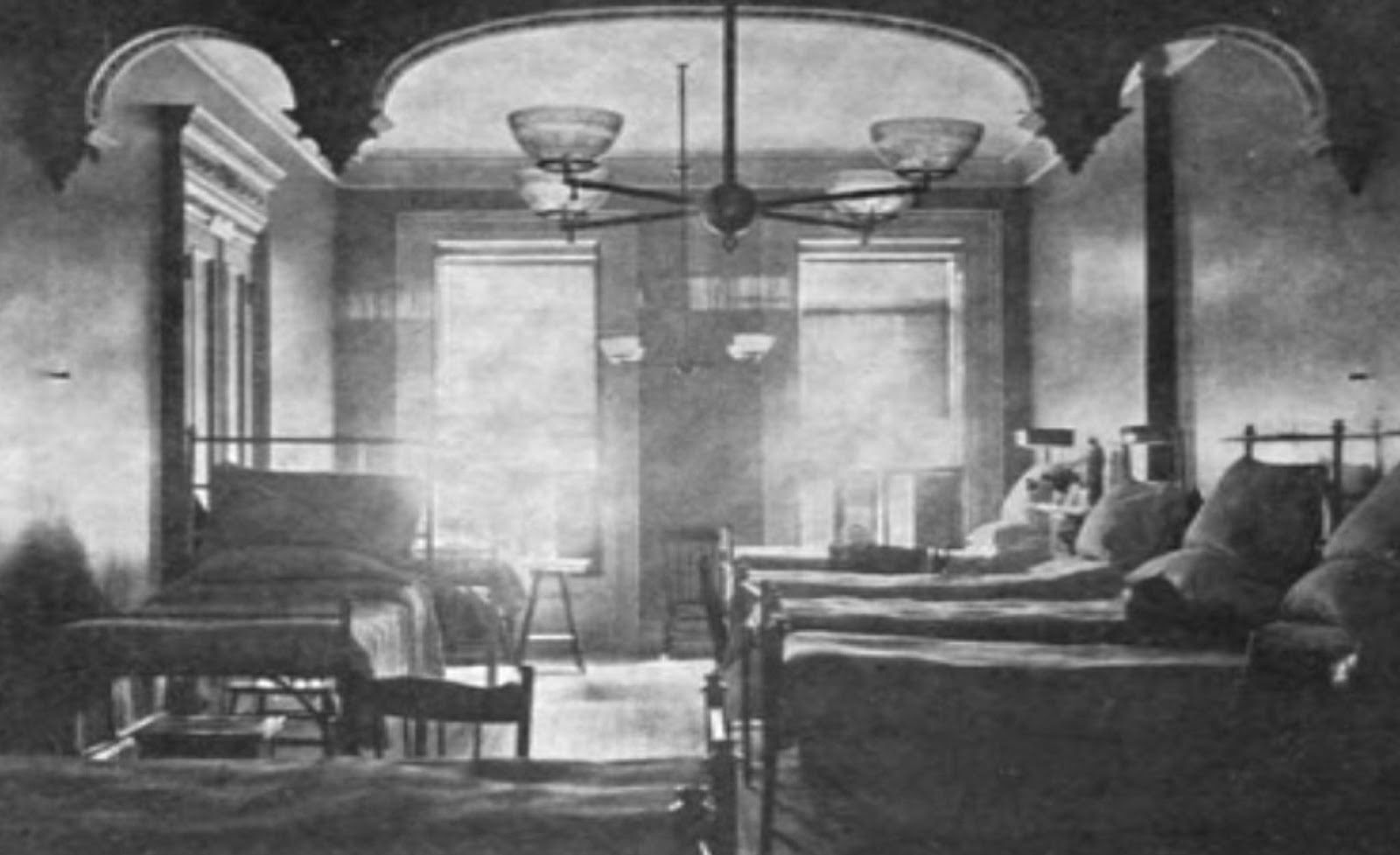
Brooklyn’s medical institutions also helped to promote medical innovation. Thus, Long Island Hospital was one of the first in the United States to introduce bedside teaching and to use autopsy in its anatomy curriculum. In 1888, the hospital also established the first bacteriology laboratory. It seems perfectly logical now that medical schools would partner with hospitals so that medical students could practice on patients. However, in the 1850s, it was a radical idea.
While some European medical practices, especially in Paris and Vienna, had begun to experiment with teaching hospitals, US medical students still learned while interning with established physicians. University Hospital of Brooklyn at Long Island College excelled, combining a required series of medical lectures with practice at a nearby hospital. It became the first American teaching hospital.
Brooklyn anti-vaxxers of the 19th century
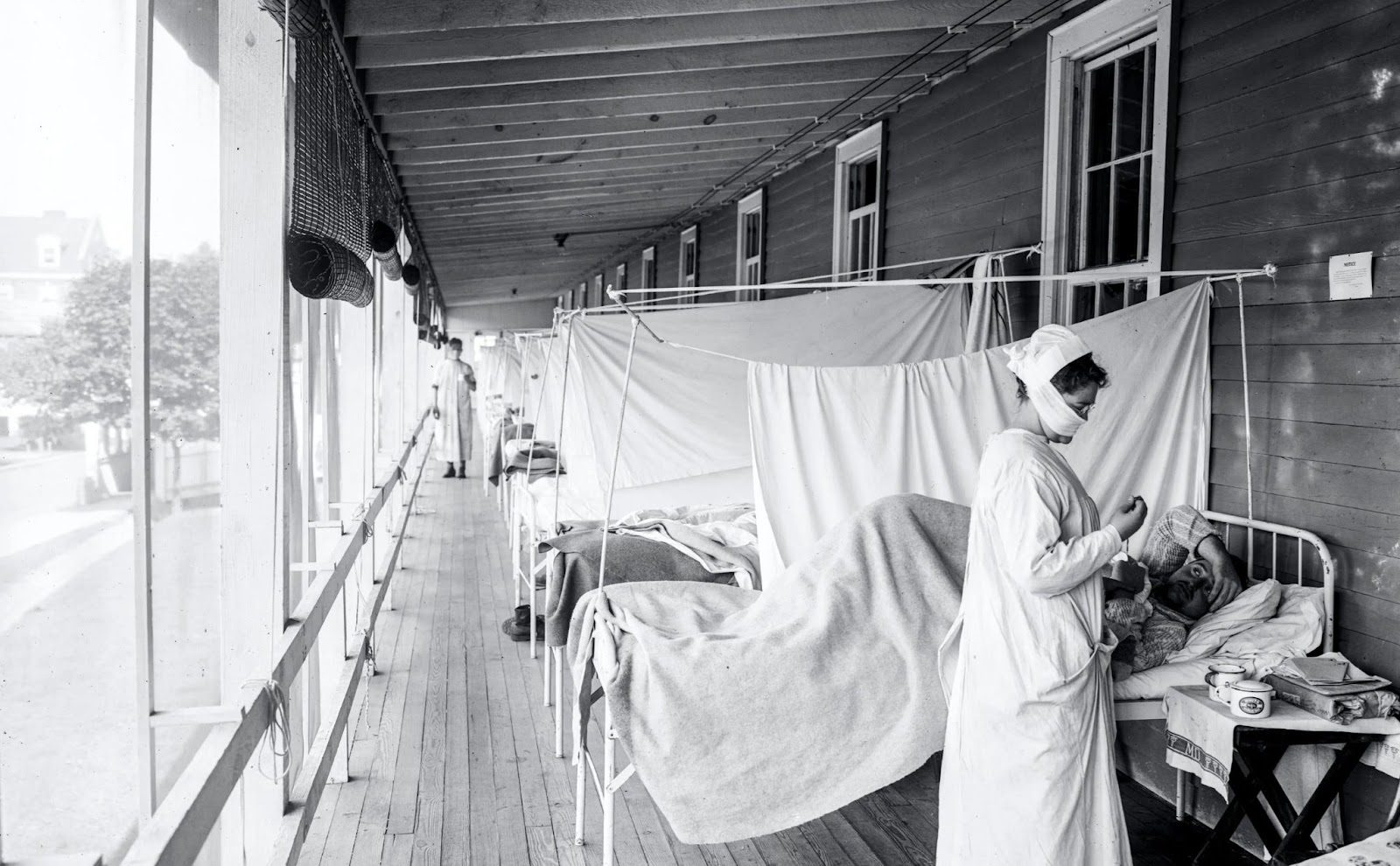
The development of medicine in Brooklyn in the 19th century was also marked by two global conflicts. These were the debates over the role of government in health care and the struggle for justice in this area. As health care developed, the government increasingly intervened in the daily lives of Brooklyn residents. Sometimes, they resisted it. One of the most striking examples of such confrontations was the fierce debate over smallpox vaccination in the 1890s. At the height of the epidemic, the Brooklyn Board of Health persistently tracked cases of the disease, inspected and disinfected people’s homes, isolated and vaccinated them.
During this epidemic, the law was changed to require that all schoolchildren be vaccinated against smallpox. A small but vocal group of Brooklynites began organizing an anti-vaccination movement in the city. It gained momentum across the country as other cities grappled with the balance between individual freedoms and public health. Another major conflict was the fight for justice in healthcare. There are many stories of Brooklynites fighting for equitable access to hospitals, medical education and being heard by those in power.
There is a long history of black activists in Brooklyn fighting racism in the borough’s institutions and providing assistance to black communities when no one else would. It’s a thread running through a number of different stories, such as doctors who challenged the color line in schools and hospitals, Brooklyn’s only black community battling tuberculosis and the lead poisoning campaigns of the 1960s and 1970s. In consulting with current health professionals and studying contemporary public opinion, it also emerged as an issue that many Brooklynites still struggle with.
Brooklyn vs Manhattan
Much of 19th-century New York history, especially the history of health and medicine, has been centered in Manhattan. After Long Island College Hospital opened, the institution’s founders hoped that Manhattan’s status as the borough’s only modern city would be challenged. In 1857, Brooklyn was still an independent city. Its founders felt the competitiveness. The Brooklyn-Manhattan rivalry was ongoing.
Moreover, the gentlemen who organized the medical institution were all financial tycoons, like financier Daniel Chauncey and railroad magnate and future state senator Samuel Sloan. All of them counted on the Medical College to put Brooklyn firmly on the map, bringing a reputation for scientific innovation to the rapidly growing western part of Long Island. They were right. Despite the financial difficulties, its reputation spread beyond Brooklyn, as evidenced by the fact that the US government sent soldiers wounded in the Spanish-American War to be treated here.