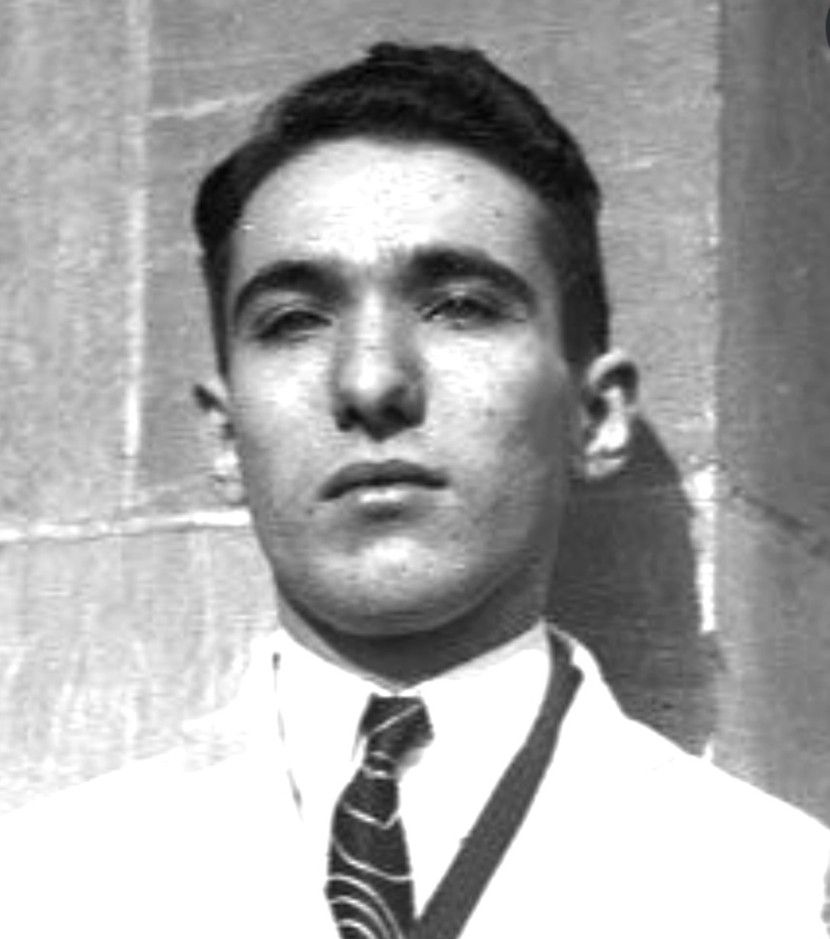

Scientists study all areas of human life. Psychiatrists and psychologists have tried to understand whether dreams contain any information. Neurophysiologists study the process of sleep. Eugene Aserinsky is one of the leading scientists in this field, and a pioneer in the study of REM sleep. Read more on i-brooklyn.
Poverty for lunch
Eugene was born in 1921 in Brooklyn. His father Boris Aserinsky came to America from Samara when he was 20 years old. He was able to study to become a dentist and had his own doctoral practice. But his passion for gambling ruined everything. The future scientist grew up in poverty, although his paternal grandfather was a wealthy book publisher in Samara. When Eugene was 12, his mother died. From childhood, he knew English, Russian and Yiddish.
He received his undergraduate education at Brooklyn College and then at the University of Maryland. Eugene tried to master the medical program but did not succeed. Before the Second World War, he worked at various jobs. He was an accountant and a social worker. During the war, he went to the front, even though he was blind in one eye.
As a student at the University of Chicago in 1950, he chose sleep as his future field of study. He began working with Nathaniel Kleitman, one of the leading scientists in the country at the time.
Research period
Eugene’s life was complicated. Nothing came easy to him. His first research was the blinking system of babies as they fall asleep. It didn’t yield any great results. He spent several months on a useless study, while his family needed money.
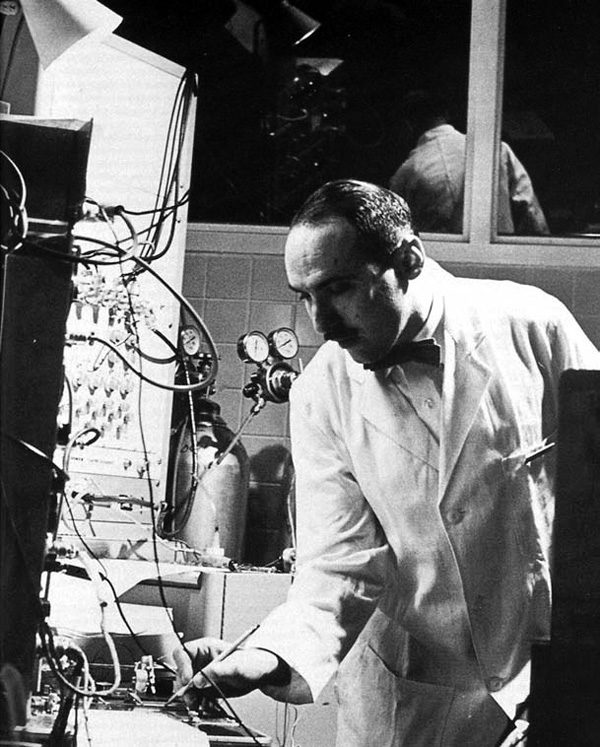
At that time, he already had two children. In addition, his wife suffered from bipolar disorder. They lived in poverty in a small army barracks. There was not even enough money to buy food. But Eugene did not give up science because of this. He had to steal potatoes from the store to feed his family.
After infants, he began studying sleep in older children and adults. But he encountered a new problem. Babies didn’t care if the lights were on or if someone was at their bedside. Adults were opposed to outside observers while they slept. So, he thought about creating a device that would record sleep phases and cycles. At first, he used a detector. He recorded the work of the eye muscles. But the device he had at the university was faulty. In fact, it was just a model assembled for a dissertation. Aserinsky was able to fix and adjust it. He even brought his eldest son to calibrate the device.
Eugene was not immediately able to interpret the results of the device. What he initially thought was a breakdown turned out to be a discovery. He managed to determine the moments when a person begins to dream. At the time, people were skeptical of his discovery.
Great discovery and oblivion
Recognition from the scientific world did not come to Aserinsky immediately. In 1953, he published an article co-authored with a colleague in the journal Science. The material of the article dramatically changed the scientific world and scientists’ understanding of the brain during sleep. The concept of sleep physiology began with that article. Scientists believed that the brain “turns off” during sleep. However, Aserinsky proved the opposite. He was able to convince the scientific world that the human brain never stops working, even during sleep.
The scientific world believed that a team of scientists was behind this discovery. But Aserinsky refuted this idea. He emphasized that he had been working on the study of sleep phases on his own for 25 years.
Even his degree did not help him improve his financial situation. Aserinsky traveled around the country from institute to institute studying the electrical activity of the brain.
In 1957, his wife committed suicide. His eldest son was worried about his father’s nomadic life. He begged him to return to the study of somnology, which was gaining momentum. Despite the fact that Eugene Aserinsky can be considered the father of all somnology, few scientists in this field remember him. In 1963, a congress of somnologists was held in New York. They did not recognize Aserinsky.
He went on to study sleep physiology at the Institute of Pennsylvania Hospital and Jefferson Medical College. Then he headed a university in West Virginia. His work became fundamental in shaping the very concept of sleep. But, whether due to the vagaries of fate or his difficult character, Eugene Aserinsky remained unrecognized by his colleagues.
Shortly before Aserinsky’s death, a piece of recognition did return to him, partly thanks to his daughter Jill. Eugene Aserinsky died at the age of 77 in a car accident. He fell asleep at the wheel.