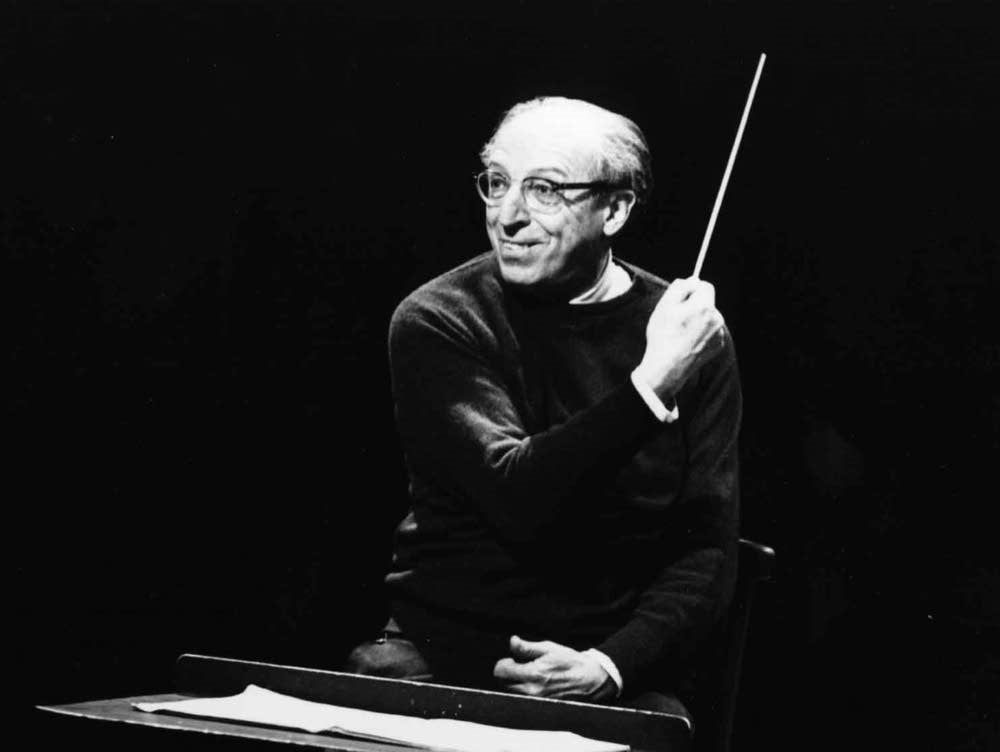

Harris M. Kaplan was brought up in Lithuania. He remained in Scotland for quite a few years before settling in the U.S. There, he modified his name from Kaplan to Copland. The man did not seem to care much about music. But his wife, S. Mittenthal, was an active musician in her own right. Their son, Aaron Copland, was born and brought up on Washington Avenue, Brooklyn. The boy was the family’s fifth child. It was a strict Jewish household. His contemporaries and critics labeled him the “dean of American composers”. Read more about the creative fate and life of the eminent American composer, writer, teacher, critic and subsequently conductor of his original and varied American music on i-brooklyn.
Early acquaintance with music
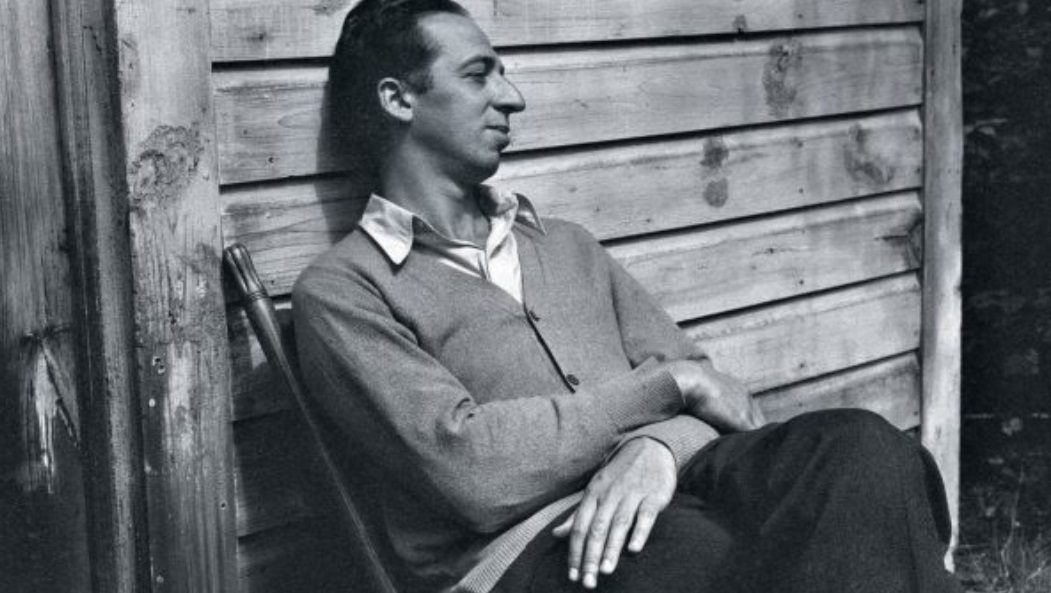
Aaron and his older brother Ralph were close-knit. Yet, he was attached to his sister Laurine. She provided him with his earliest piano tutelage. His parents were devout members of the Congregation Baith Israel Anshei Emes. He evinced his musical exposure at Jewish weddings, functions and sporadic family musicals. Aaron had been a songwriter since he was eight years old. His very first piece of music was Zenatello opera script. He had four years of piano instruction with L. Wolfsohn. A Wanamaker recital was Copland’s first public appearance.
In 1915, Aaron enjoyed a Polish pianist-composer I. Paderewski’s concert. The young Copland, like innumerable young people around the globe, was mesmerized. He opted to begin composing and enrolled in part-time music courses. He strived to enhance his musical training and thus commenced individual theory and composition tutoring from Rubin Goldmark.
Learning to compose
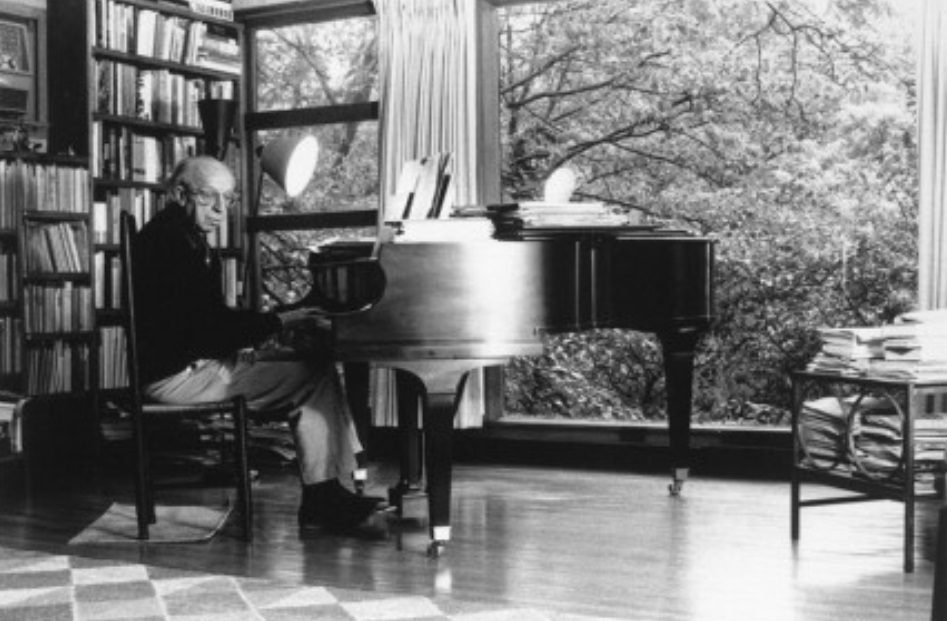
R. Goldmark was the grandson of a Hungarian cantor and nephew of the distinctive Viennese composer K. Goldmark. The man was A. Dvořák’s student at the National Conservatory in New York. R. Goldmark came to be regarded as one of the most prominent in teaching composition in New York. Copland had high regard for Goldmark, although the sophisticated musical idioms of that era never evoked an affinity in him. R. Strauss closed his list of acknowledged composers. Still, Copland acquired a firm musical base. He later would write that it was pure bliss for him. Copland was unscathed by what numerous musicians encountered. Specifically, he did not obtain inept teaching.
The Piano Sonata in three movements in G major was Copland’s graduation work for Goldmark. In the style of the Great Romanticism, a command of traditional form and harmony is evinced by the composition.
Study in Paris
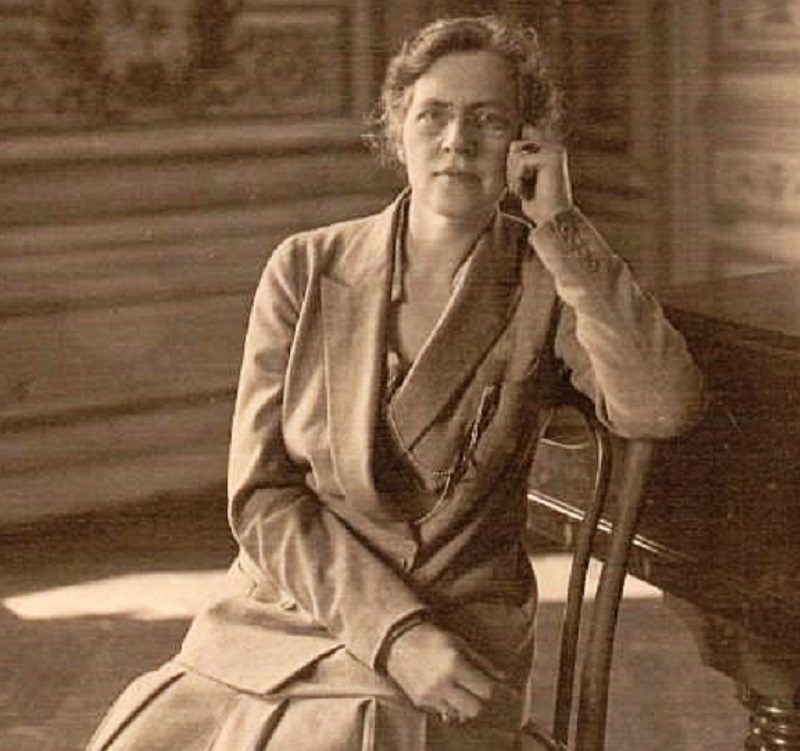
Copland keenly observed the newest European musical styles. Hence, he would pack his bags and sail to Paris to immerse himself in composition at the Palais de Fontainebleau. The famed pianist I. Philipp gave him the instruction. Thereafter, the legendary N. Boulanger advised Copland on composition. To be frank, A. Copland wasn’t exactly eager to be mentored by a woman. Yet, he immediately discerned that this musical visionary was well versed in all the music from Bach to Stravinsky. Regarding dissonance, she was braced for the unexpected. He remarked that her compositional criticism was impeccable and that her discerning mind resonated with him. Boulanger had up to 40 students at a time. She employed a rigid system that Copland had to abide by. The composer subsequently conceded that this encounter was pivotal in his musical path.